
Thai Ministry Promotes Eco-Friendly Loy Krathong Materials to Boost Local Economy
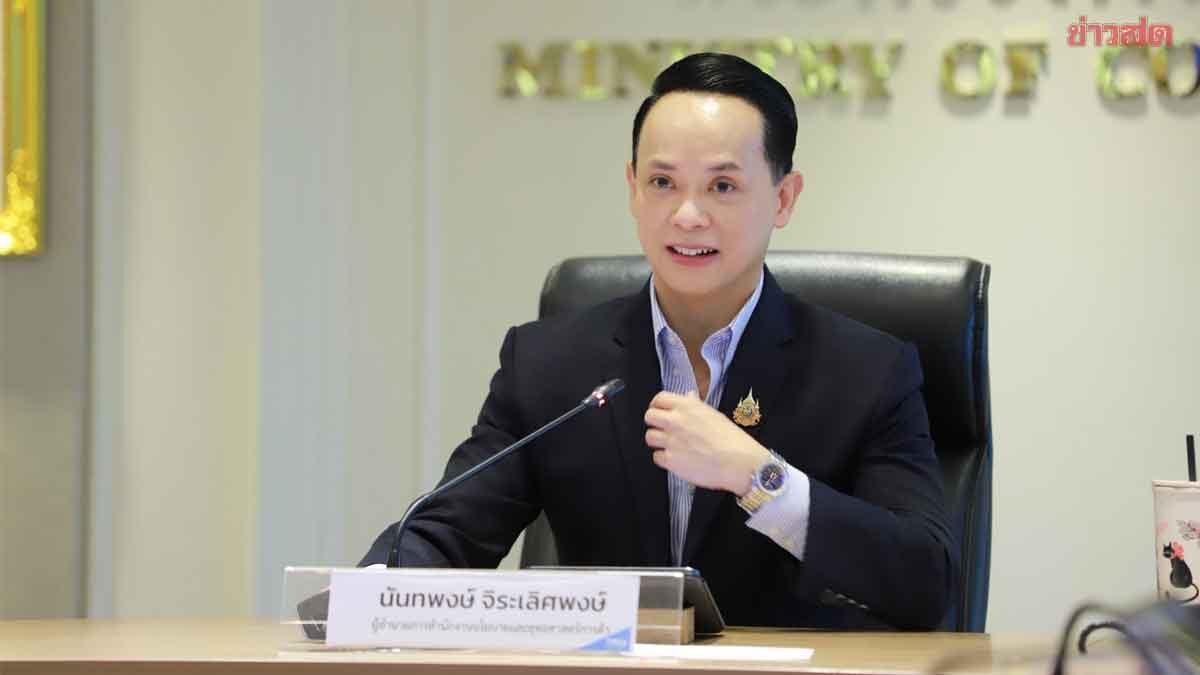
The Trade Policy and Strategy Office encourages the use of betel nut husks and corn husks for Loy Krathong to reduce waste management costs and support community economies.
The Trade Policy and Strategy Office (TPSO) under the Ministry of Commerce has launched an initiative to promote the use of eco-friendly materials, such as betel nut husks and corn husks, for the upcoming Loy Krathong festival. According to TPSO Director Nantapong Jiralertpong, the festival is a significant economic driver, with the University of the Thai Chamber of Commerce estimating spending at approximately 9.6 billion baht for 2025, following 10.3 billion baht in 2024.
While the festival generates substantial revenue, it also incurs hidden costs related to waste management and environmental impact. The TPSO highlights that natural materials like banana leaves and flowers often see price fluctuations due to seasonal demand, creating inventory management challenges for vendors. By shifting toward more durable natural alternatives, the government aims to lower waste disposal costs while maintaining economic circulation within local communities.
For residents and travelers, this shift may influence the availability and pricing of traditional krathongs. While the initiative focuses on sustainability, the long-term impact on market prices for various krathong types remains to be seen. The TPSO continues to advocate for four sustainable guidelines to balance environmental responsibility with the festival's economic benefits. Further details on specific community-led initiatives are expected as the festival approaches.
