
Environmental Legacy: The Long-Term Recovery of Klity Creek
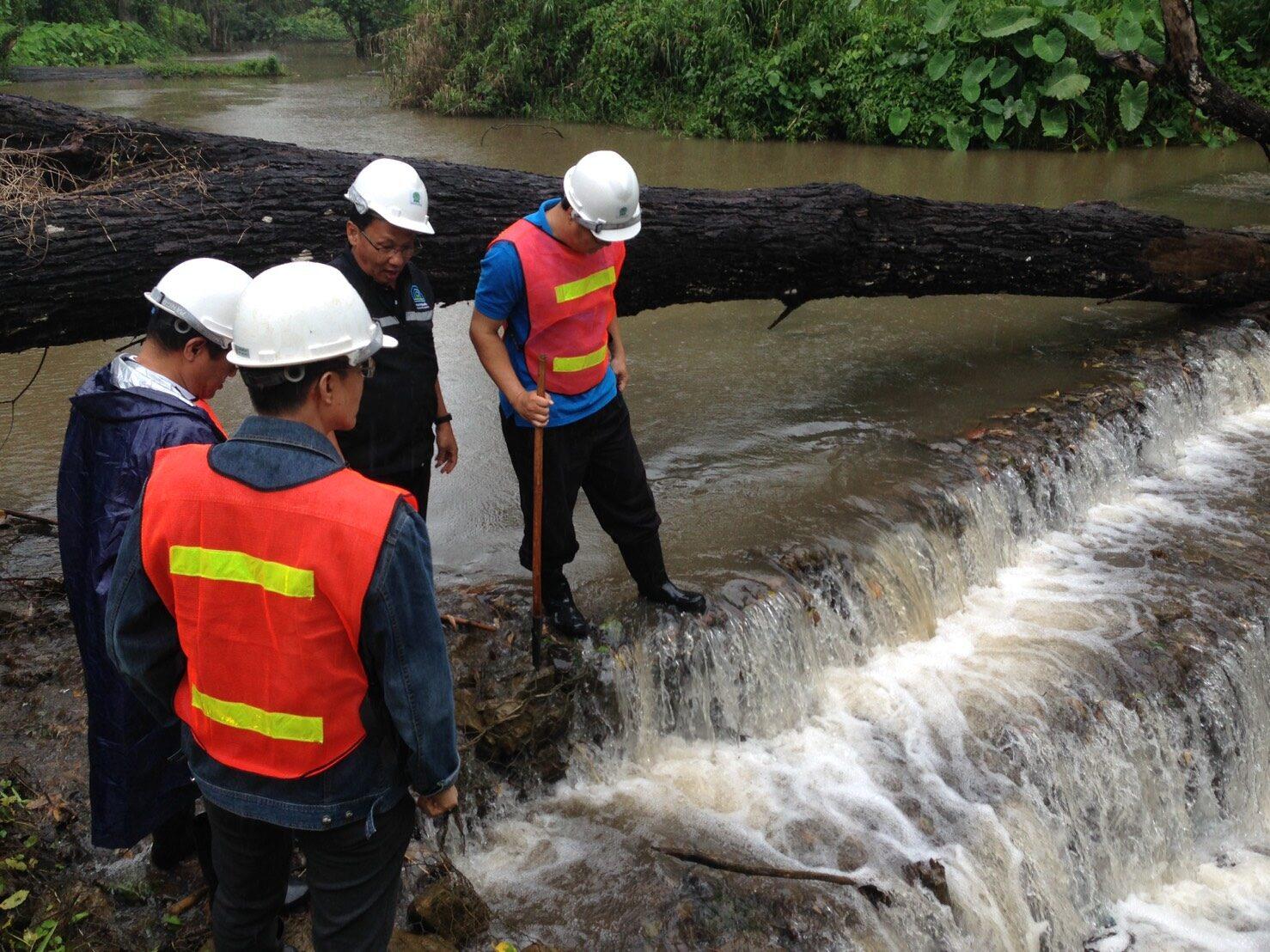
A report from Prachachat Business highlights the enduring environmental impact of lead contamination in Klity Creek, Kanchanaburi, estimating a 377-year recovery period.
Environmental Concerns in Kanchanaburi
A recent report by Prachachat Business has drawn attention to the persistent environmental challenges facing Thailand, specifically regarding the contamination of water sources and soil by mining activities. The report uses the historical case of Klity Creek in Kanchanaburi province as a primary example of long-term ecological damage.
The Klity Creek Case
Decades after lead contamination from local mining operations first affected the area, the creek remains a site of significant concern. Experts estimate that the pollutants settled in the sediment will continue to pose risks to local flora, fauna, and human populations for approximately 377 years. This serves as a stark reminder of the potential consequences of industrial waste mismanagement.
Impact and Considerations
For residents and visitors, this situation underscores the importance of environmental awareness when traveling to or living near former mining regions. While the area is not a primary tourist destination, the report highlights broader concerns regarding the safety of water and soil in areas affected by gold and rare-earth mining.
What Remains to be Confirmed
While the 377-year estimate provides a sobering perspective on the timeline for natural recovery, the specific current levels of toxicity in various segments of the creek and the effectiveness of ongoing remediation efforts remain subjects of continuous monitoring by environmental authorities. Travelers are advised to stay informed through official government health and environmental advisories.
