
Thailand Highlights Role of Coastal Ecosystems in Climate Action
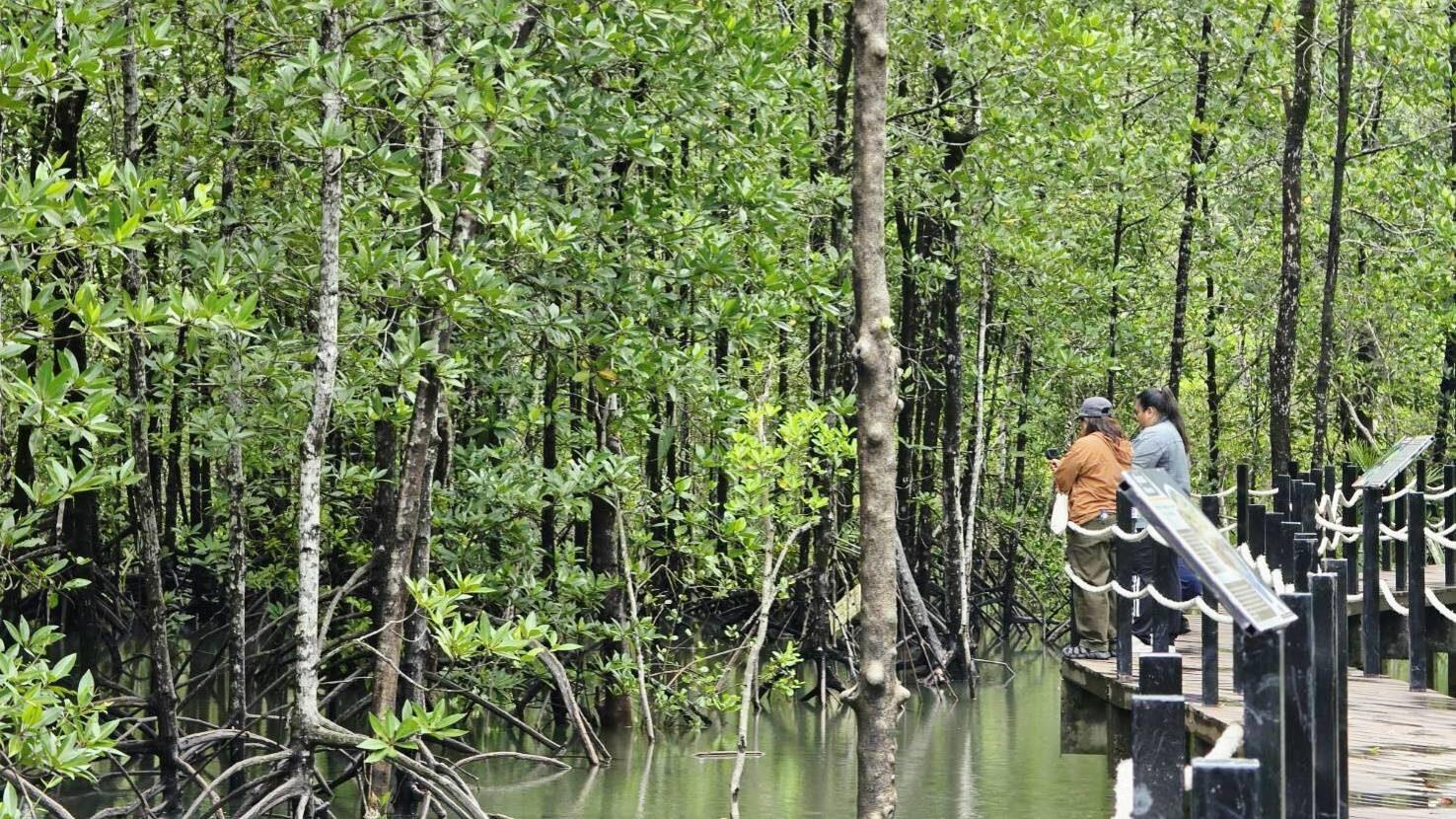
Thai authorities and experts are emphasizing the importance of 'Blue Carbon' ecosystems, such as mangroves and seagrass, in mitigating global warming.
According to a report by Khaosod Online, the Department of Marine and Coastal Resources (DMCR) is prioritizing the conservation and restoration of coastal ecosystems to combat climate change. Prof. Dr. Anchana Prathep from Prince of Songkla University highlights that Thailand's mangroves and seagrass beds serve as vital carbon sinks. Recent data indicates that Thailand possesses approximately 1.7 million rai of mangrove forests and 160,000 rai of seagrass. These ecosystems are highly efficient at absorbing carbon dioxide through photosynthesis and storing it in biomass and soil. Experts note that marine ecosystems can sequester carbon up to four times more effectively than terrestrial forests, with the potential to store carbon underground for centuries if the habitats remain undisturbed. For residents and visitors, these coastal areas are not only essential for biodiversity and storm protection but are now recognized as critical assets in the global effort to reduce atmospheric carbon. While the ecological benefits are clear, the long-term success of these conservation efforts depends on continued protection against habitat destruction. Further updates regarding specific government-led restoration projects or potential impacts on coastal tourism access remain to be confirmed.
