
Thailand to Tighten Regulations on Mineral Imports to Curb Transboundary Pollution
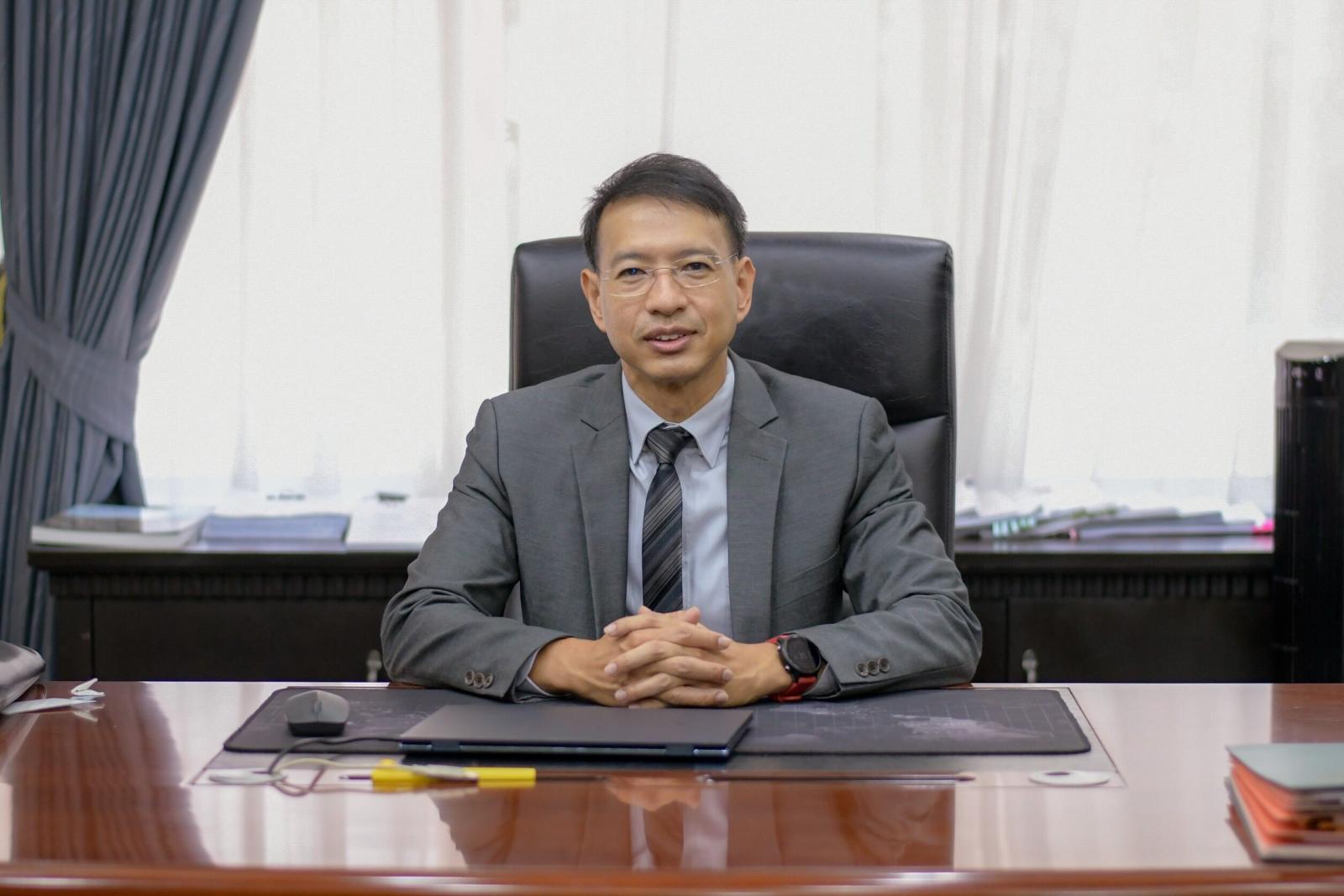
The Department of Primary Industries and Mines (DPIM) is drafting new regulations to monitor the import of five specific minerals to address environmental and economic concerns.
The Department of Primary Industries and Mines (DPIM) in Thailand is preparing to implement stricter controls on the import of five key minerals: antimony, lead, copper, gold, and rare earth elements. According to DPIM Director-General Aditat Vasinonta, the proposed ministerial regulation aims to update existing 2017 and 2019 guidelines to better manage economic security, environmental protection, and public safety. The new rules are expected to take effect by early 2027.
Under the proposed framework, importers will be required to provide precise mining coordinates, certificates of origin, and official documentation verifying the identity of concession owners. This measure is designed to enable the DPIM to trace the source of minerals and ensure that imported materials do not originate from operations causing transboundary pollution. The initiative follows a significant increase in the import of antimony, lead, and copper from neighboring countries over the past few years.
For residents and travelers, this policy shift reflects Thailand's broader effort to mitigate environmental risks associated with industrial supply chains. While the regulation focuses on industrial oversight, it highlights the government's intent to prevent the country from becoming a transit point for minerals linked to ecological damage. Further details regarding the specific enforcement mechanisms and the final approval of the ministerial announcement remain to be confirmed as the drafting process continues.
