
KCLIMATE 1.5 Offers Strategies for Carbon Reduction and Energy Cost Savings
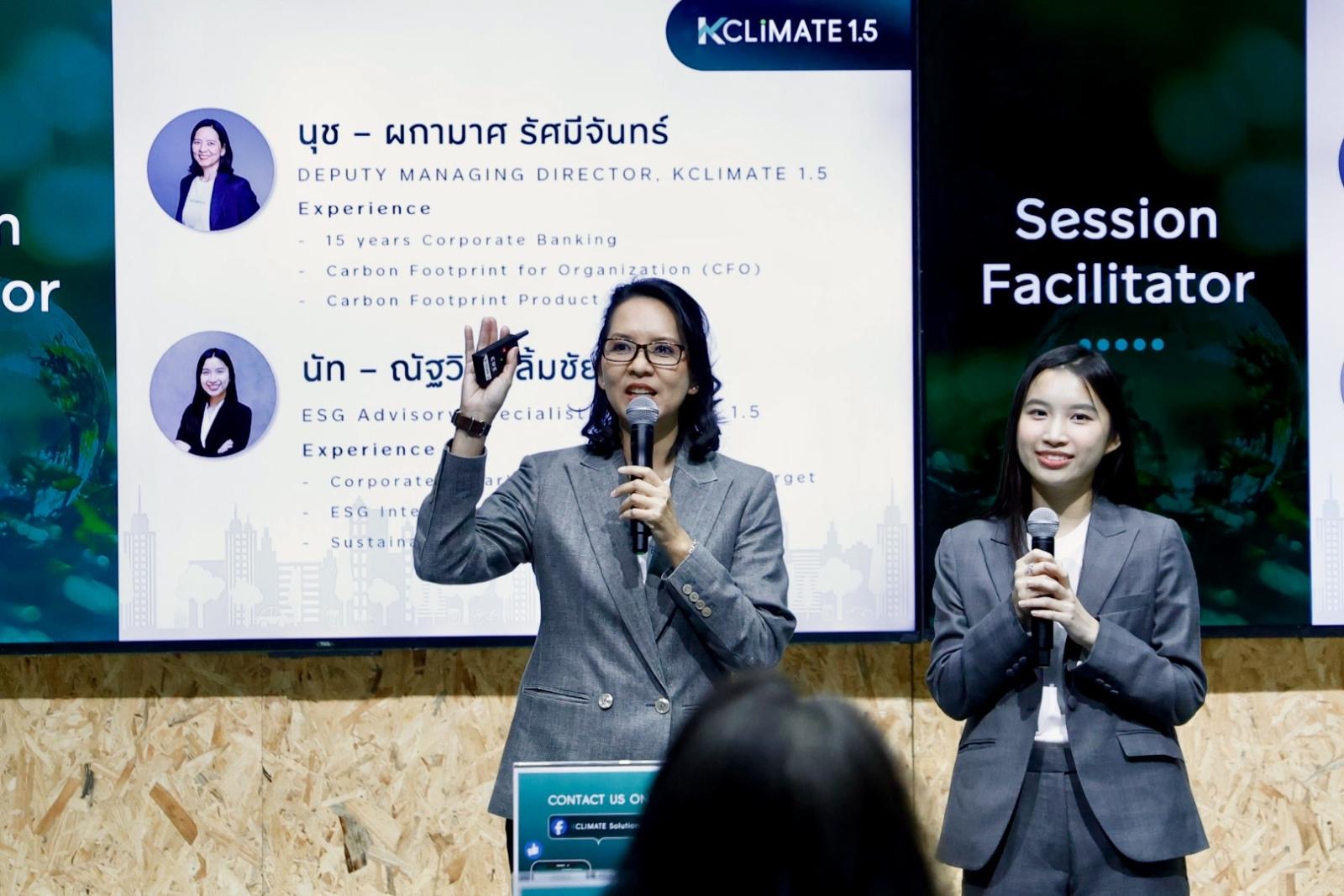
At the SX2026 event, KCLIMATE 1.5 introduced methods for businesses to leverage carbon footprint data to optimize energy costs and meet international trade requirements.
During the SX2026 event, the KCLIMATE 1.5 initiative presented a framework for businesses to manage carbon emissions effectively. The strategy emphasizes that companies already tracking their Corporate Carbon Footprint (CFO) can utilize this data to develop Marginal Abatement Cost Curves (MACC). By starting with Scope 1 and 2 emissions, businesses can identify specific areas to reduce energy consumption, thereby lowering operational costs and aligning with the sustainability demands of global trade partners.
For residents and business owners in Thailand, this development highlights a growing shift toward data-driven sustainability. As local enterprises adopt these carbon-reduction strategies, consumers may see more products and services marketed with verified environmental credentials. This trend reflects a broader effort to integrate climate responsibility into the national economy, potentially influencing how local businesses operate and compete in the international market.
While the initiative provides a clear roadmap for corporate carbon management, the long-term impact on consumer prices and the specific timeline for widespread adoption across various industries remain to be confirmed. Stakeholders are encouraged to monitor how these carbon-reduction strategies evolve as more companies integrate them into their core business models.
