
El Niño Impacts Traditional Lifestyle on Cambodia’s Tonle Sap Lake
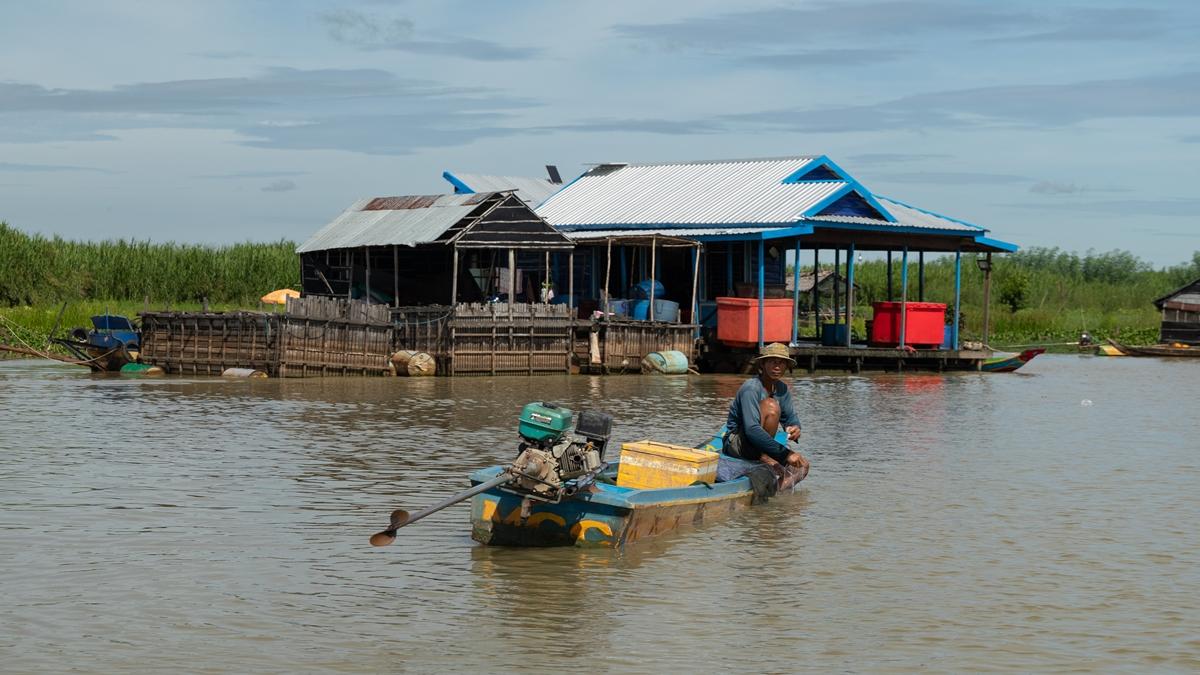
Climate pressures from El Niño are threatening the unique floating communities of Cambodia’s Tonle Sap lake, impacting local livelihoods.
Climate Challenges on Tonle Sap
According to a report by Khaosod English, the traditional way of life for communities living on Cambodia’s Tonle Sap lake is facing significant disruption due to the environmental pressures of El Niño. The lake, which is the largest in Southeast Asia, is home to families who reside in floating houses.
Impact on Local Communities
Meas Chou, a local resident, has been stockpiling metal drums used to keep these floating homes buoyant. As environmental conditions shift, the stability of these structures is increasingly challenged. This situation highlights the vulnerability of lake-based populations to climate-driven changes, which affect both their housing security and their daily economic activities.
Relevance and Outlook
For travelers and residents interested in the region, this story underscores the fragile balance between traditional lifestyles and changing climate patterns in Southeast Asia. While the immediate impact is felt by those living directly on the water, the broader implications for the lake's ecosystem and the sustainability of these unique communities remain a subject of ongoing observation. It is not yet clear how long-term climate trends will permanently alter the landscape of the Tonle Sap or what adaptive measures will be required for these communities to maintain their way of life in the future.
