
Petroleum Institute Warns of Risks in Thailand-UAE Trade Deal
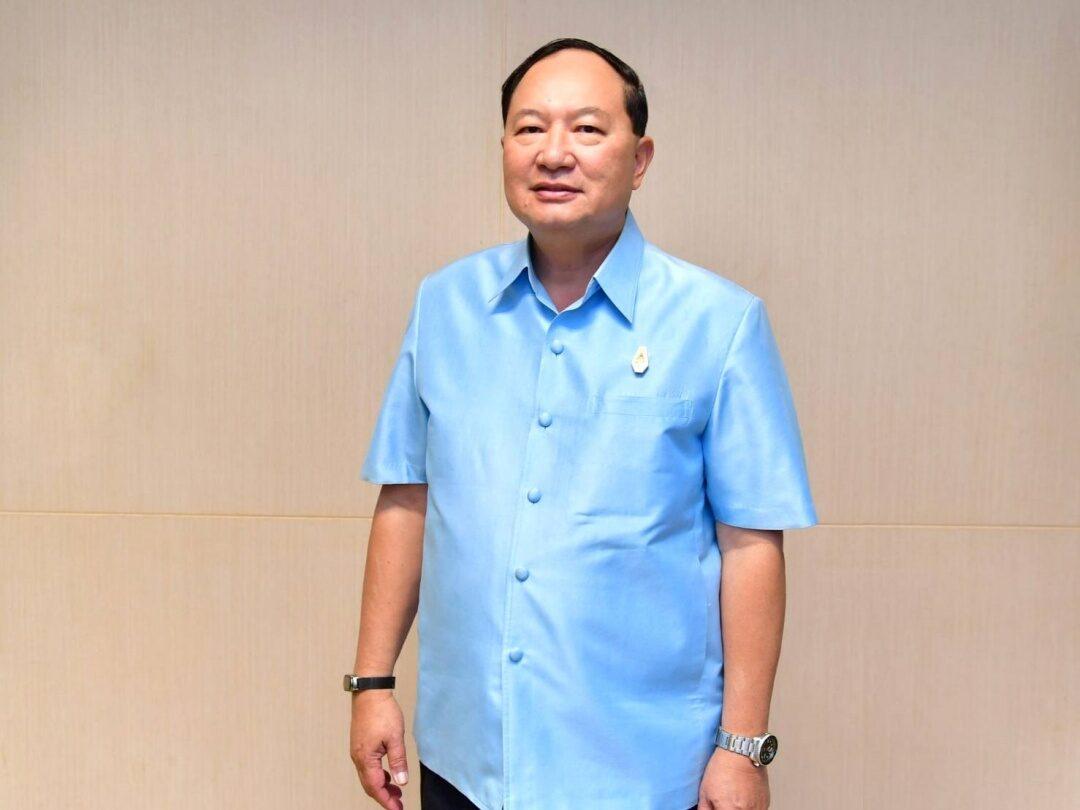
The Petroleum Institute of Thailand has cautioned that a proposed free trade agreement with the UAE could threaten the domestic petrochemical sector.
The Petroleum Institute of Thailand (PEIT) has raised concerns regarding the ongoing Comprehensive Economic Partnership Agreement (CEPA) negotiations between Thailand and the United Arab Emirates. According to PEIT Director Kurujit Nakornthap, the potential liberalization of trade for Polyethylene (PE) and Polypropylene (PP) plastic resins poses a significant risk to the domestic industry due to the threat of an influx of cheaper imports.
For residents and businesses in Thailand, this sector is a vital economic pillar, contributing approximately 1.6 trillion baht annually, which accounts for 8.5% of the nation's GDP. The industry supports over 414,000 jobs and represents 5.7% of total exports. The PEIT has formally proposed maintaining existing import tariffs of 3-5% for an additional five to seven years to allow local manufacturers time to adjust and remain competitive.
While the petrochemical industry is largely industrial, any significant disruption to this sector could have broader implications for the cost of goods and employment stability within the manufacturing supply chain. As of now, the final terms of the CEPA agreement remain under negotiation. It is yet to be confirmed whether the Thai government will adopt the institute's recommendation to protect these specific plastic resin categories or if they will proceed with full trade liberalization as part of the broader economic partnership.
