
Safety Warning Issued for High-Altitude Trekking Following Recent Tragedies
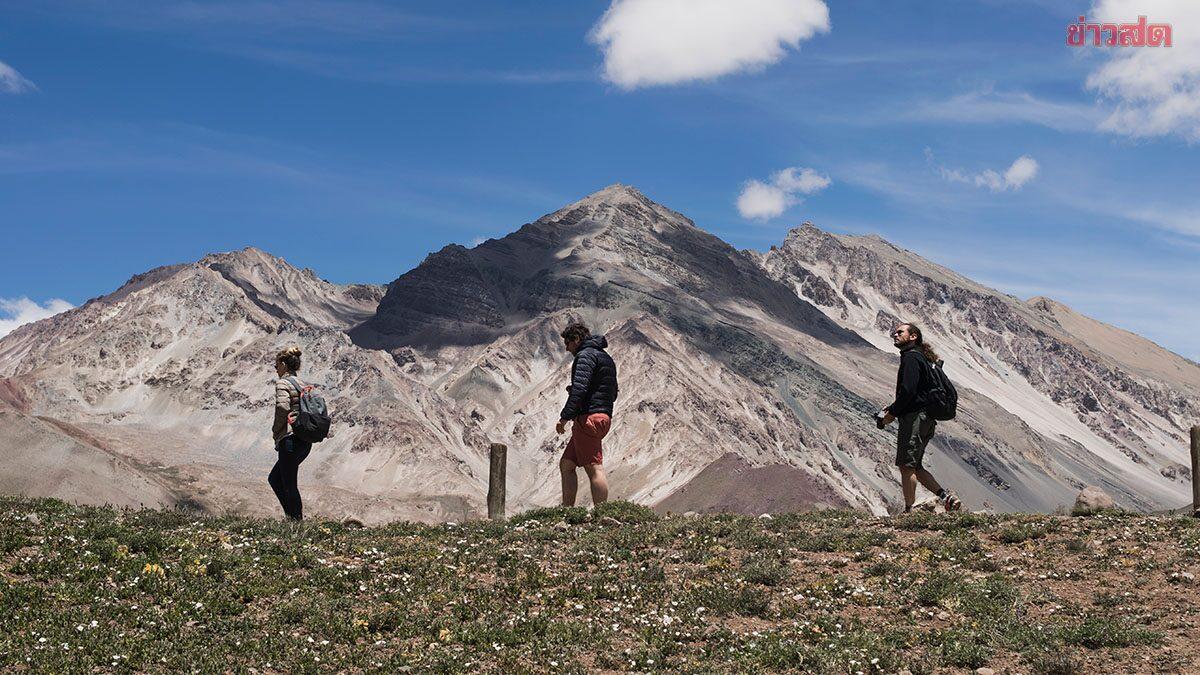
Khaosod Online reports on the critical health risks associated with high-altitude trekking, emphasizing three major dangers after the recent deaths of two Thai hikers in Nepal.
Following the recent deaths of two Thai tourists while trekking in the Annapurna mountain range in Nepal, Khaosod Online has issued a safety advisory regarding the inherent risks of high-altitude travel. While the exact cause of the recent fatalities remains under investigation, experts are highlighting three primary life-threatening conditions that adventurers should monitor: high-altitude illness, hypothermia, and frostbite.
High-altitude illness, or Acute Mountain Sickness (AMS), occurs when the body struggles to adapt to lower oxygen levels, typically starting at elevations above 2,500 meters. Symptoms include headaches, dizziness, nausea, and fatigue. Experts recommend a gradual ascent, allowing the body three to five days to acclimatize to the thinner air. As adventure tourism grows in popularity—with destinations like Everest, Kilimanjaro, and Leh-Ladakh attracting more travelers—the importance of understanding these physiological limits has become paramount.
For travelers and residents planning mountain expeditions, the report serves as a reminder that extreme environments require careful preparation and respect for physical boundaries. It is important to note that while these conditions are well-documented, the specific circumstances surrounding the recent tragedy in Nepal have not yet been officially confirmed. Travelers are encouraged to prioritize health screenings and proper acclimatization schedules before embarking on high-altitude journeys.
