
Thailand Promotes 'Nong Wua So Model' to Reduce Sugarcane Production Costs
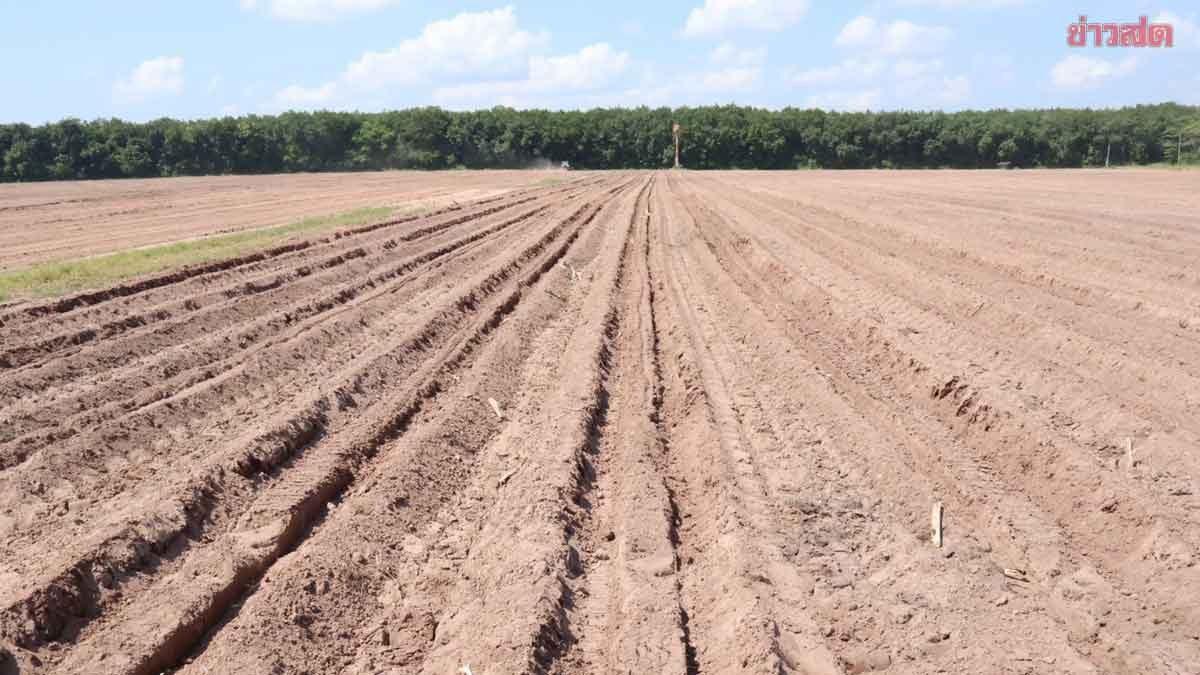
The Office of the Cane and Sugar Board is implementing a precision agriculture model in Udon Thani to combat rising fertilizer costs and improve soil health.
The Office of the Cane and Sugar Board (OCSB) has introduced the 'Nong Wua So Model' in Udon Thani province to address the financial strain on sugarcane farmers caused by a 100-200% surge in fertilizer prices. According to OCSB Secretary-General Bainoi Suwannachatri, global geopolitical tensions and energy costs have driven cultivation expenses to between 1,200 and 1,500 baht per ton. The initiative focuses on precision agriculture, moving away from generic chemical fertilizers toward soil-specific nutrient management. By analyzing soil composition before applying nutrients, farmers can avoid unnecessary costs and reduce waste. The model also emphasizes long-term soil restoration through the use of natural minerals like phosphate rock and dolomite to balance pH levels and improve organic matter. For residents and those interested in Thailand's agricultural sector, this shift represents a strategic move toward sustainable farming that aims to increase net profits per rai and reduce the frequency of replanting. While the model shows promise in lowering production costs and enhancing soil fertility, the long-term scalability of these integrated soil management practices across different regions of Thailand remains to be confirmed. This development highlights the country's ongoing efforts to modernize its agricultural infrastructure amidst global economic volatility.
