
Rising Concerns Over Knee Osteoarthritis in Thailand
Recent data highlights that knee osteoarthritis is increasingly affecting younger populations in Thailand, with over half of seniors now suffering from the condition.
According to a report by Khaosod Online, knee osteoarthritis is no longer a condition exclusive to the elderly, as it increasingly impacts younger individuals. Data from the World Health Organization (WHO) indicates that by 2019, there were 528 million people globally suffering from osteoarthritis, with 365 million specifically experiencing knee-related issues. Of these, 344 million cases were classified as moderate to severe, requiring medical intervention or rehabilitation.
In Thailand, a survey conducted by the Faculty of Medicine Siriraj Hospital at Mahidol University involving 2,947 elderly participants across six regions revealed that 53.8% of Thais aged 60 and older suffer from symptomatic knee osteoarthritis. This condition significantly impairs mobility, increases the risk of falls, and diminishes overall quality of life. Symptoms often begin to manifest between the late 40s and mid-50s.
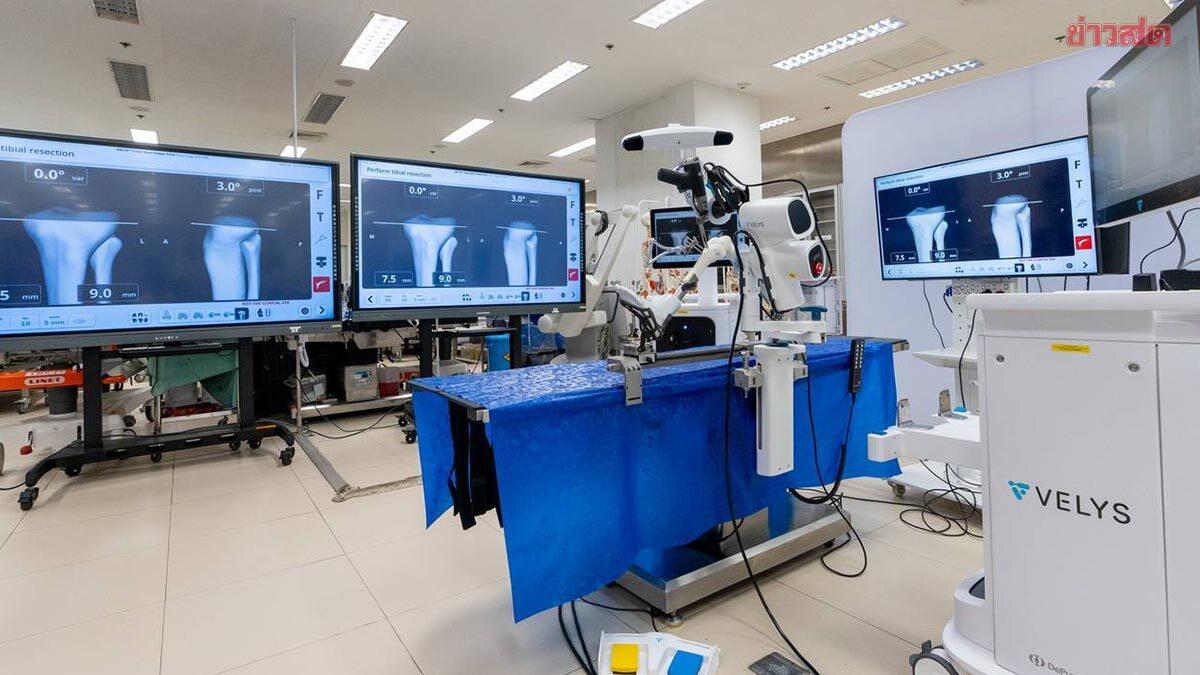
For residents and long-term visitors, this trend underscores the importance of early detection and proactive joint health management. While modern medical advancements, such as robotic-assisted knee replacement surgery, are available to restore mobility, the prevalence of the condition suggests a growing need for awareness regarding joint care. It remains to be confirmed how public health initiatives will address the rising demand for orthopedic services as the demographic profile of patients continues to shift toward younger age groups.
