
Understanding Anthrax: Risks and Historical Context in Thailand
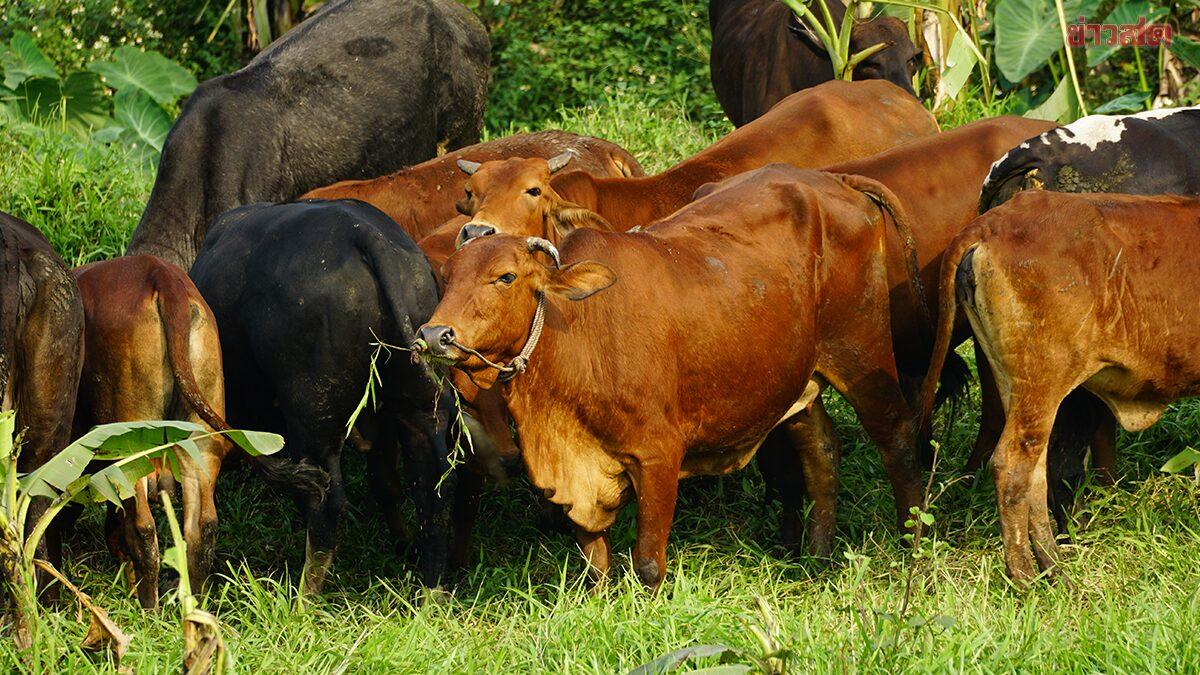
Khaosod Online reports on the nature of Anthrax, a zoonotic disease caused by Bacillus anthracis, and its historical presence in various Thai provinces.
Anthrax is a serious zoonotic disease caused by the bacterium Bacillus anthracis, which can survive in soil for years by forming resilient spores. According to information shared by Khaosod Online, the bacteria primarily affect herbivores such as cattle, buffalo, goats, and sheep. Infection in these animals is often sudden and fatal, frequently characterized by dark blood discharging from bodily orifices. Assistant Professor Dr. Tharadol Luangthongkam from the Faculty of Veterinary Science at Chulalongkorn University notes that while Thailand has recorded cases of Anthrax in the past, it is not considered an ongoing epidemic. Historical occurrences have been documented in provinces including Mukdahan, Tak, Kanchanaburi, Phitsanulok, Chiang Mai, and Phichit. For residents and travelers, understanding the nature of this disease is important for awareness, particularly regarding contact with livestock in rural areas. While the risk of widespread human infection is low, the ability of the bacteria to persist in the environment remains a point of scientific interest. It is important to note that this information serves as a general overview of the disease's characteristics and historical context in Thailand. Further official health guidelines should be consulted for specific safety protocols or updates regarding animal health monitoring in affected regions.
