
Expert Clarifies Mpox Transmission Risk via Public Toilet Seats
Key points
- Dr.
- Anan Jongkaewwattana of BIOTEC explains the theoretical risks and practical realities of contracting Mpox from public restroom facilities.
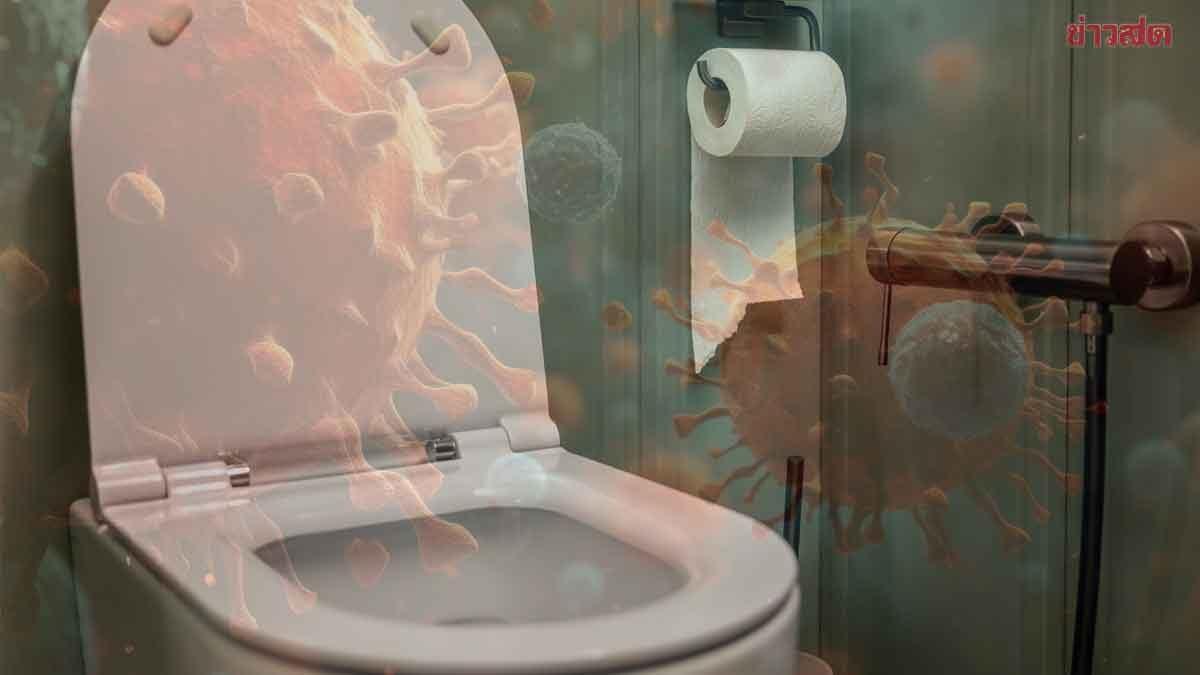
Dr. Anan Jongkaewwattana, a researcher at the National Center for Genetic Engineering and Biotechnology (BIOTEC), has addressed public concerns regarding the transmission of Mpox through public toilet seats. According to a report by Khaosod Online, Dr. Anan clarified that while the risk of infection from sitting on a toilet seat previously used by an infected person is theoretically possible, it remains extremely low in practical scenarios.
Dr. Anan noted that Mpox, an Orthopoxvirus, is more resilient in the environment than viruses like HIV or COVID-19. Research has confirmed that the virus can survive on dry surfaces at room temperature for several hours or even days, and viable virus particles have been detected on toilet seats in environments used by infected individuals. However, he emphasized that intact, healthy skin on the buttocks and thighs acts as a strong barrier. The virus cannot penetrate unbroken skin, making direct transmission through contact with a seat highly unlikely under normal circumstances.
For residents and travelers, the expert suggests that while the risk is minimal, maintaining basic hygiene remains a prudent practice. The primary concern would only arise if an individual has open wounds or sores in direct contact with a contaminated surface immediately after an infected person. Further studies may be required to determine the exact frequency of such environmental contamination in public spaces.
