
Debate Over Parliamentary Committee Oversight Powers in Thailand
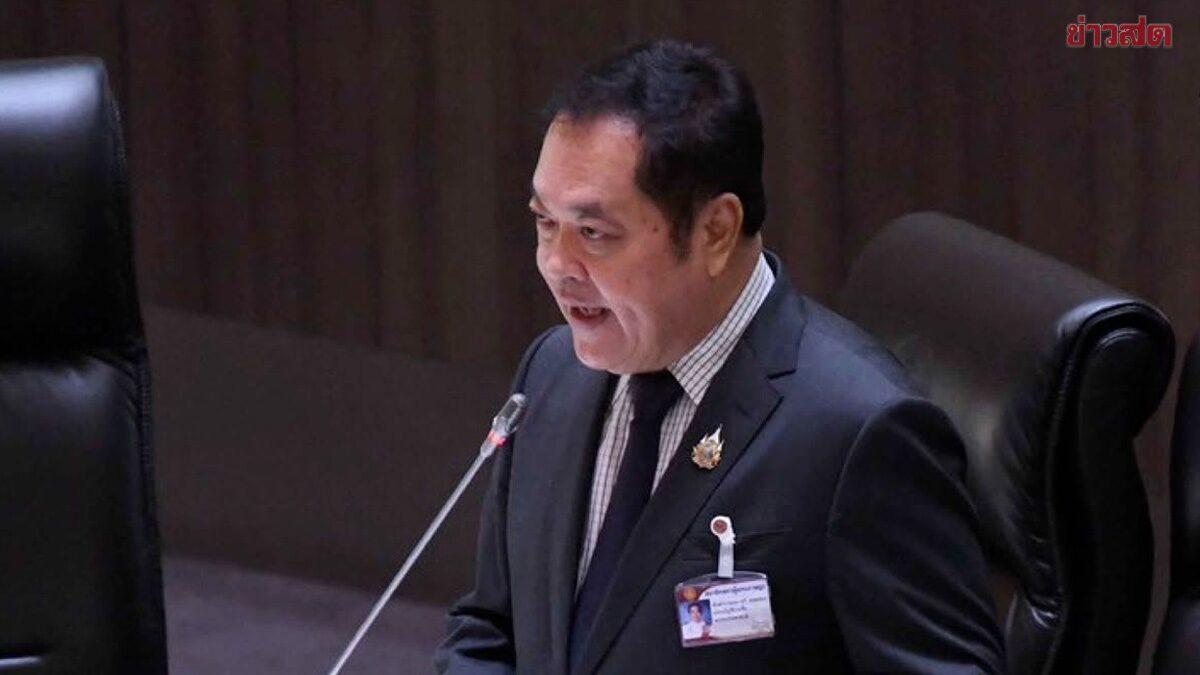
Prachachat Party leader Tawee Sodsong has criticized new restrictions on the investigative powers of Thailand's 35 parliamentary committees.
On November 6, 2026, Pol. Col. Tawee Sodsong, leader of the Prachachat Party and a member of the House Committee on Law, Justice, and Human Rights, publicly questioned a recent directive that limits the investigative authority of Thailand's 35 parliamentary committees. The new rules require a formal committee resolution to set agendas or summon individuals for testimony, a move Tawee argues could hinder the constitutional duty of these bodies to investigate corruption and public grievances.
Tawee highlighted the historical effectiveness of these committees, citing their role in uncovering major local examination fraud and investigating the shooting of MP Kamolsak Leewamoh, which was linked to state-issued weapons and the Internal Security Operations Command (ISOC). He argued that such oversight is essential for addressing issues like forest encroachment, human rights violations, and toxic waste management. According to Tawee, the only individuals likely to be inconvenienced by these investigative powers are those involved in corruption or misconduct.
For residents and observers, this development signals a potential shift in the transparency and accountability mechanisms within the Thai legislative process. It remains to be confirmed how these procedural changes will impact the committees' ability to pursue ongoing investigations and whether public pressure will lead to a reversal of the directive. The debate continues regarding whether these restrictions serve administrative efficiency or undermine the public's interest in government oversight.
