
Chinese Scholars Analyze Beijing's Geopolitical Challenges Following US Election Results
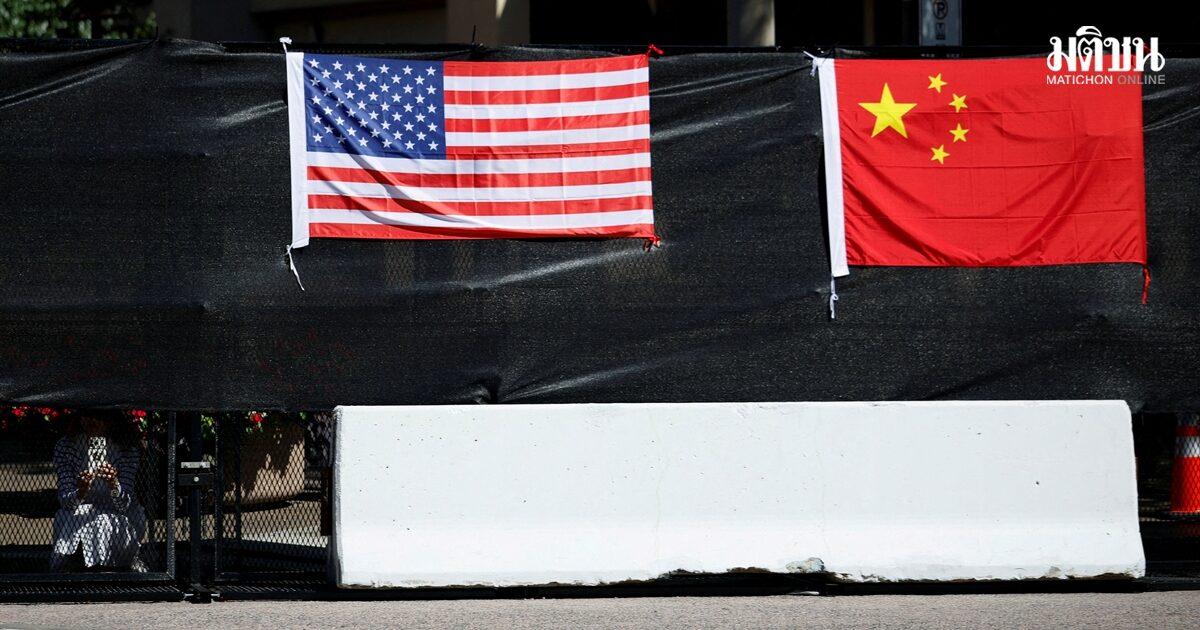
Chinese academics suggest that Beijing faces increased pressure regarding artificial intelligence and Taiwan policy following the Democratic Party's success in the US Congressional elections.
According to a report by Matichon Online, Chinese scholars are evaluating the potential impact of the recent United States Congressional elections on bilateral relations. With the Democratic Party securing a majority in Congress, analysts in China anticipate heightened scrutiny and pressure concerning two critical areas: the development of artificial intelligence and the status of Taiwan. The academic perspective highlights that these political shifts in Washington could lead to more stringent regulatory frameworks or strategic competition that directly affects Beijing's technological and territorial objectives. For residents and travelers in Thailand, this development is significant as it underscores the ongoing geopolitical friction between the world's two largest economies, which often influences regional trade, supply chains, and technological standards in Southeast Asia. While the academic analysis provides a framework for understanding potential diplomatic tensions, the specific policy actions that the new US Congress will take remain to be confirmed. Observers are waiting to see how these legislative priorities will translate into concrete executive actions or international agreements. As the situation evolves, stakeholders are advised to monitor official statements from both Beijing and Washington to gauge the potential for shifts in regional stability or economic policy.
