
Parit Wacharasindhu Confirms No Current Plans for General Debate Under Article 152
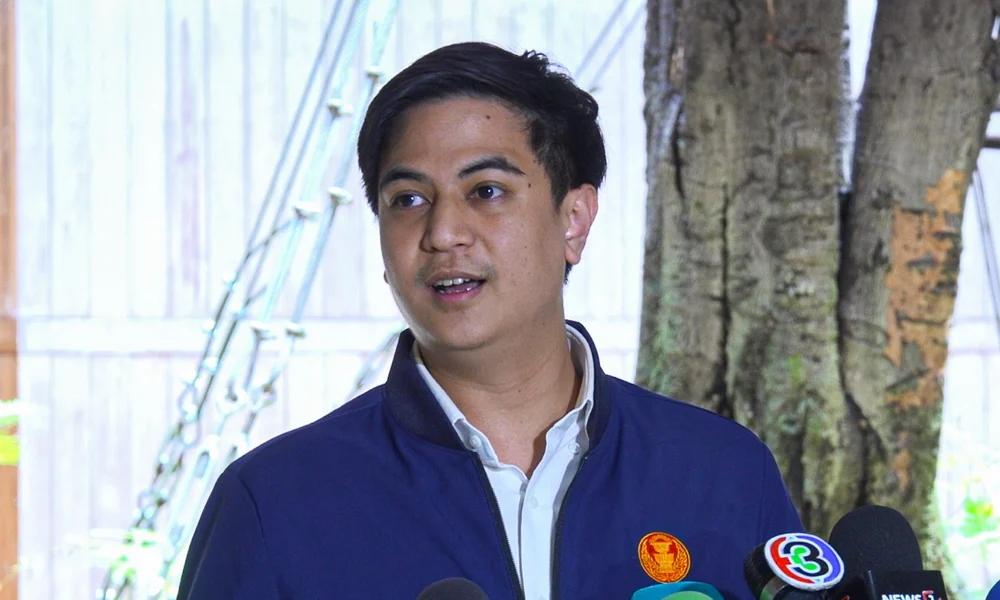
The opposition bloc in Thailand has reached a consensus against filing for a general debate under Article 152 at this time, according to People's Party MP Parit Wacharasindhu.
Opposition Stance on Parliamentary Debate
Parit Wacharasindhu, a list MP and deputy leader of the People's Party, announced that the opposition coalition has decided not to pursue a general debate under Article 152 of the Constitution. Serving as the chairman of the opposition whip, Parit clarified via social media that the decision was reached during a recent meeting of the opposition parties.
Context and Implications
Article 152 allows for a general debate in the House of Representatives without a vote, providing a platform for the opposition to question the government on its policies or performance. By opting against this mechanism for now, the opposition signals a shift in its parliamentary strategy. For residents and expatriates, this development suggests a period of relative stability in the legislative agenda, as the opposition is not currently seeking to force a high-profile confrontation with the administration on the floor of the House.
What Remains to be Confirmed
While the current stance is clear, the opposition's long-term parliamentary tactics remain fluid. It is not yet known if the opposition will utilize other parliamentary tools to challenge the government in the coming months or if they will revisit the possibility of a general debate later in the session. Observers should continue to monitor official announcements from the opposition whip for any changes in their legislative approach.
