
Understanding the 'Sponge City' Concept for Flood Mitigation in Thailand
Key points
- Professor Emeritus Dr.
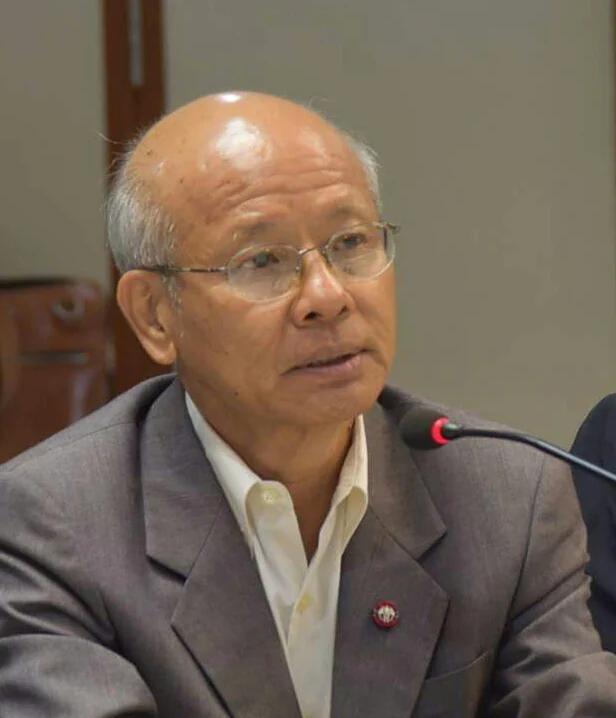
- Thongchai Panswad of Chulalongkorn University has published an analysis on the 'Sponge City' model as a potential strategy for managing urban flooding in Thailand.
Overview of the Sponge City Concept
Professor Emeritus Dr. Thongchai Panswad from the Department of Environmental Engineering and Sustainability at Chulalongkorn University recently shared insights regarding the 'Sponge City' urban planning model. According to the report published by Thai Post, this concept focuses on enhancing an urban area's ability to absorb, store, and purify rainwater, effectively acting like a sponge to mitigate the risks of severe flooding.
Relevance for Residents and Travelers
For those living in or visiting Thailand, particularly in major urban centers prone to seasonal inundation, understanding this concept is significant. The model suggests a shift toward infrastructure that prioritizes permeable surfaces, green spaces, and natural drainage systems rather than relying solely on traditional concrete barriers. If implemented, these changes could lead to more resilient urban environments, potentially reducing the frequency and severity of disruptions caused by heavy rainfall during the monsoon season.
Current Status and Future Outlook
While the academic discussion highlights the theoretical benefits of the Sponge City approach, it remains a conceptual framework for urban development. It is not yet confirmed whether specific government policies or large-scale infrastructure projects will adopt these principles in the near future. Residents and travelers should continue to monitor local weather reports and municipal flood warnings, as traditional flood management systems remain the primary defense against seasonal water accumulation.
