
Israeli Political Tensions Rise Following General Election Results
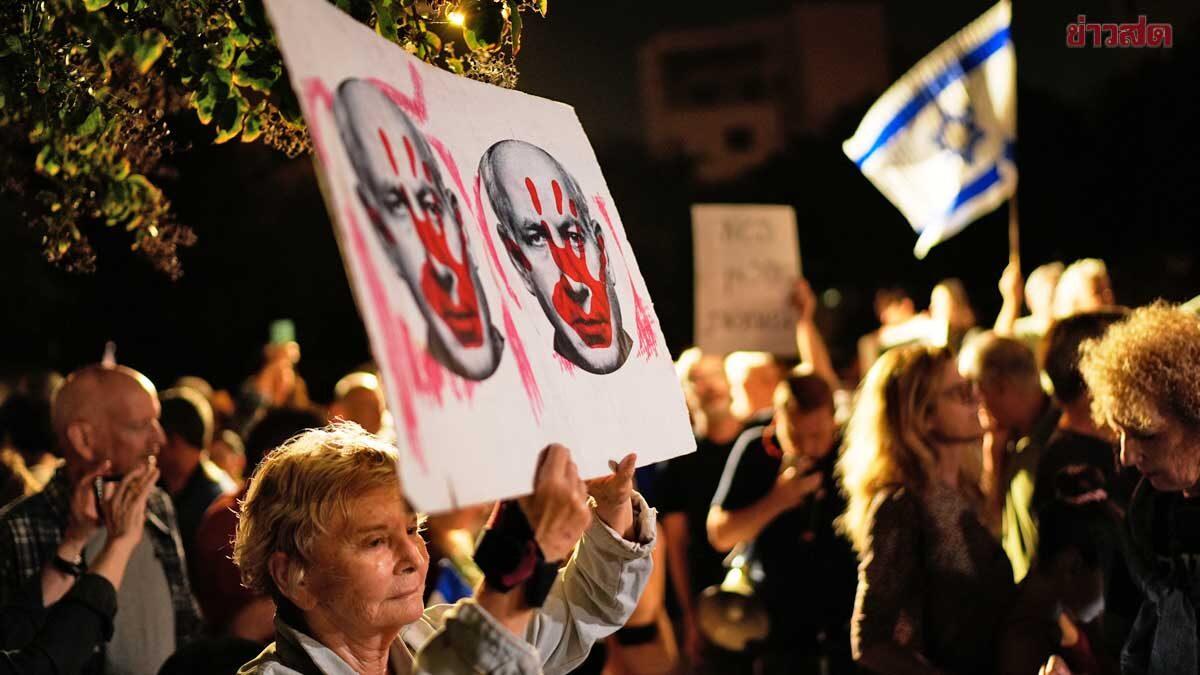
Israeli opposition leaders and Arab parties have condemned Prime Minister Benjamin Netanyahu's allegations of foreign interference in the recent general election.
Following the general election held on October 27, Israeli Prime Minister Benjamin Netanyahu has faced sharp criticism from opposition leader Gadi Eisenkot and leaders of Arab political parties. Netanyahu’s Likud party alleged that Arab-led parties 'stole' the election, while also claiming foreign interference contributed to the loss of his coalition's majority. The Shin Bet, Israel's internal security agency, is currently investigating whether Arab parties received illegal funding from Qatar and Turkey, allegations which the Qatari Foreign Ministry has dismissed as dangerous misinformation.
The election results show that neither Netanyahu’s coalition, which secured 53 seats, nor the opposition led by Eisenkot, with 48 seats, achieved a parliamentary majority. Notably, the Joint List and Ra'am parties achieved a record 19 seats, driven by a significant increase in Arab voter turnout. Critics suggest that Netanyahu’s rhetoric is an attempt to delegitimize these parties, potentially complicating efforts by the opposition to form a government. For residents and visitors, the current political deadlock may lead to increased public demonstrations or heightened security measures in major cities. It remains to be confirmed whether the Shin Bet investigation will yield evidence of illegal funding and how the parliamentary impasse will be resolved to form a stable government.
