
Understanding the Significance of Phra Pidta Amulets in Thai Culture
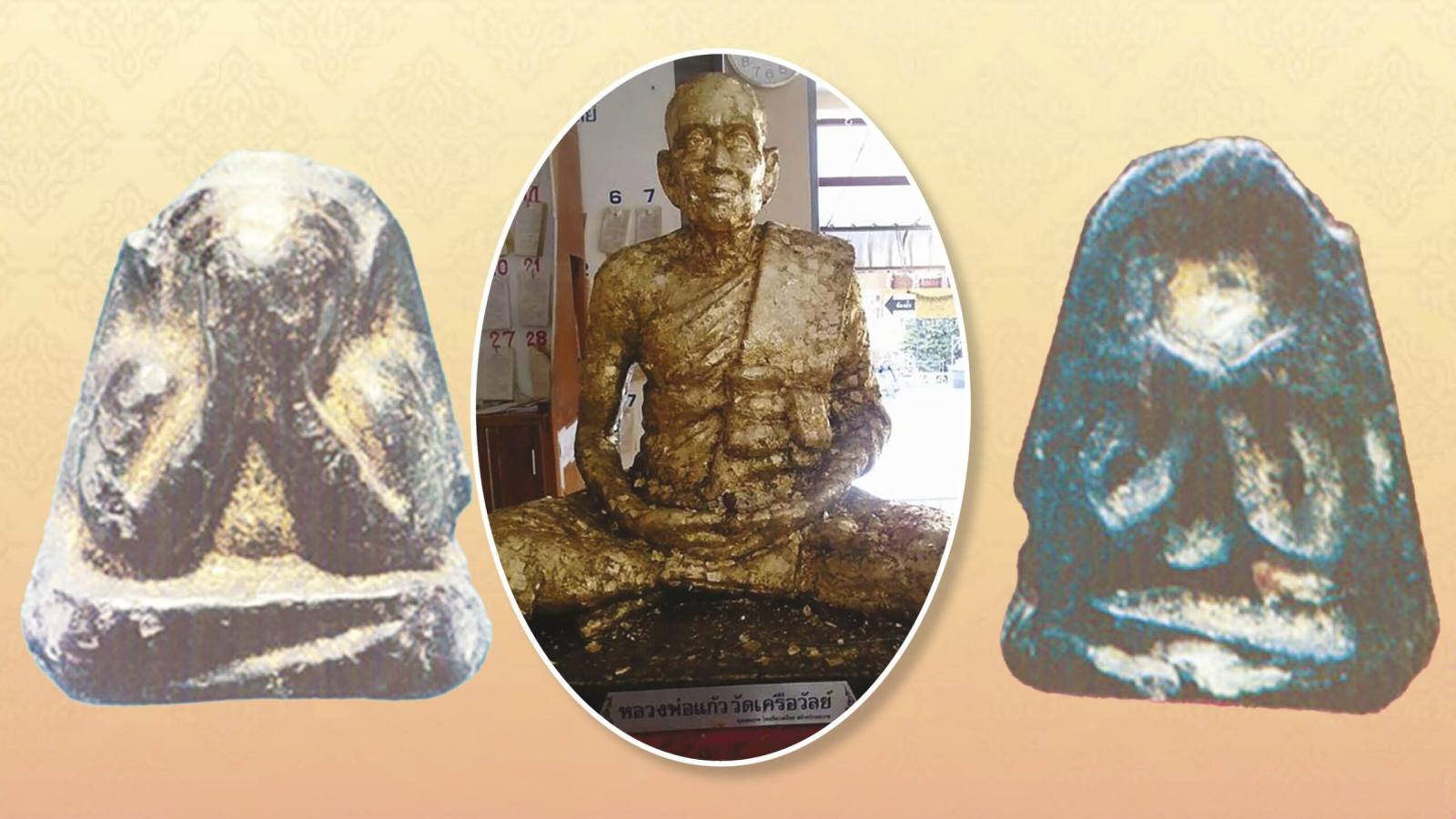
Khaosod Online explores the deep spiritual symbolism and artistic history behind the iconic Phra Pidta amulets.
The Phra Pidta, or 'closed-eye' amulet, remains one of the most distinct and highly regarded forms of Buddhist art in Thailand. According to a report by Khaosod Online, these amulets are characterized by their plump figures with hands covering the face, and sometimes additional hands covering the lower orifices, a style known as 'yong kon.' Beyond their physical appearance, these amulets serve as profound 'Dhamma puzzles.' The act of closing the eyes and orifices symbolizes the blocking of the nine human portals—eyes, ears, nose, mouth, and excretory channels—to prevent worldly defilements from entering the body. This practice is rooted in the pursuit of meditation and spiritual purity, traditionally crafted by monks renowned for their expertise in Vipassana. For travelers and residents in Thailand, encountering these amulets offers a glimpse into the country's rich spiritual heritage. While they are often sought after by collectors for their historical and artistic value, they are primarily intended as reminders of mindfulness and the internal struggle against desire. It remains to be seen how modern interpretations of these ancient artifacts will continue to influence contemporary Thai Buddhist practices, as the tradition of creating these sacred objects persists through various esteemed temples and masters.
