
Thailand Moves to Classify Environmental Crimes as Money Laundering Offenses
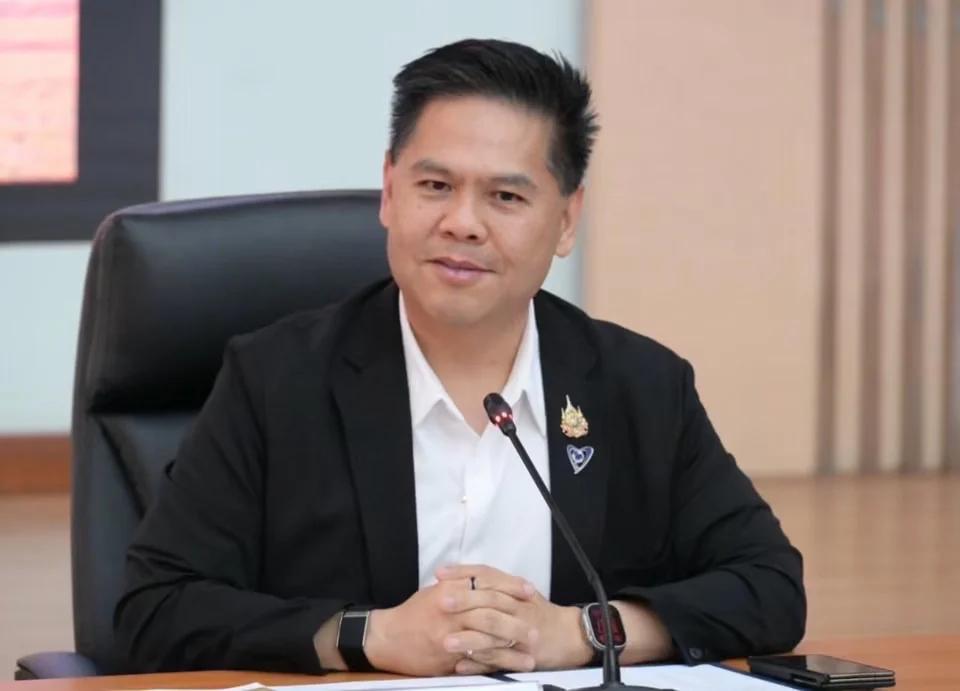
The Ministry of Industry and the Anti-Money Laundering Office are collaborating to target industrial waste offenders by enabling asset seizures from financiers and nominees.
According to a report by Thai Post on October 29, 2026, the Thai Ministry of Industry is partnering with the Anti-Money Laundering Office (AMLO) to introduce stricter legal measures against industrial waste violations. The initiative aims to classify environmental crimes as predicate offenses under money laundering laws. This shift is intended to allow authorities to trace illegal activities back to the actual financiers and seize assets held by nominees, rather than solely penalizing factory operators.
For residents and long-term visitors, this development signals a significant government effort to address industrial pollution and illegal waste dumping, which have historically impacted local environments and public health. The ministry expects the new legal framework to be fully effective by mid-2027. In the interim, the government has mobilized 50 inspection teams to monitor high-risk factories across the country to curb ongoing violations.
While the policy aims to increase accountability for environmental damage, several details remain to be confirmed, including the specific legislative timeline and the exact criteria for identifying 'high-risk' facilities. Residents living near industrial zones should monitor local news for updates on how these inspections may affect their immediate surroundings. SawaLife does not provide legal advice; those concerned about specific industrial activities should consult official government channels or local environmental authorities.
