
China’s Strict Waste Import Ban: Implications and Policy Overview
Key points
- Dr.
- Sonthi Kotchawat highlights China's 'National Sword' policy, which enforces a total ban on foreign waste imports, including industrial and electronic scrap.
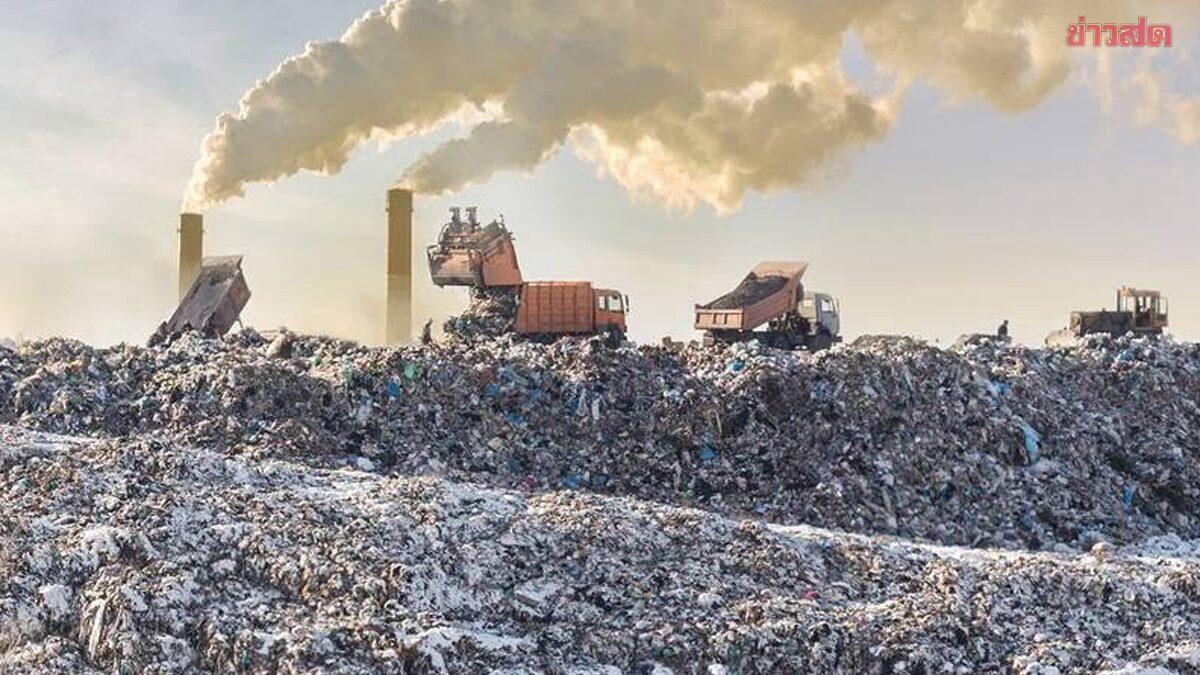
According to a report by Khaosod Online, Dr. Sonthi Kotchawat, an expert in environmental and health studies, has provided insights into China’s rigorous 'National Sword' policy. Originally initiated in 2018, this policy has evolved into a comprehensive prohibition on the importation of all forms of solid waste and industrial scrap into China.
Under current environmental protection laws, the Chinese government has ceased issuing import permits for recycling materials. The ban specifically targets industrial waste, including various types of plastic (PET, PVC, PE, PS, and household plastic films), electronic waste (E-waste) such as computer components and circuit boards, and hazardous chemical waste. Violators of these regulations face severe penalties, including fines of up to 24 million baht and prison sentences ranging from five to ten years.
For residents and travelers, this policy underscores China's aggressive stance on environmental management. While this primarily affects international trade and industrial logistics, it serves as a reminder of the tightening environmental regulations across the region. It remains to be confirmed how these strict enforcement measures might influence waste management policies in neighboring countries, including Thailand, as global supply chains adjust to China’s closed-door policy on foreign waste. Readers are advised that this information is based on expert analysis of existing Chinese law and does not constitute legal advice regarding international trade or waste disposal.
