
Full Tank vs. Half Tank: Optimizing Fuel Efficiency for Drivers in Thailand
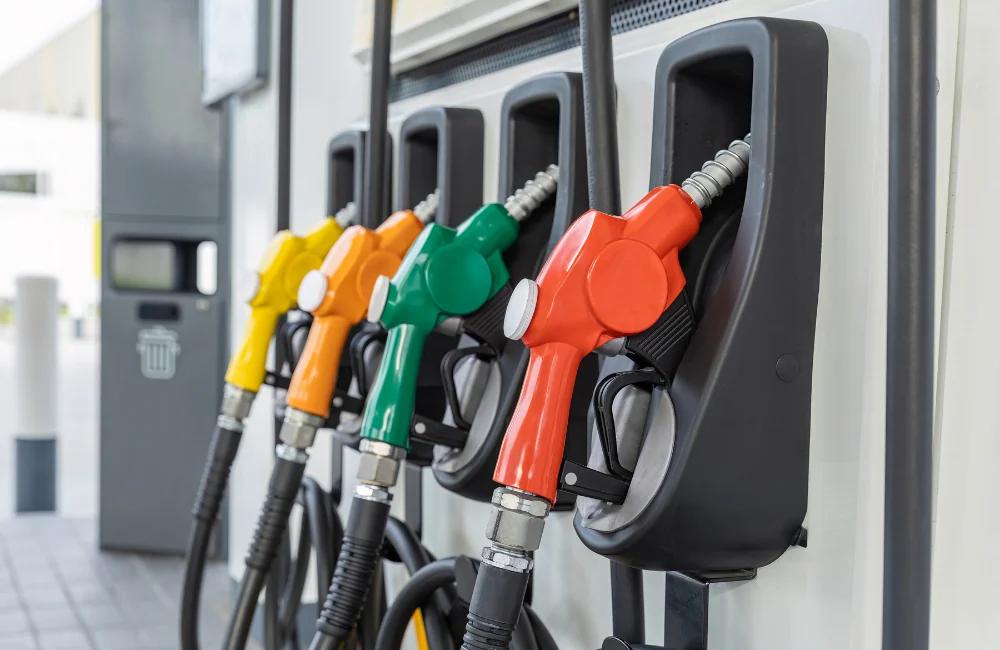
Thai Post explores the practical considerations of fuel management, comparing the benefits and limitations of filling a vehicle's tank completely versus partially.
A recent report from Thai Post examines the ongoing debate among motorists regarding fuel management: is it more economical to fill a gas tank to capacity or maintain it at half-full?
Key Considerations
For residents and travelers in Thailand, understanding fuel habits is essential for budget planning. The report highlights that filling a tank completely offers convenience and reduces the frequency of stops at service stations. However, it also adds weight to the vehicle, which can marginally impact fuel efficiency over long distances. Conversely, keeping the tank half-full reduces vehicle weight, potentially improving fuel economy, but requires more frequent refueling stops, which may be inconvenient during long-distance travel or in remote areas.
Practical Advice
Experts suggest that the 'best' approach depends heavily on individual driving behavior and usage patterns. Those who commute daily in urban traffic may benefit from different strategies compared to those who frequently travel between provinces.
What Remains to be Confirmed
While the report provides a framework for evaluating fuel habits, it does not offer a universal solution. Drivers are encouraged to assess their own driving frequency and the availability of fuel stations along their typical routes. Ultimately, the decision rests on balancing personal convenience against the marginal gains in fuel efficiency. Motorists should monitor their own vehicle's performance to determine which method best suits their specific needs.
