
Thailand Removes Long-Standing 'Ghost Costs' from Fuel Pricing Structure
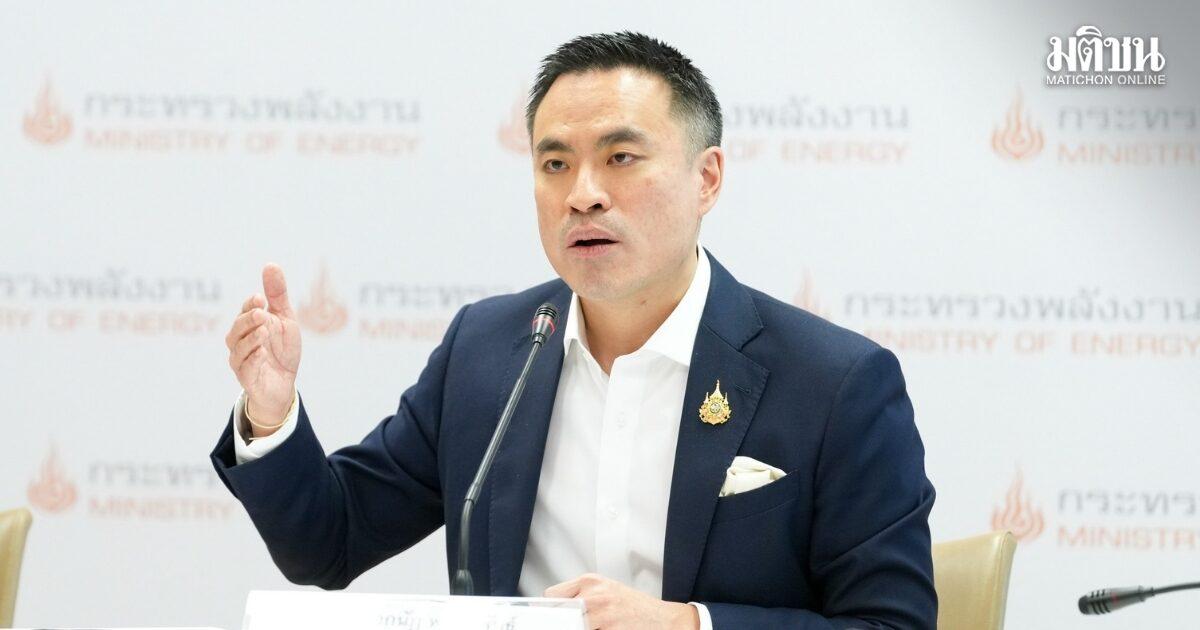
Minister Ekkanat has signed an order to permanently remove a 22-year-old 'ghost cost' component from the national fuel pricing structure, aiming to save 10.8 billion baht annually.
According to a report by Matichon Online, Thailand’s Minister of Industry, Ekkanat Promphan, has officially signed an order to permanently eliminate a surcharge known as 'ghost costs' from the country's fuel pricing structure. This specific cost component had been embedded in the pricing model for 22 years.
This policy shift is projected to reduce the national fuel cost burden by approximately 10.8 billion baht per year. By removing these legacy charges, the government aims to streamline the pricing mechanism and alleviate financial pressure on consumers and businesses alike.
For residents and travelers in Thailand, this adjustment is significant as it directly impacts the cost of energy and transportation. A reduction in fuel costs often leads to lower operational expenses for logistics and public transit, which may eventually influence the prices of goods and services across the country.
While the order has been signed, the specific timeline for when these savings will be reflected at the pump remains to be confirmed. Observers are waiting to see how fuel retailers adjust their pricing models in response to this structural change. Further details regarding the implementation process and the exact impact on retail fuel prices are expected to be clarified by the Ministry of Industry in the coming weeks.
