
BIOTHAI Highlights the Seven-Era History of Holy Basil
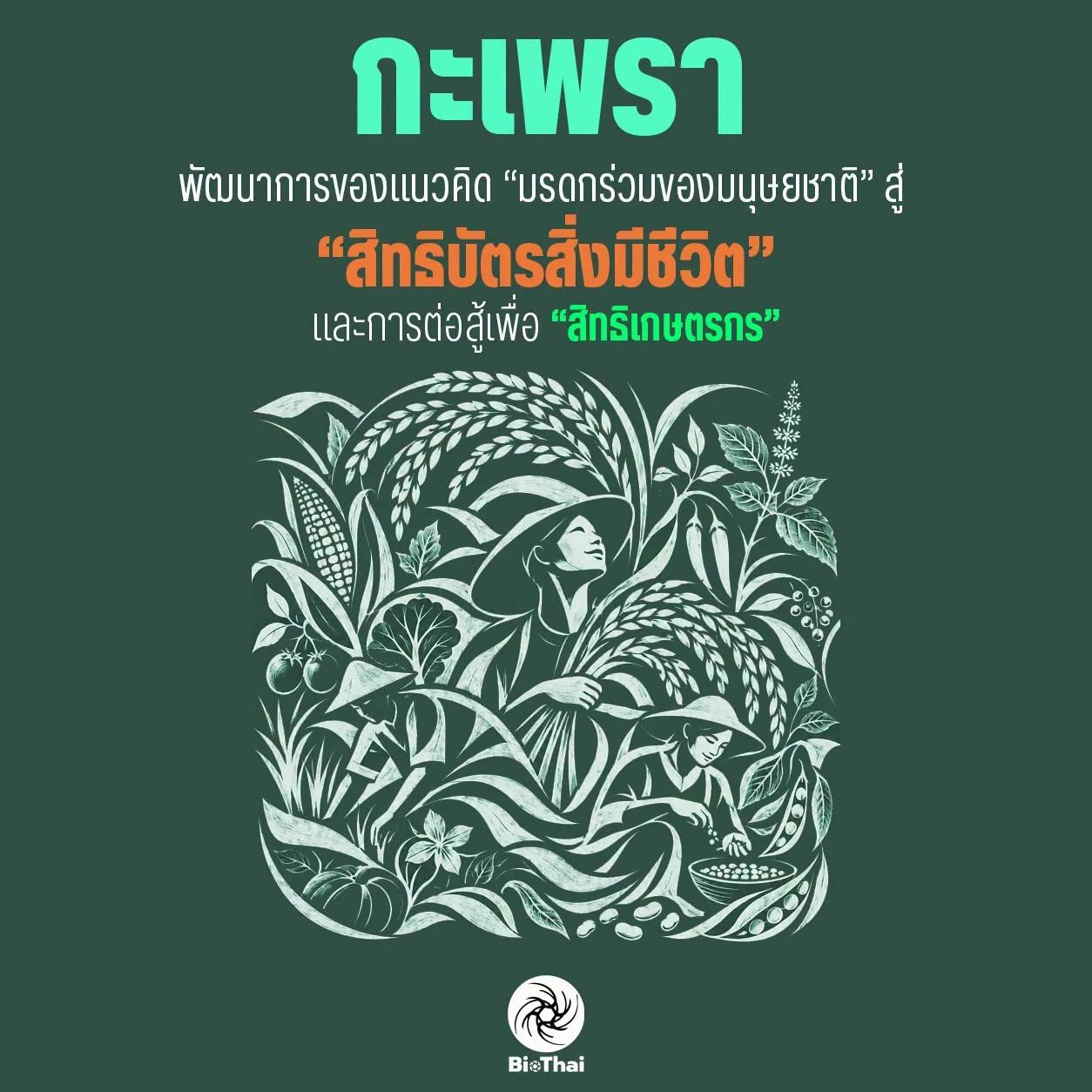
BIOTHAI has released a historical review of 'Krapow' (Holy Basil) spanning seven eras since 1930, emphasizing the importance of plant genetic rights.
The Thai organization BIOTHAI recently published a historical analysis of 'Krapow' (Holy Basil), tracing its evolution and significance across seven distinct periods starting from 1930. According to Thai Post, this review serves as a reflection on the ongoing struggle to classify plant genetics as a shared heritage of humanity.
BIOTHAI argues that while innovators deserve protection to incentivize research and development, it is equally vital that farmers and indigenous communities retain rights over their own genetic resources, traditional knowledge, and plant breeding efforts. The organization advocates for a balanced approach where the benefits of plant resources are accessible to all, rather than being restricted by exclusive ownership.
For residents and travelers in Thailand, this history underscores the deep cultural and agricultural roots of one of the country’s most iconic culinary ingredients. Understanding the provenance of Holy Basil provides insight into the local debates surrounding food sovereignty and biodiversity. While the report highlights the historical trajectory of the plant, it remains to be seen how these advocacy efforts will influence future national policies regarding agricultural intellectual property and the protection of indigenous plant varieties. The discussion serves as a reminder of the complex intersection between traditional culinary practices and modern legal frameworks governing plant genetics.
