
Exploring Thailand’s Sacred Amulet Traditions
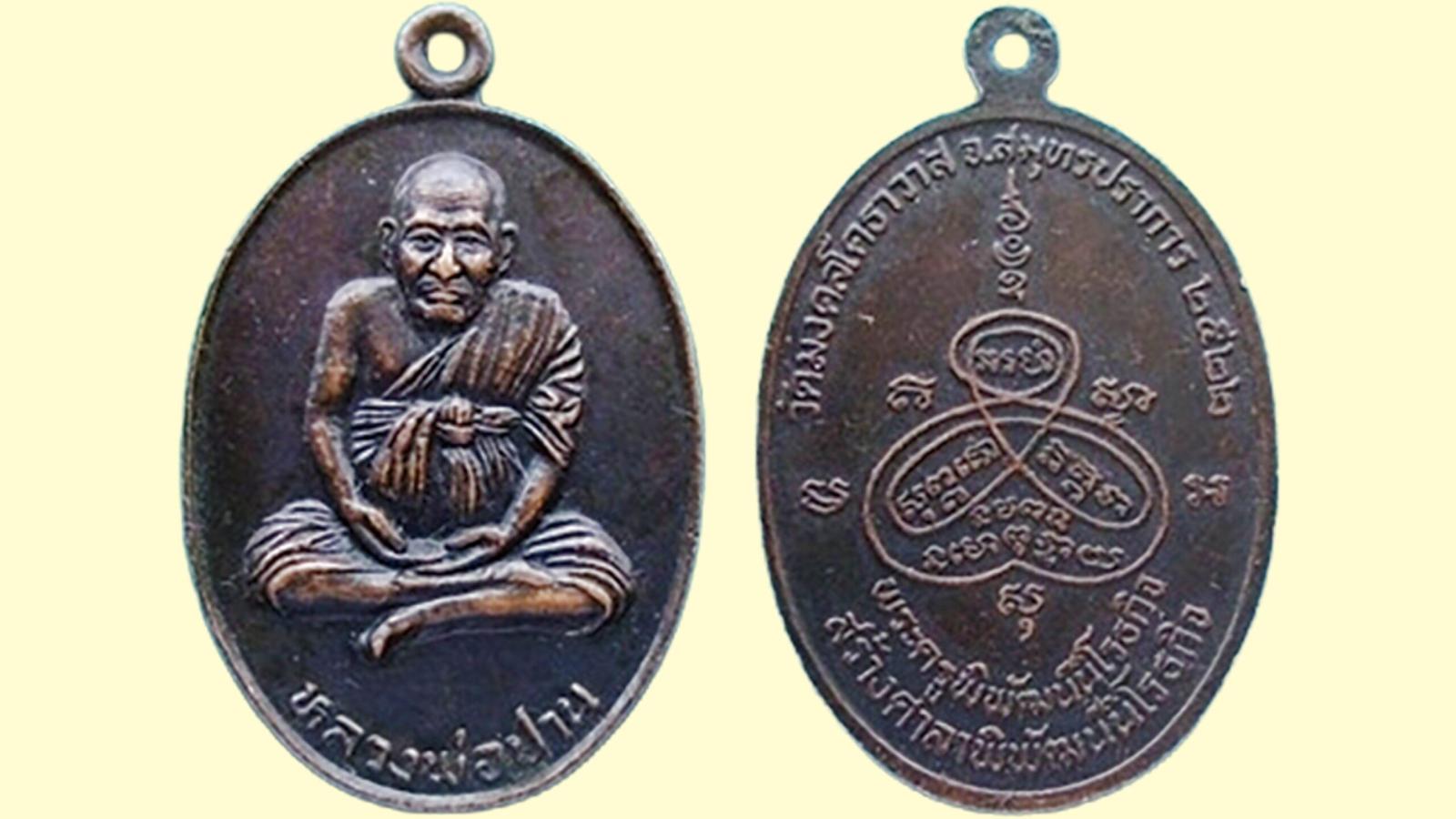
Khaosod Online highlights the historical significance of two revered Thai monks and their iconic sacred objects.
A recent report from Khaosod Online explores the cultural legacy of two prominent Thai monks, Luang Phor Pan of Wat Mongkol Kothawat (Samut Prakan) and Luang Phor Kaew Phromsaro of Wat Phuang Malai (Samut Songkhram).
Luang Phor Pan is remembered for the 1979 commemorative coin series, created by Phra Khru Mongkol Phiphat Khun to mark the construction of the Sala Phiphat Nirothakit. These oval-shaped coins, featuring the monk in a full-lotus position and his personal yantra on the reverse, were distributed to merit-makers rather than sold, making them highly sought-after collectibles today.
Meanwhile, the report details the unique craftsmanship of Luang Phor Kaew, particularly his famous 'bai lan' (palm leaf) talismans. These were specifically crafted from palm leaves sourced from the Bang Puen canal area. The monk believed the name 'Bang Puen'—which sounds like 'bang puen' (to block a gun)—offered protective symbolism. The process involved drying young palm leaves from the fifth lunar month and inscribing them with sacred characters.
For residents and travelers, these traditions offer a window into the deep-rooted spiritual practices that shape local identity. While these items are celebrated for their historical and religious value, collectors should be aware that the authenticity of such vintage amulets remains a complex field requiring expert verification. No official market value or current availability status was provided in the report.
