
Understanding the Role of No-Confidence Debates in Thai Democracy
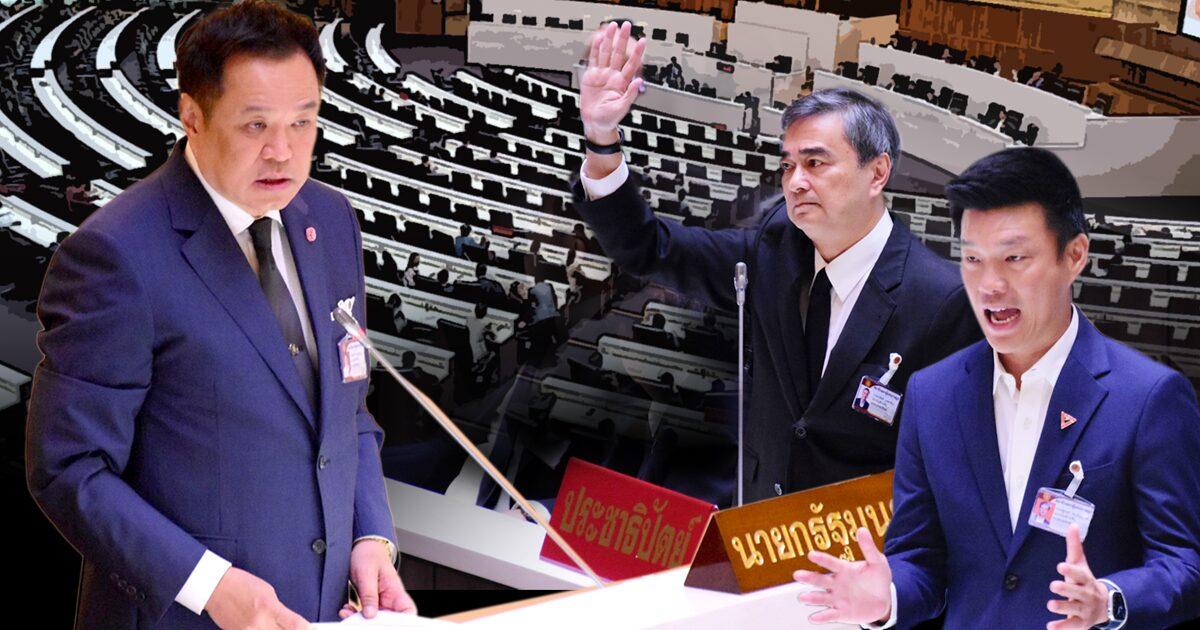
A recent analysis by Matichon Online explores the function and significance of no-confidence motions within the framework of Thailand's parliamentary system.
In a recent article published on October 26, 2026, Matichon Online examined the fundamental role of no-confidence debates in a majority-rule democratic society. The analysis highlights how these parliamentary procedures serve as a critical mechanism for accountability, allowing the legislative branch to scrutinize the performance and integrity of the executive branch.
For residents and expatriates living in Thailand, understanding these political processes is essential for contextualizing the national climate. No-confidence debates are often periods of heightened political discourse, which can lead to shifts in government policy, cabinet reshuffles, or, in extreme cases, the dissolution of parliament. While these events are a standard part of the democratic process, they can occasionally lead to public demonstrations or changes in the regulatory environment that may impact daily life or business operations.
It remains to be confirmed how current political tensions will influence the timing or frequency of future motions in the upcoming legislative session. Observers note that while these debates are vital for transparency, their impact on the stability of the administration depends heavily on the current parliamentary arithmetic and the strength of the opposition. Residents are encouraged to monitor local news outlets for updates on parliamentary schedules, as these proceedings can influence the broader political landscape and the continuity of government services.
