
The Legacy of the 'Lak Chai' Phra Kring Amulet from Wat Suthat
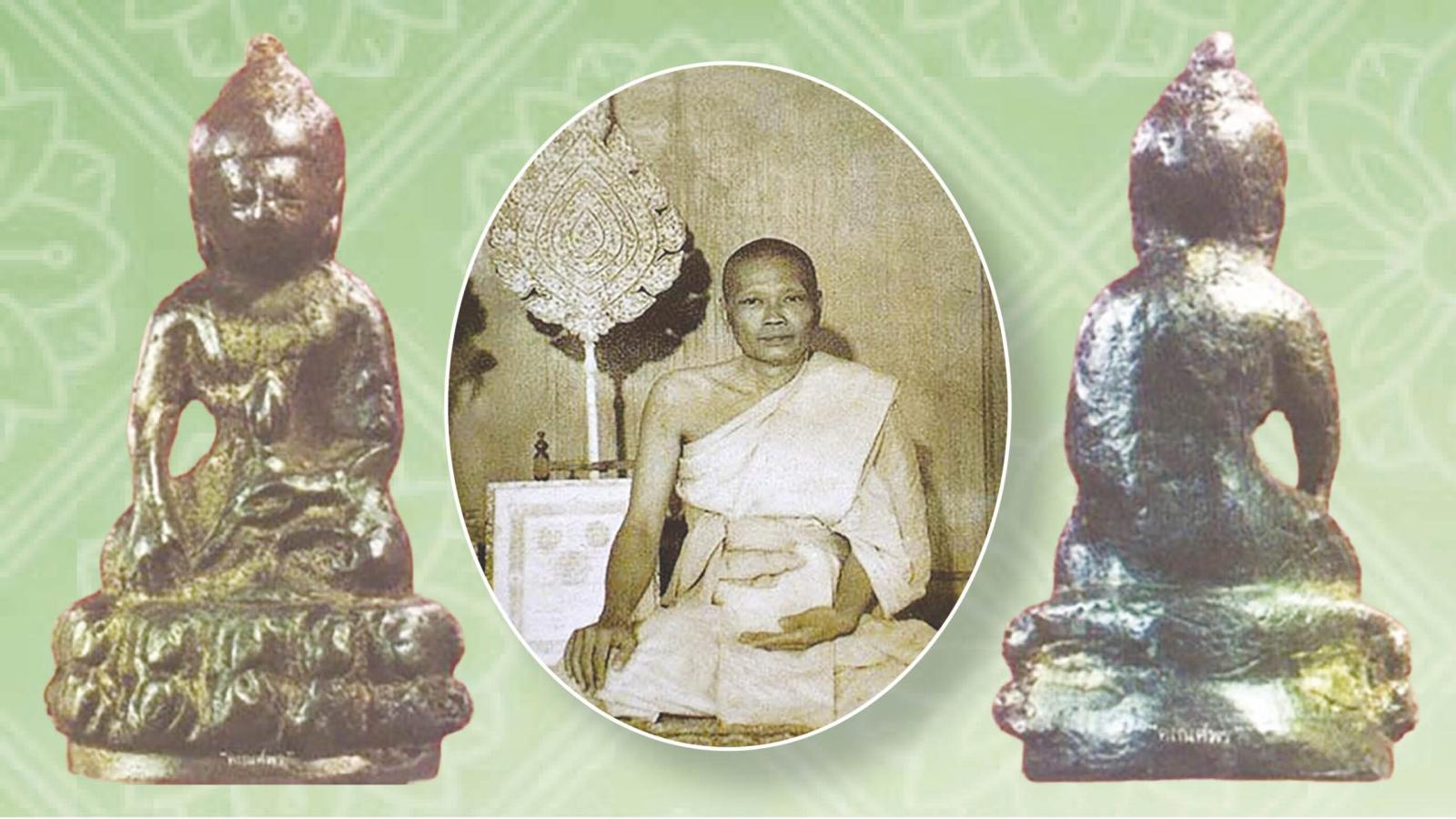
Khaosod Online explores the historical significance and meticulous creation process of the 'Lak Chai' Phra Kring, an esteemed amulet crafted by Chao Khun Sri (Son) of Wat Suthat.
Historical Significance
According to a report by Khaosod Online, the 'Phra Kring Lak Chai' remains a highly regarded piece of Thai Buddhist heritage. Created by Phra Mongkhon Ratchamuni, widely known as 'Chao Khun Sri' (Son) of Wat Suthat Thepwararam, this amulet is a testament to the craftsmanship of the Wat Suthat lineage. Chao Khun Sri was a direct disciple of the Supreme Patriarch (Phae) and followed rigorous traditional methods in his work.
Craftsmanship and Origin
The 'Lak Chai' Phra Kring was first produced on January 29, 1944, with the Supreme Patriarch (Phae) presiding over the ceremony. The creation process involved a specific alloy mixture, combining remnants from older Phra Kring models with 'Bua Yan' silver—ancient bullet money stamped with lotus and yantra symbols. Only 162 pieces were cast, featuring a distinct pinkish-grey hue and a two-hole internal rattle mechanism. The base of these amulets often bears inscriptions hand-engraved by Chao Khun Sri himself.
Relevance for Residents and Visitors
For those interested in Thai culture and religious artifacts, understanding the history of Wat Suthat amulets provides insight into the deep-rooted traditions of Bangkok’s temple culture. While these historical pieces are highly sought after by collectors, their rarity makes them difficult to encounter. It remains to be confirmed how many of these original 162 pieces remain in circulation today, as the market for such high-value religious artifacts is complex and requires expert authentication.
