
CPRAM Clarifies Holy Basil Registration Controversy
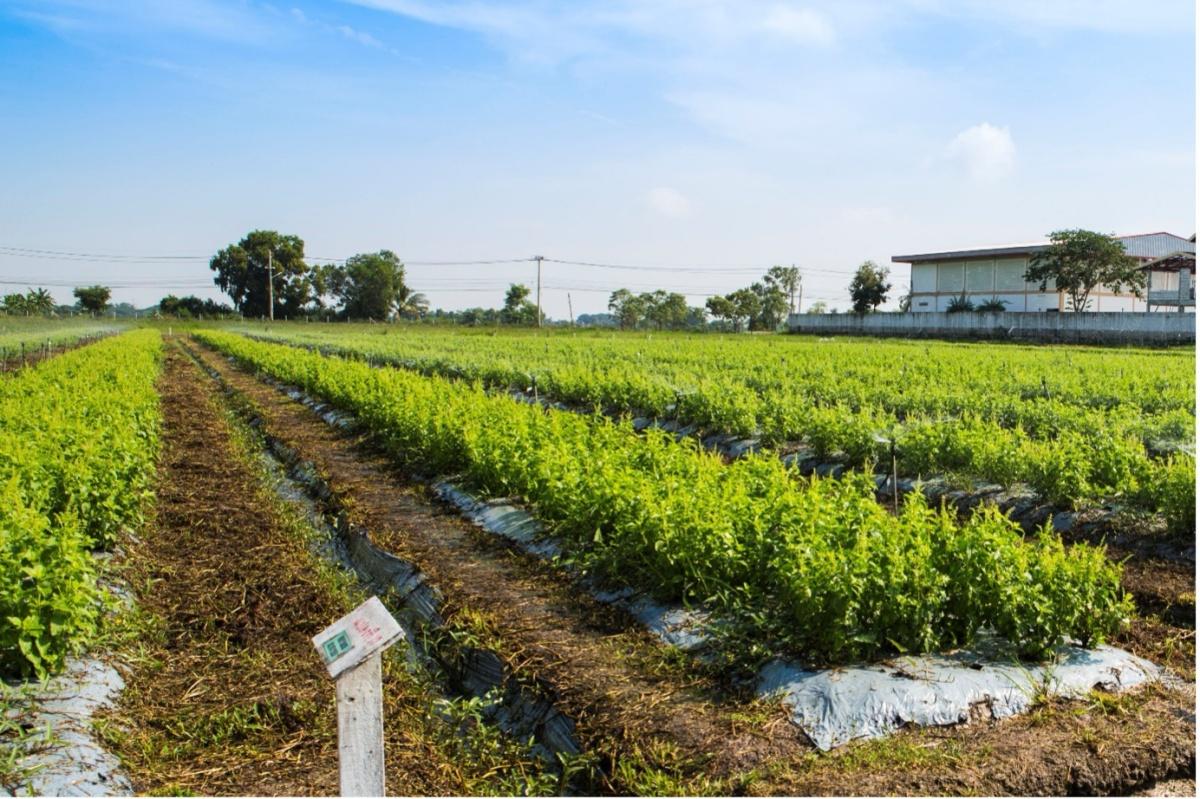
CPRAM has addressed public concerns regarding the registration of holy basil, confirming that traditional cultivation and consumption remain unaffected.
Clarification on Holy Basil Registration
Following recent public debate regarding the registration of holy basil (kaphrao), CPRAM has issued a statement to clarify the situation. The company emphasized that the registration process is intended to protect specific new plant varieties developed through research and development, rather than restricting the traditional use of the herb.
Impact on Residents and Travelers
For residents and visitors in Thailand, this clarification serves to reassure that the status quo remains unchanged. The public can continue to grow, consume, and sell traditional holy basil without any legal restrictions or concerns. The initiative to register new varieties is framed by the company as a strategic move to enhance competitiveness in the global agricultural market, rather than an attempt to monopolize the plant itself.
Current Status
While the company has addressed the immediate concerns regarding the potential restriction of this staple ingredient, the broader discussion on plant variety protection and intellectual property in Thai agriculture continues. Residents should note that traditional culinary practices involving holy basil are not under threat. Further developments regarding specific plant variety regulations may emerge as the government continues to balance agricultural innovation with traditional farming rights. For now, the beloved national dish, Pad Kaphrao, remains entirely unaffected by these administrative developments.
