
Understanding Postpartum Physical Changes: Insights from Khaosod Online
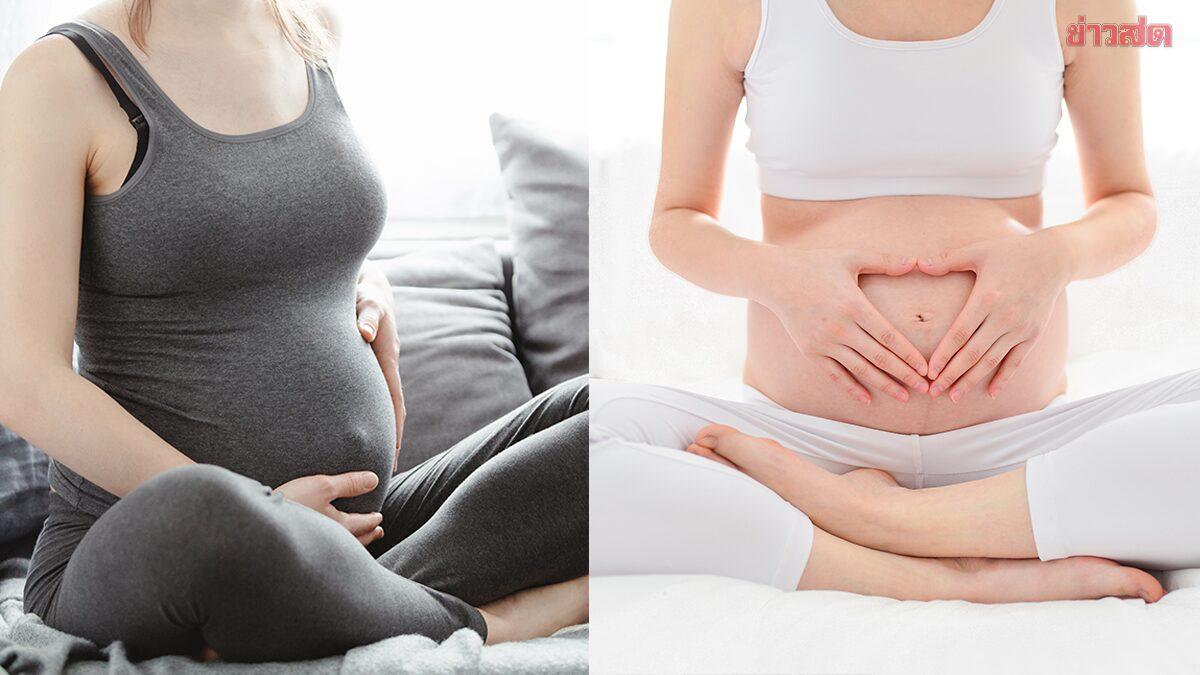
Khaosod Online explores the biological and lifestyle factors that influence why postpartum mothers experience varying physical changes.
A recent report from Khaosod Online examines the diverse physical transformations women undergo after childbirth. While some mothers appear radiant, others may experience a decline in physical appearance, a phenomenon attributed to a combination of biological and environmental factors.
According to the report, hormonal fluctuations are a primary driver. During pregnancy, elevated levels of estrogen and progesterone can lead to thicker hair and improved skin for some, while others may experience acne, dryness, or hyperpigmentation. As hormone levels stabilize postpartum, many women notice increased hair shedding as the body adjusts to its pre-pregnancy state.
Lifestyle factors also play a significant role. The report highlights that sleep deprivation and chronic fatigue—common among new mothers who manage infant care, breastfeeding, and nighttime routines—directly impact physical well-being. These stressors can manifest as dull skin or visible exhaustion.
For residents and visitors in Thailand, understanding these natural physiological processes is helpful for recognizing the common challenges faced by postpartum women. While the report outlines these general factors, it notes that individual experiences vary significantly based on genetics and personal circumstances. Further medical consultation is recommended for those concerned about specific postpartum health issues, as this information serves only as a general overview of common biological changes.
