
Thai Farmers Seek Clarification on Registered Holy Basil Varieties
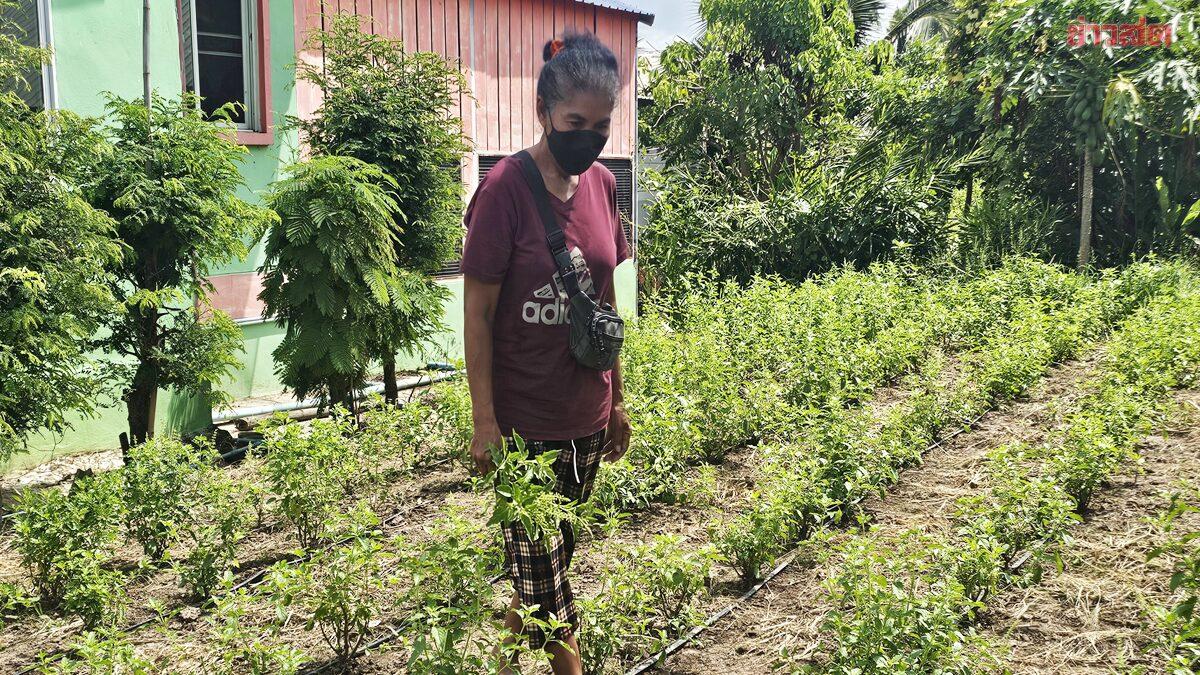
Farmers are calling for clearer guidelines on four newly registered holy basil varieties to avoid potential legal risks, despite government assurances that local varieties remain unaffected.
Following the registration of four new holy basil (kaphrao) varieties—collectively known as 'Kaew Juree 01-04'—by a private company, Thai farmers have expressed significant concern regarding their cultivation rights. According to Khaosod Online, local growers in Kamphaeng Phet province are worried that the lack of clear physical distinctions between these protected varieties and common local basil could lead to unintentional legal disputes if they inadvertently cultivate and sell the registered strains.
While the Ministry of Agriculture and Cooperatives has publicly clarified that the legal protections apply exclusively to the four registered varieties and do not impact traditional or common holy basil found in local markets, farmers remain uneasy. Growers argue that the average person cannot easily distinguish between the protected strains and standard varieties. Consequently, they are urging relevant authorities to provide detailed information and clear visual identifiers for the registered plants to prevent accidental infringement.
For residents and those involved in the local agricultural sector, this situation highlights the ongoing tension between plant variety protection laws and traditional farming practices. While the government maintains that common basil remains free to grow and trade, the lack of public clarity regarding the specific characteristics of the 'Kaew Juree' strains leaves many farmers feeling vulnerable. It remains to be confirmed how authorities will address these calls for public education and whether further guidelines will be issued to distinguish these protected varieties from common crops.
