
Debate Intensifies Over Thailand’s Potential UPOV 1991 Accession
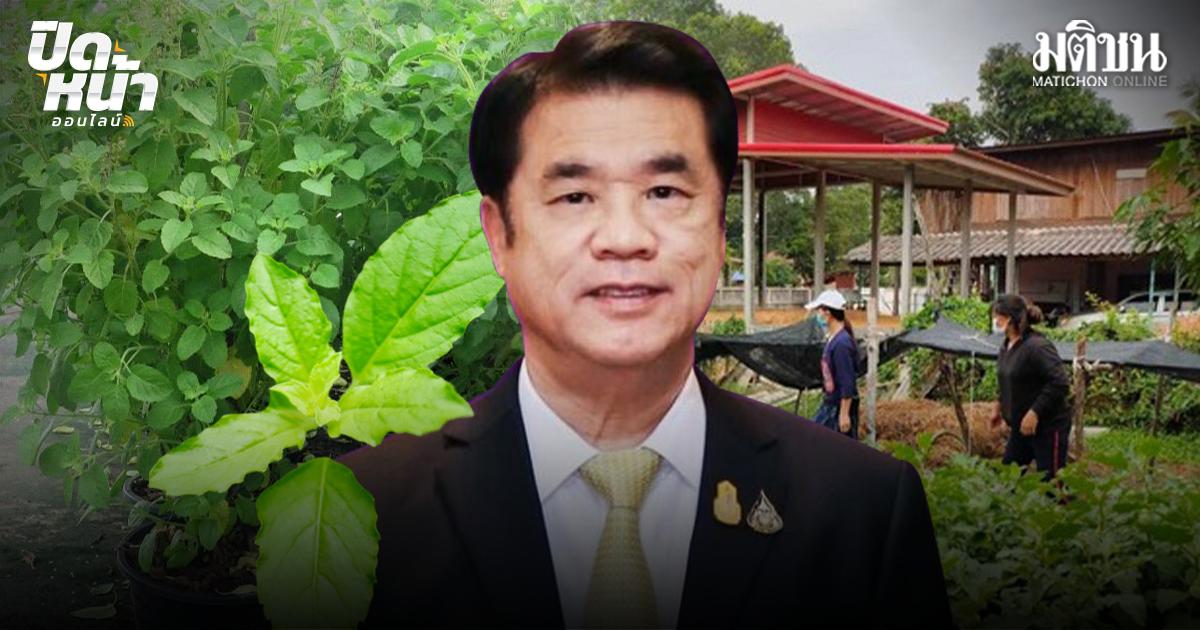
Concerns are rising among Thai agricultural stakeholders regarding the potential impact of joining the UPOV 1991 convention on local farmers.
A recent report from Matichon Online highlights growing apprehension within Thailand’s agricultural sector concerning the country's potential accession to the UPOV 1991 convention. This international agreement, which establishes a legal framework for the protection of new plant varieties, has become a focal point of debate regarding its implications for local farmers and traditional agricultural practices.
For residents and those interested in Thailand’s food security, this issue is significant as it touches upon the future of seed sovereignty and the cost of agricultural inputs. Critics argue that the stringent intellectual property protections mandated by UPOV 1991 could restrict farmers' traditional rights to save and exchange seeds, potentially increasing dependency on large commercial seed suppliers. Proponents, however, often suggest that such frameworks are necessary to encourage innovation and attract investment in the agricultural sector.
As of now, the long-term impact on Thailand’s diverse agricultural landscape remains a subject of intense discussion. It is not yet confirmed whether the government will proceed with full accession or if specific exemptions will be negotiated to protect small-scale farmers. Observers are closely monitoring policy developments to see how the state balances international trade obligations with the protection of local agricultural heritage. Further updates are expected as the legislative discourse continues.
