
Thailand's Oil Fund Deficit Reaches 103 Billion Baht
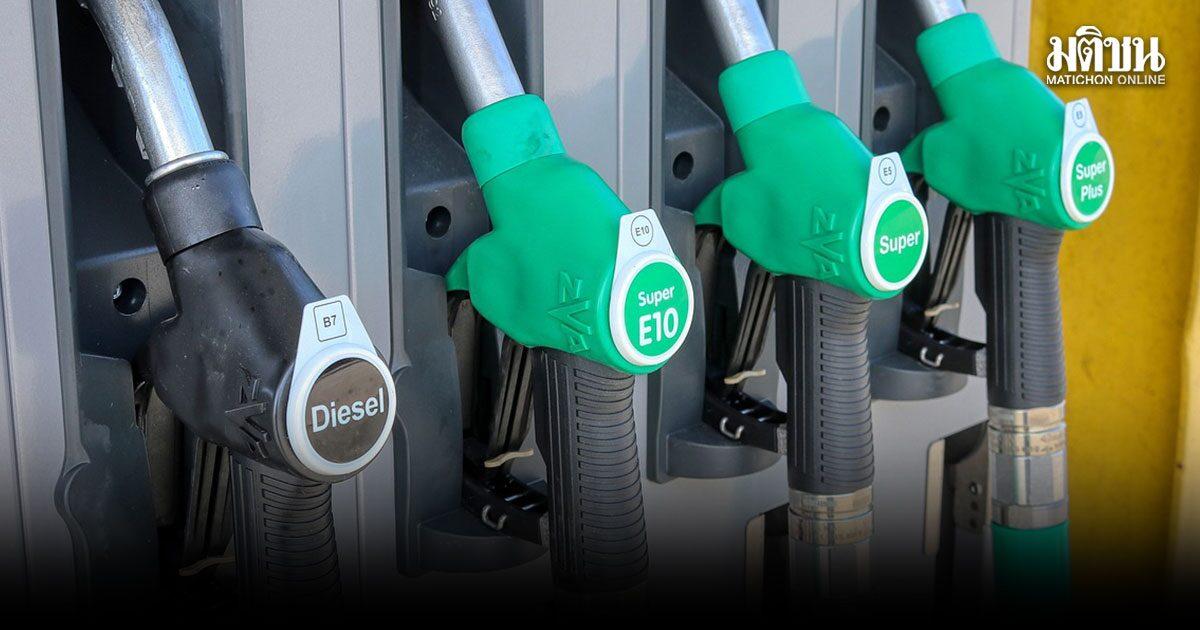
The Oil Fuel Fund Office reports a record deficit of 103 billion baht, prompting the Ministry of Energy to propose five urgent measures to stabilize fuel prices.
According to a report by Matichon Online on October 22, 2026, Thailand's Oil Fuel Fund is facing a significant financial strain, with its deficit climbing to 103 billion baht. In response to this fiscal pressure, the Ministry of Energy has proposed five urgent measures aimed at managing the situation while maintaining support for specific fuel types.
The proposed strategy involves continuing subsidies for B20 diesel and E20 gasohol, while allowing other fuel types to float according to market prices. This move is intended to mitigate the impact of global energy price volatility on domestic consumers and logistics costs.
For residents and travelers in Thailand, this development is significant as it directly influences fuel prices at the pump. While the government is attempting to balance the fund's stability with the cost of living, the potential for fluctuating fuel prices remains a key concern for those managing transportation budgets.
It remains to be confirmed which specific measures will be officially adopted by the cabinet and how quickly these changes will be implemented at service stations nationwide. Observers are waiting for further details on the timeline for these adjustments and the long-term impact on the national energy subsidy framework.
