
The Devil Tree: Understanding the Scent of Alstonia Scholaris in Thailand
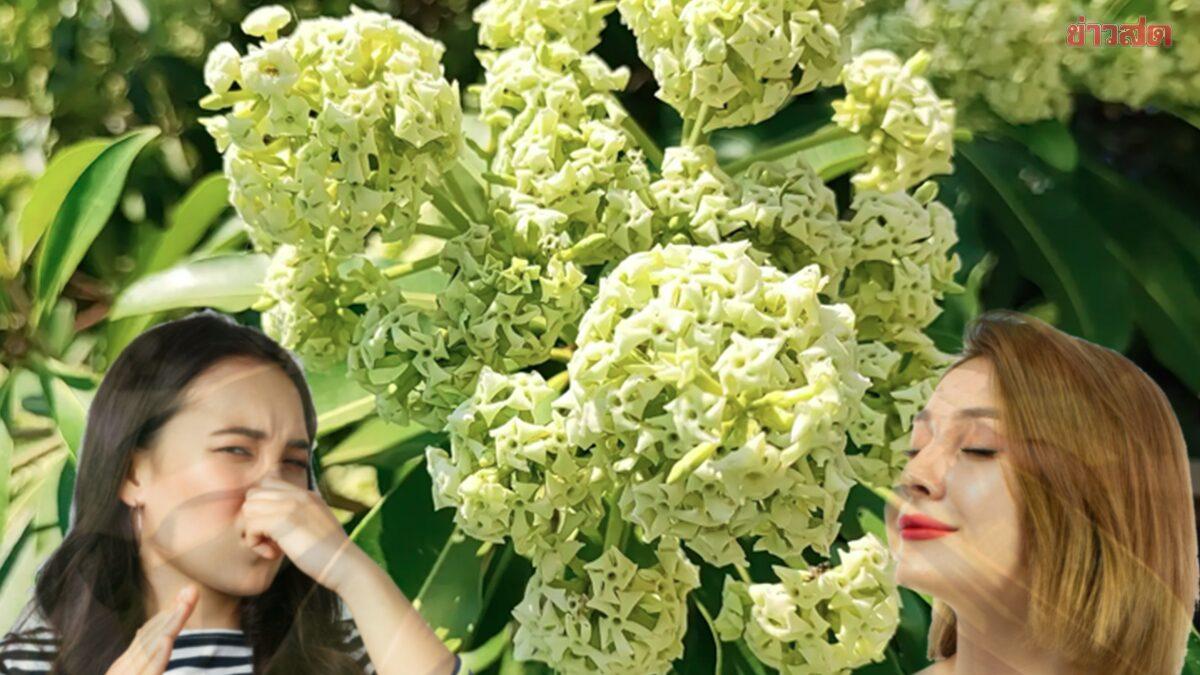
As Thailand transitions into the cool season, the intense fragrance of the Alstonia scholaris, or 'Devil Tree,' sparks debate among residents and visitors.
With the arrival of the cool season in Thailand, the Alstonia scholaris—commonly known as the 'Devil Tree' or 'Phaya Sattaban'—has begun to bloom. According to Khaosod Online, this tall, native Southeast Asian tree is a seasonal marker, often found along roadsides and in open areas. Its white-to-greenish flowers bloom in dense clusters, releasing a potent fragrance that divides public opinion; while some find the scent pleasant, others report it causes dizziness or nausea.
For residents and travelers, the tree is a prominent feature of the landscape, reaching heights of 12 to 20 meters. Beyond its polarizing aroma, the tree holds a significant place in traditional Thai herbal medicine. Various parts of the plant are utilized for their medicinal properties: the bitter bark is traditionally used to stimulate appetite, manage blood sugar levels, and treat respiratory issues like coughs and bronchitis. Additionally, the tree's sap has historically been used for earaches and dental pain, while boiled leaves are sometimes used to address vitamin deficiencies.
While the tree is celebrated for providing shade and signaling the change of seasons, the biological reason behind why individuals perceive its strong scent so differently remains a subject of ongoing discussion. Whether you find the fragrance refreshing or overwhelming, the Devil Tree remains an inescapable and culturally significant part of the Thai environment during the transition to winter.
