
Understanding Mosquito-Borne Disease Risks in Thailand
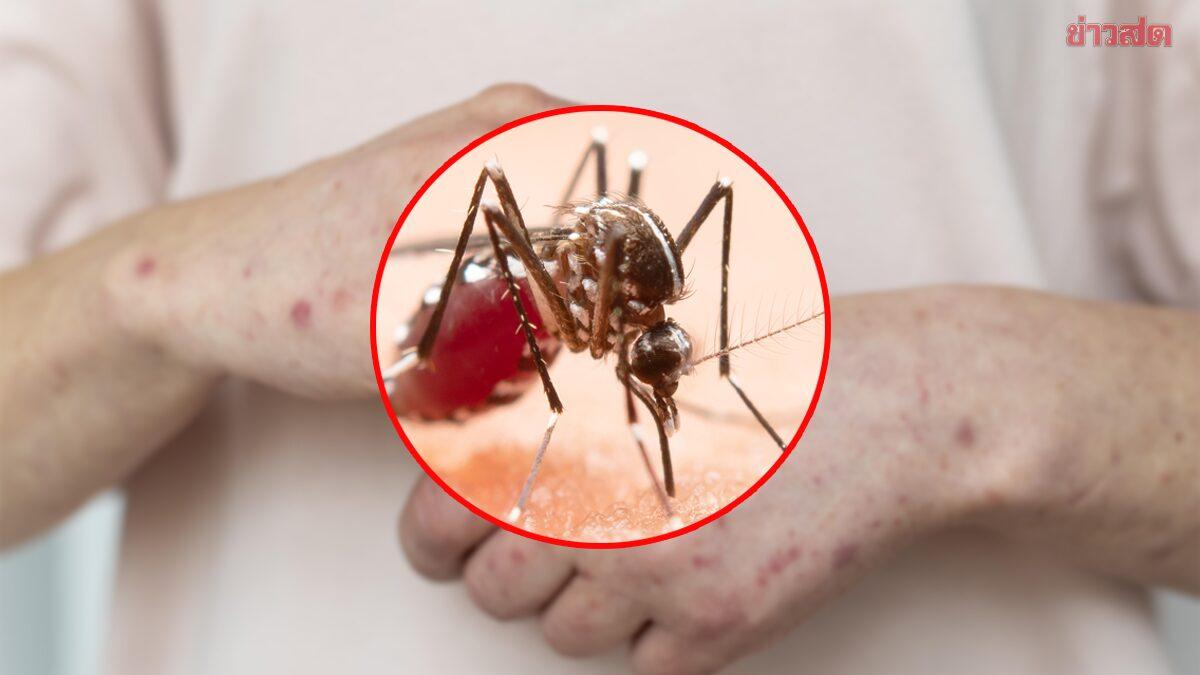
Khaosod Online reports on the dangers of mosquito-borne illnesses, highlighting the role of various mosquito species in transmitting diseases like malaria, dengue, and Zika.
A recent report from Khaosod Online provides an overview of the health risks posed by mosquitoes, which are prevalent in humid environments and areas with stagnant water across Thailand. The report clarifies that while both male and female mosquitoes consume plant nectar for energy, female mosquitoes require blood meals to provide the protein necessary for egg development.
This biological process makes mosquitoes significant vectors for disease transmission. The report identifies specific species associated with various illnesses: Aedes mosquitoes are linked to dengue fever, chikungunya, and Zika virus, while certain Culex species can transmit Japanese encephalitis. Furthermore, the female Anopheles mosquito is highlighted as the primary vector for malaria, a serious condition that can range from mild symptoms like fever, chills, and headaches to life-threatening complications.
For residents and travelers in Thailand, understanding these risks is essential for personal health management. The report emphasizes that mosquitoes are found globally, particularly in regions with high humidity. While the report outlines the mechanisms of transmission and the types of diseases involved, it does not provide specific medical advice or current localized outbreak data. Individuals are encouraged to remain aware of their surroundings and take standard precautions against mosquito bites. Further information regarding specific regional risk levels should be sought from local health authorities.
