
Ancient Chinese Traditions: Why Children Were Named After Animals
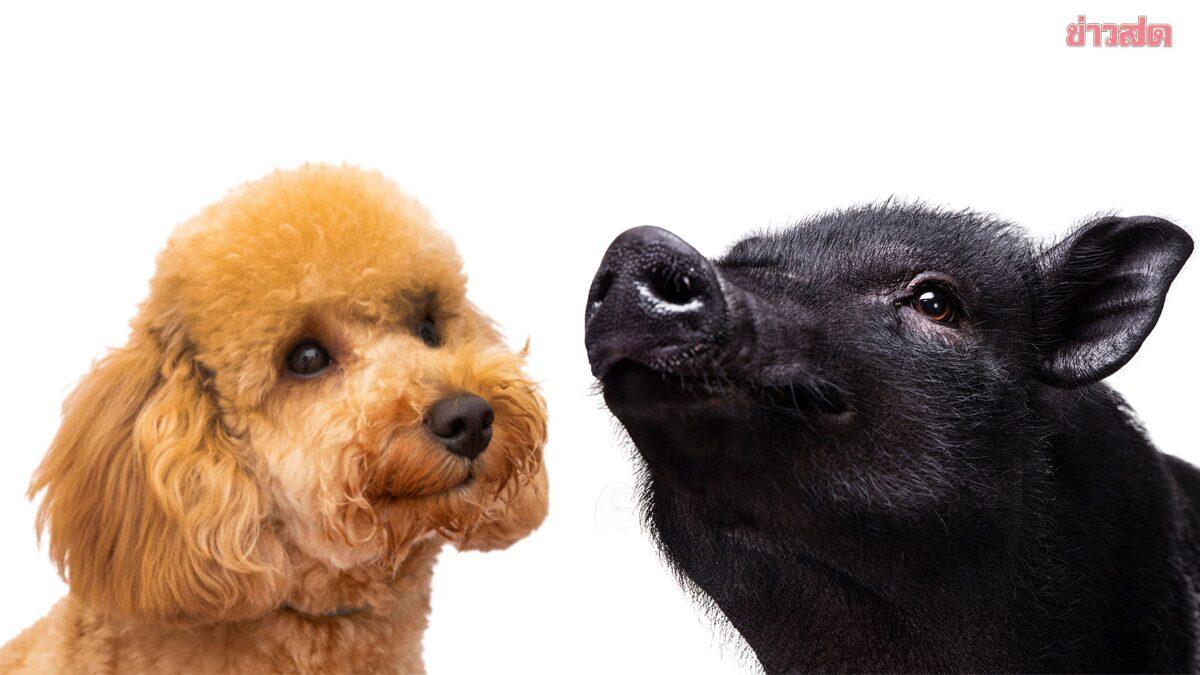
A look into the historical Chinese custom of giving children 'humble' animal nicknames to ward off misfortune and illness.
According to a report by Khaosod Online, historical Chinese families often gave their children nicknames based on animals, such as 'dog' or 'pig.' While these names may seem unusual or even derogatory to modern ears, they were rooted in deep-seated cultural beliefs regarding child protection.
In an era when medical advancements were limited and infant mortality rates were high, parents sought ways to safeguard their children from perceived evil spirits. The tradition was based on the belief that giving a child a 'lowly' or unattractive name would make them uninteresting to malevolent forces, thereby preventing bad luck and ensuring the child grew up healthy and lived a long life. These names were not a sign of neglect; rather, they served as a symbolic talisman of parental love and a desperate hope for the child's survival in a time of high health risks.
For residents and travelers interested in East Asian history, this practice highlights how cultural traditions often evolved as coping mechanisms against the harsh realities of the past. While this specific naming custom is largely a relic of history, it provides insight into the evolution of family values and the lengths to which parents would go to protect their offspring. It remains to be confirmed how widely these specific naming patterns varied across different Chinese provinces or social classes during that period.
