
Mahidol University and Affinome Partner to Develop Melioidosis Diagnostic Kit
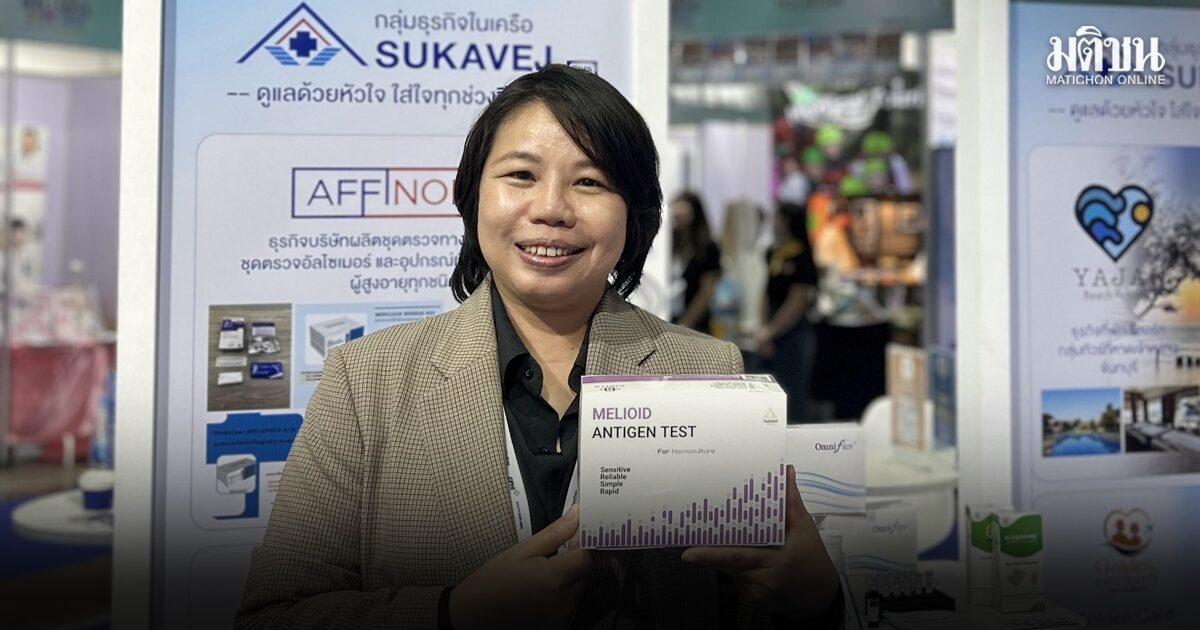
The Faculty of Tropical Medicine at Mahidol University has collaborated with the private sector to create a new diagnostic tool for melioidosis.
According to a report by Matichon Online, the Faculty of Tropical Medicine at Mahidol University has entered into a partnership with Affinome to develop a diagnostic kit for melioidosis, a disease commonly known as 'soil-borne disease' in Thailand.
Why this matters
Melioidosis is an infectious disease caused by the bacterium Burkholderia pseudomallei, which is found in soil and water, particularly in rural areas of Southeast Asia. For residents and travelers, especially those engaging in outdoor activities or agricultural work in endemic regions, early detection is critical for effective treatment. The development of a more accessible or efficient diagnostic tool could significantly improve clinical outcomes and public health monitoring in affected areas.
What remains to be confirmed
While the collaboration has been announced, specific details regarding the timeline for the kit's production, its availability in hospitals, and its regulatory approval status have not yet been disclosed. Further updates from the university or the private partner will be necessary to determine when this diagnostic tool will be ready for clinical use. Residents and visitors are advised to continue following standard health precautions when in contact with soil or stagnant water in rural environments.
