
Health Risks Associated with Chronic Sleep Deprivation
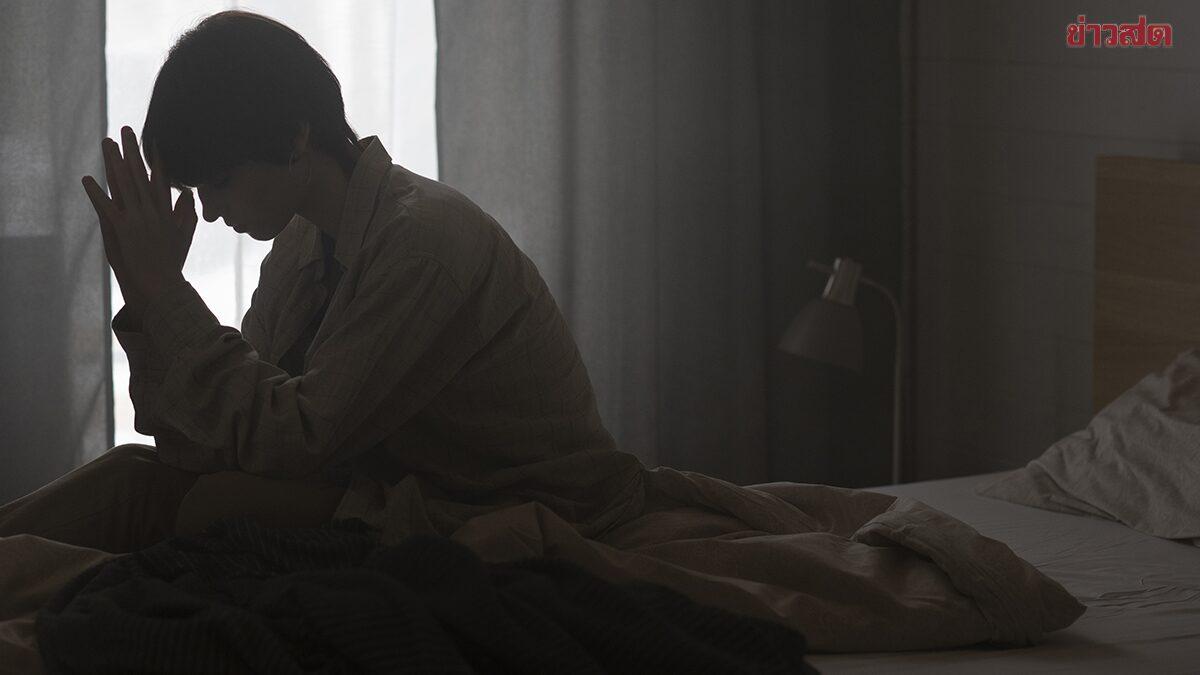
Khaosod Online reports on the significant health risks linked to chronic sleep deprivation and clarifies common misconceptions about 'catch-up' sleep.
According to a recent report by Khaosod Online, chronic sleep deprivation is a growing concern that extends far beyond simple daytime fatigue. Many individuals sacrifice sleep for work, entertainment, or social activities, often believing that sleeping longer on weekends can compensate for lost rest during the work week. Experts clarify that this 'catch-up' sleep strategy is ineffective at reversing the physiological damage caused by a lack of consistent, quality rest.
For residents and travelers in Thailand, understanding these risks is essential for maintaining long-term health. The report highlights that insufficient sleep impairs cognitive functions, including memory, decision-making, and concentration. Furthermore, it weakens the immune system and disrupts hormones that regulate appetite, which can lead to unhealthy eating habits. Beyond physical health, sleep deprivation increases the risk of accidents due to reduced alertness and potential 'microsleep' episodes, which can be particularly dangerous for those commuting or operating machinery.
While the report outlines the general dangers of sleep deficiency, it emphasizes that prioritizing consistent, high-quality sleep is the most effective way to mitigate these risks. Readers are encouraged to adjust their daily habits to ensure adequate rest. As this is a general health advisory, individuals concerned about chronic sleep issues should consult with a medical professional for personalized guidance.
