Health
Arsenic Levels in Mae Sai River Raise Concerns Among Local Farmers
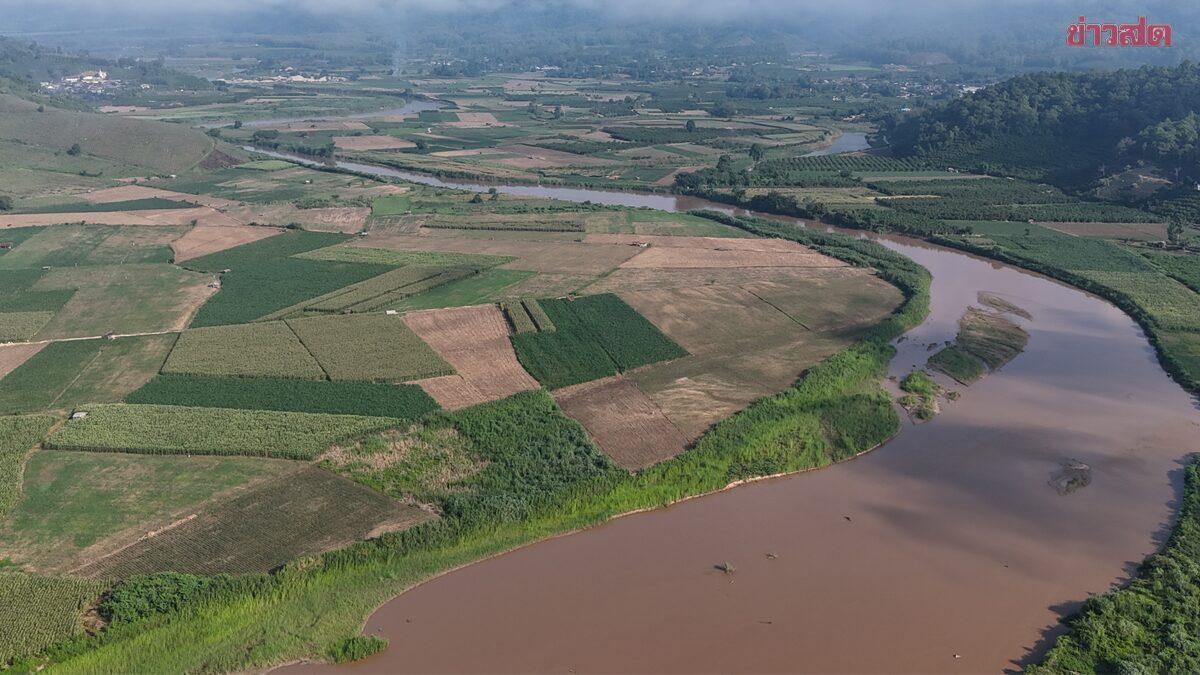
Farmers in Chiang Rai’s Mae Sai district are concerned after pollution tests revealed arsenic levels 28 times above the standard in the local river.
According to a report by Khaosod Online on October 6, 2026, residents and farmers in the Mae Sai district of Chiang Rai province have expressed significant concern regarding water quality in the Sai River. Recent testing by the Pollution Control Department identified arsenic levels 28 times higher than the standard, alongside lead levels exceeding the limit by five times.
Local farmers, who rely exclusively on the Sai River for irrigation, are worried about the impact on their crops and personal health. One farmer noted that while they are aware of the risks, they have no alternative water source and are attempting to minimize direct contact with the water. There are also reports of local fish showing physical abnormalities, such as blisters. Residents are calling for government intervention to address the source of the pollution, which is believed to originate upstream in Myanmar.
For residents and visitors, the Provincial Waterworks Authority (PWA) in Mae Sai has stated that tap water remains safe for consumption. The PWA manager, Komsan Samma, confirmed that the water treatment process effectively removes impurities to meet safety standards, with monthly quality testing conducted. While the PWA maintains that the treated water is safe, the long-term environmental impact on the river ecosystem and the source of the contamination remain critical issues to be monitored by authorities.