
Culture
Exploring Dvaravati Culture: The Significance of the 'Five Ladies' Mural
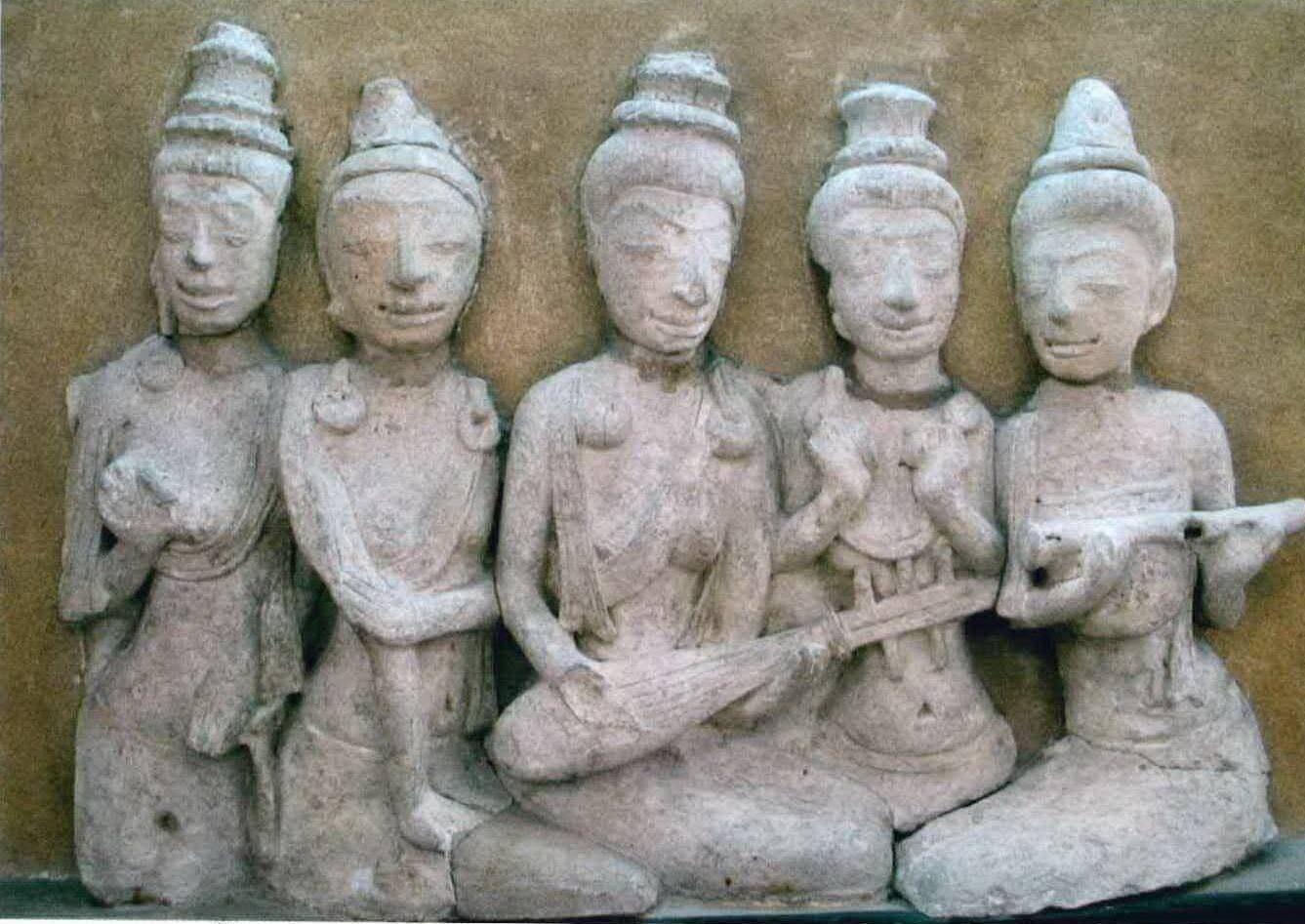
A recent column by Sujit Wongthes highlights the historical and cultural importance of the 'Five Ladies' mural, which depicts traditional Dvaravati-era musical performances.
In a recent column published by Matichon Online, cultural commentator Sujit Wongthes explores the historical significance of the 'Five Ladies' mural. This artwork provides a rare visual window into the Dvaravati period, an ancient civilization that flourished in what is now central Thailand between the 6th and 11th centuries.
The mural depicts five women adorned in traditional 'sabai' (shoulder cloth) attire, engaged in a 'Mahori' musical performance. For residents and travelers interested in Thai history, this depiction serves as a vital reference point for understanding the evolution of classical Thai performing arts and fashion. It illustrates the sophisticated cultural landscape of the Dvaravati era, which laid the groundwork for many artistic traditions still observed in the region today.
For those visiting Thailand, understanding these historical roots adds depth to the experience of exploring ancient archaeological sites and museums. While the mural offers a glimpse into the past, it also highlights the ongoing academic efforts to preserve and interpret Dvaravati heritage. As research continues, historians aim to uncover more details regarding the specific social context of these musical ensembles and how they influenced subsequent artistic developments in Southeast Asia. Visitors are encouraged to look for such historical references when touring national museums to better appreciate the continuity of Thai cultural identity.