Culture
Exploring the Historical Roots of the Phuan People in Prachin Buri
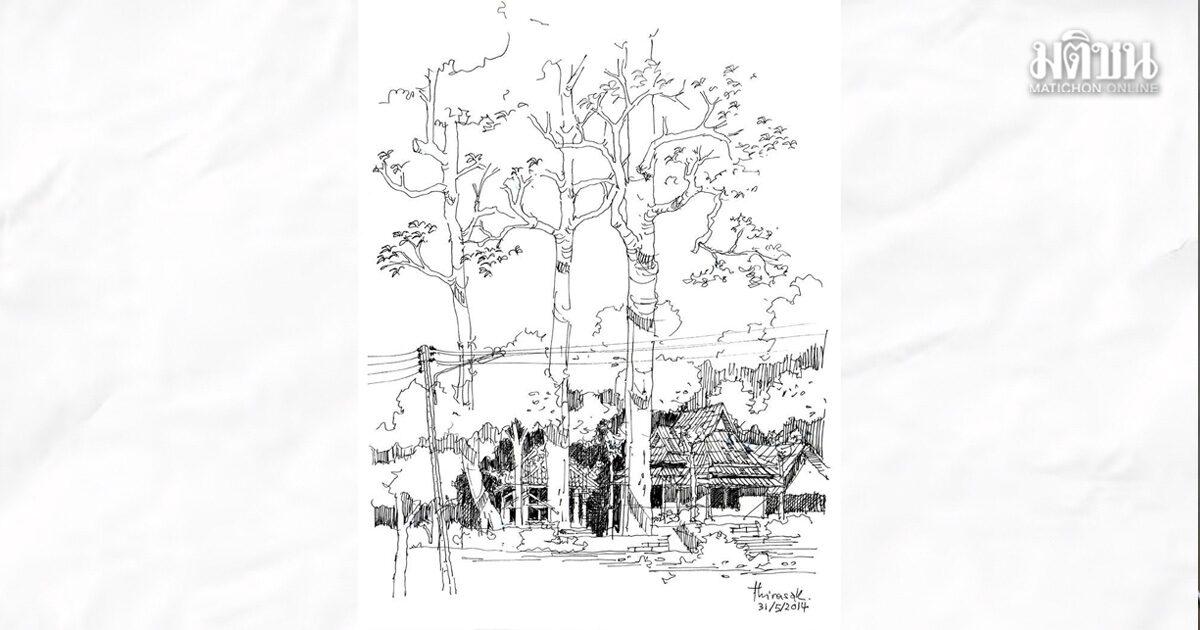
A recent column in Matichon Online highlights the historical significance of the Phuan community in Prachin Buri, specifically focusing on their unique architectural heritage.
In a recent column published by Matichon Online, cultural commentator Sujit Wongthes explores the historical origins of the 'Phuan' people residing in Prachin Buri province. The article emphasizes that local place names often serve as vital markers of historical identity and migration patterns.
A central focus of the discussion is the presence of pagodas built in the style of Xieng Khouang, a region historically associated with the Phuan people. These architectural structures serve as tangible evidence of the cultural lineage and historical movements of the community within Thailand.
For residents and travelers interested in Thai history, this insight offers a deeper understanding of the diverse ethnic tapestry that makes up the nation. Recognizing these architectural markers can provide a more profound context when visiting historical sites in Prachin Buri, as it highlights the connection between local geography and the ancestral heritage of the Phuan people.
While the column provides a scholarly perspective on the historical significance of these sites, further archaeological or official documentation may be required to fully map the extent of these architectural influences across the region. Those interested in cultural tourism may find this information useful for planning educational visits to local heritage sites.