Culture
The Legacy of Luang Pu Nak’s Sacred Phra Pidta Amulets
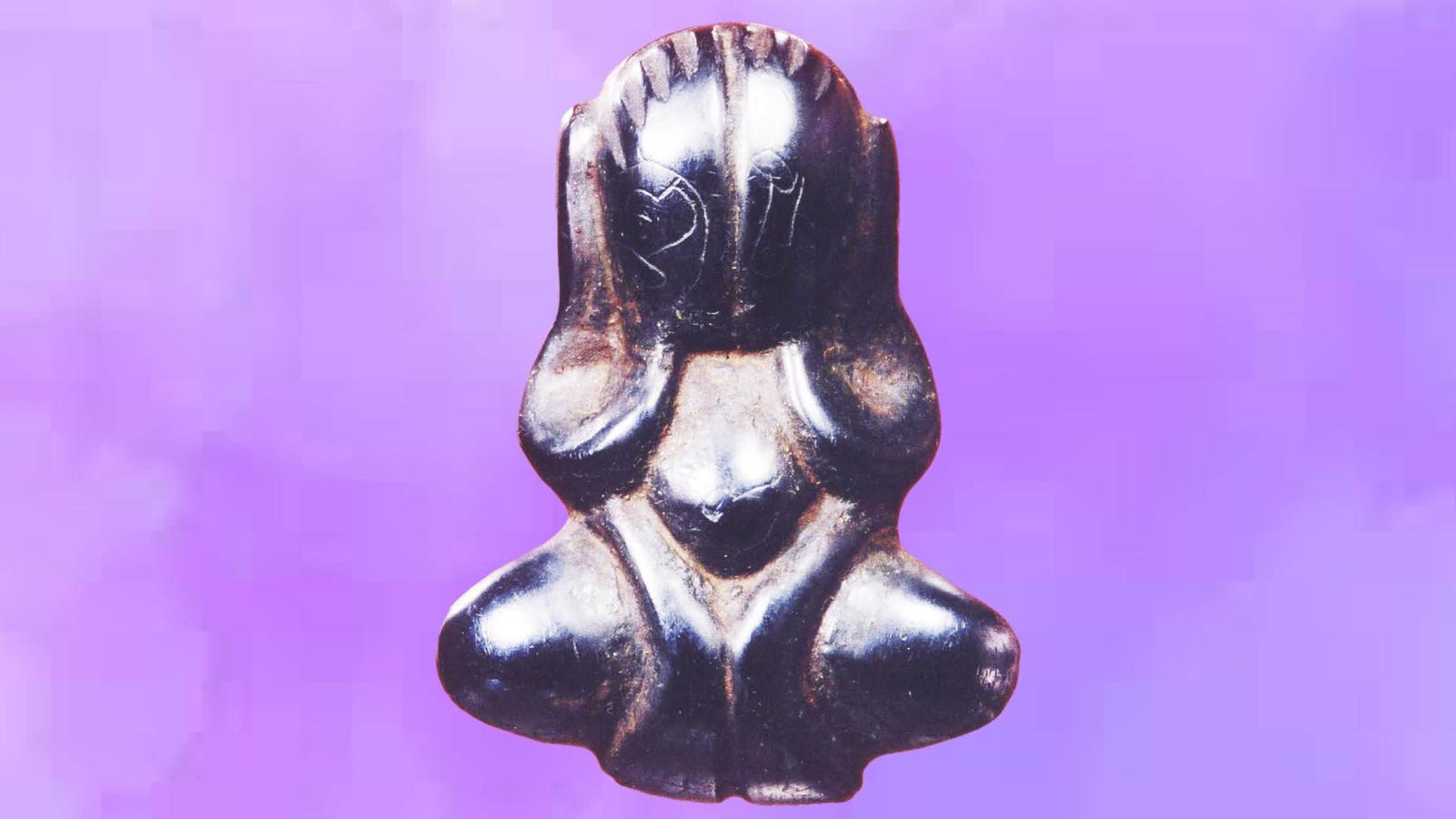
Khaosod Online explores the historical significance and unique alchemical creation process of the renowned Phra Pidta amulets by Luang Pu Nak of Wat Huay Chorakhe.
Khaosod Online recently highlighted the enduring cultural legacy of Luang Pu Nak Chotiko, a revered monk from Wat Huay Chorakhe in Nakhon Pathom. He is best known for crafting 'Phra Pidta' amulets using 'Mekaphat,' a sacred black alloy created through ancient Thai alchemy. This material is a complex mixture of lead and copper, infused with various medicinal herbs and minerals like sulfur and mercury during a rigorous smelting process.
Historical records indicate that Luang Pu Nak began producing these amulets between 1889 and 1892. While early versions varied in composition, collectors eventually categorized the most popular designs into three distinct styles: 'Thong Faep' (flat belly), 'Thong Pong' (protruding belly), and 'Hu Kratai' (rabbit ear). A fascinating local legend surrounds the consecration of these items, claiming the monk would submerge himself at the temple pier to engrave sacred characters underwater, with the amulets reportedly floating to the surface upon completion.
For residents and travelers interested in Thai spiritual heritage, these amulets represent a unique intersection of metallurgy and Buddhist devotion. While these pieces are highly sought after by collectors, those interested in acquiring them should be aware that the market for historical amulets is complex. Authenticity remains a primary concern, and potential collectors are encouraged to consult with reputable experts to verify the provenance of any items they encounter.