General
Addressing Food Chain Vulnerabilities Amid Rising Global Temperatures
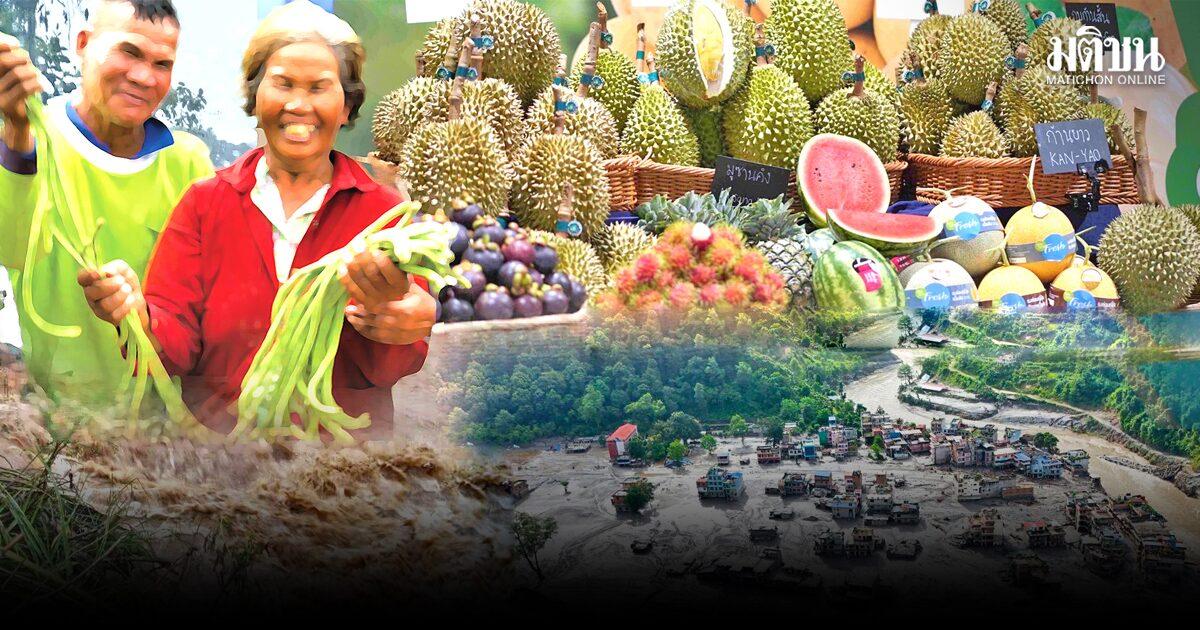
Matichon Online reports on the urgent need to secure food supply chains against the increasing frequency and intensity of natural disasters.
As global temperatures continue to climb, the stability of food supply chains is facing unprecedented pressure. A recent report from Matichon Online highlights the critical necessity of developing robust strategies to mitigate the impact of natural disasters on food production and distribution systems.
For residents and travelers in Thailand, this issue is particularly relevant. Thailand is a major global food exporter, and its agricultural sector is highly sensitive to climate-related disruptions. Disruptions in the food chain can lead to price volatility, supply shortages, and potential changes in the availability of local produce. Understanding these vulnerabilities is essential for those monitoring the long-term economic and environmental health of the region.
While the report emphasizes the urgency of the situation, it remains to be seen which specific policy frameworks or technological interventions will be prioritized by authorities to protect the food supply. The exact timeline for the implementation of these protective measures is not yet confirmed. Stakeholders are currently evaluating how to balance immediate economic needs with the long-term requirement for climate resilience. Further updates are expected as government and private sector entities continue to discuss strategies for safeguarding the nation's food security against the backdrop of a changing climate.