General
Exploring the Culinary Potential of Wood Apple in Thai Cuisine
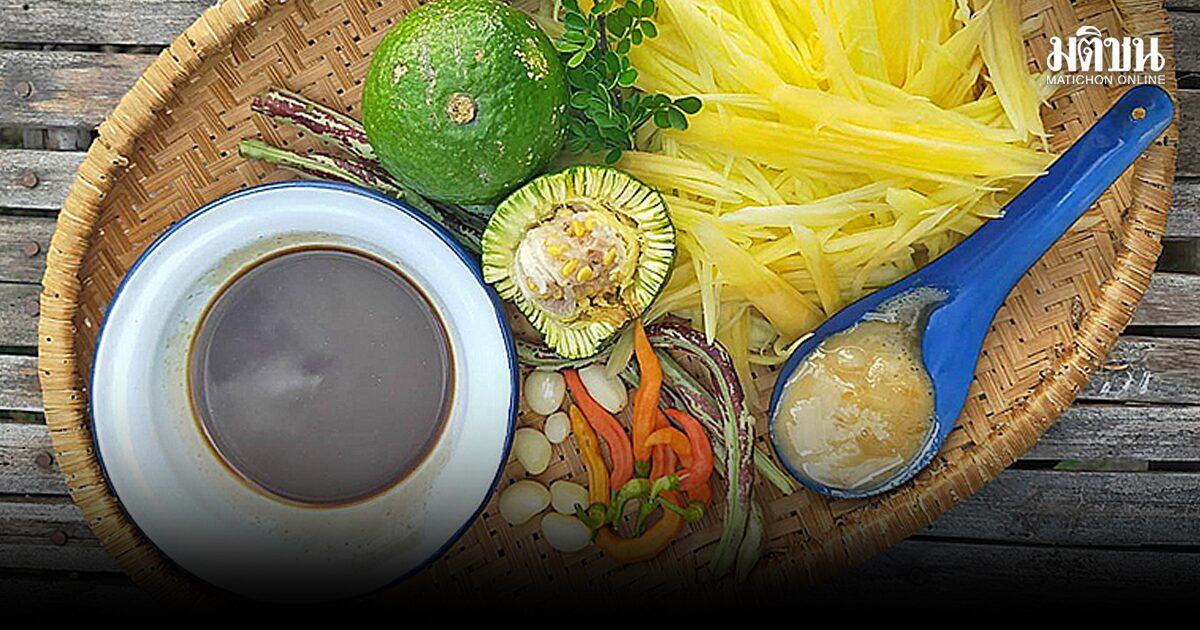
Matichon Online highlights the traditional use of wood apple (ma-sang) as a unique souring agent in Thai cooking.
A recent report from Matichon Online explores the culinary applications of the wood apple, known in Thai as 'ma-sang.' Traditionally utilized by older generations, particularly those with backgrounds in archaeology and local history, this fruit is gaining attention as a distinct alternative to more common souring agents like lime or tamarind.
For travelers and residents in Thailand, the wood apple offers a unique opportunity to experience authentic, lesser-known regional flavors. Its inclusion in 'tam som' (spicy salad) preparations provides a complex, tart profile that differs significantly from standard street food offerings. This ingredient reflects the deep connection between Thai culinary traditions and the local environment, showcasing how indigenous fruits continue to influence contemporary food culture.
While the report emphasizes the fruit's historical and cultural significance, it remains to be seen how widely this ingredient will be adopted in mainstream commercial dining. Those interested in exploring traditional Thai gastronomy may find wood apple dishes in specialized local eateries, though availability remains seasonal and localized. As interest in heritage ingredients grows, the wood apple serves as a reminder of the diverse botanical resources that define the Thai palate.