
Travel
Udon Thani: reading Phu Phrabat as a sacred cultural landscape
Last reviewed: 2026-07-16
Written by Ricardo Dos Santos
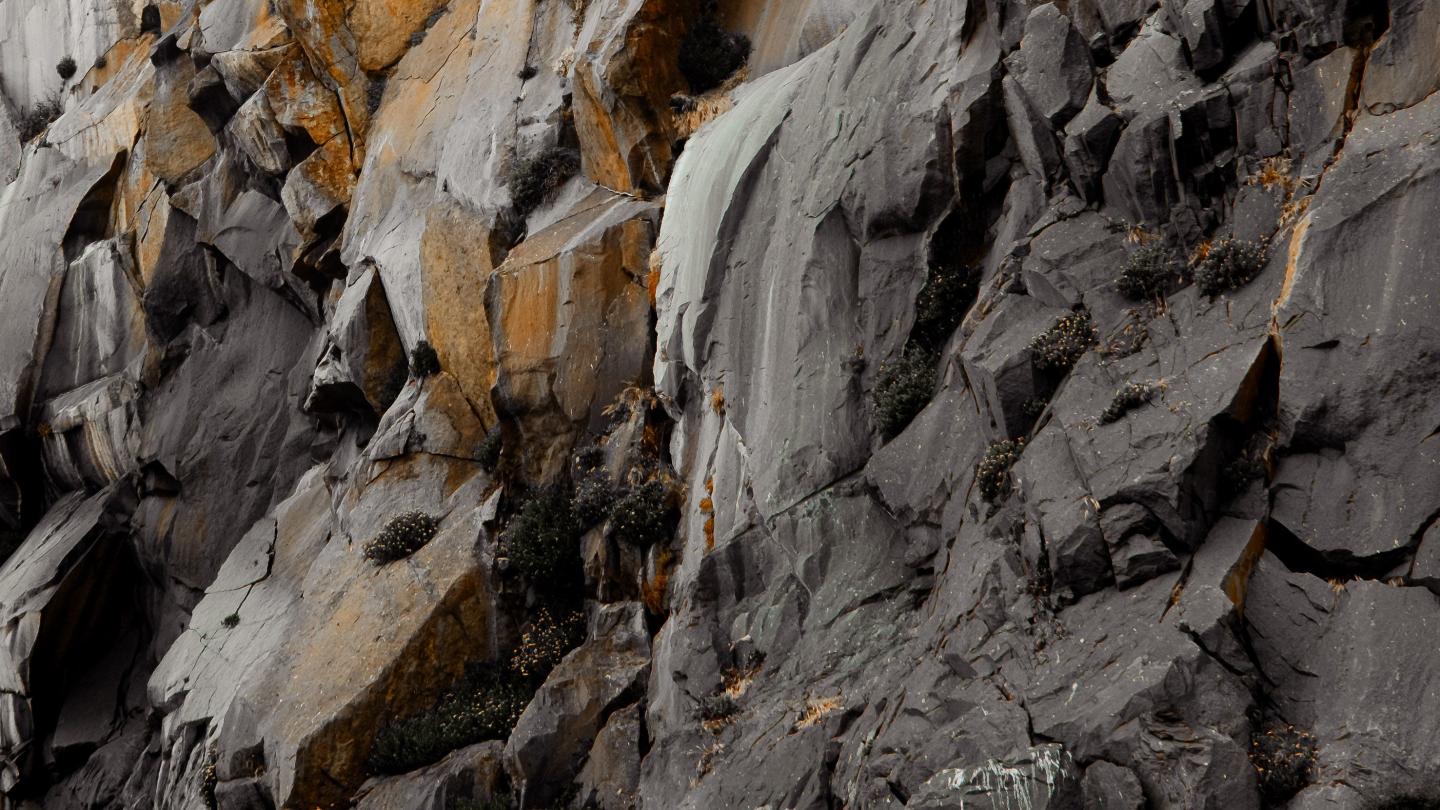
A UNESCO-source guide to Phu Phrabat’s rock shelters and Sīma stone tradition, with a conservation-first approach to visiting the protected landscape.
Why Phu Phrabat is exceptional
UNESCO inscribed Phu Phrabat on the World Heritage List in 2024 as testimony to the Sīma stone tradition of the Dvaravati period. The property combines a distinctive rock-shelter landscape with evidence of prehistoric use and later Buddhist sacred boundaries. This layered significance means the visit should be read as a cultural landscape, not as a collection of isolated rock shapes.
Understand Sīma in the landscape
UNESCO explains that Sīma stones marked sacred areas for Buddhist activity and that Phu Phrabat preserves an exceptional in-situ body of this tradition on the Khorat Plateau. Look for the relationship between the stones, shelters and terrain rather than approaching each feature as a separate object. Use official interpretation to distinguish documented heritage from local stories.
Respect prehistoric and religious evidence
Rock art, stone markers and archaeological surfaces are irreplaceable evidence. Do not touch, trace, wet, climb or lean on them, and never cross a conservation barrier for a photograph. Religious meaning also continues beyond the archaeological record, so behave quietly around sacred areas and follow any current instruction concerning worship.
Prepare for an outdoor heritage visit
The property is a landscape, so weather, heat, rain and uneven ground affect the route. Wear suitable footwear, carry water where allowed and choose a public circuit compatible with your mobility. Stay on marked paths to protect both visitors and heritage. If part of the route closes, use the available interpretation rather than attempting an unofficial detour.
Give the site enough time
Phu Phrabat deserves to be the principal focus of the outing from Udon Thani rather than a hurried add-on. Leave transport and daylight margin, read the site information and accept that understanding the relationship between nature and sacred use takes time. Do not rely on an old map for current circulation.
Current management comes first
UNESCO describes a protected property led by Thailand’s Fine Arts Department with other public authorities and local participation. Opening arrangements, visitor capacity, conservation work and photography rules remain operational decisions. Verify them through the responsible authority before departure and treat on-site instructions as final.
Sources and review
This original SawaLife guide was researched and reviewed before publication. Operational details, access, weather, conservation rules, ceremonies and local instructions can change. Verify current official information before travelling.