
Travel
Phuket: Wat Chalong, the temple that sheltered a rebellion's wounded
Last reviewed: 2026-07-16
Written by Ricardo Dos Santos
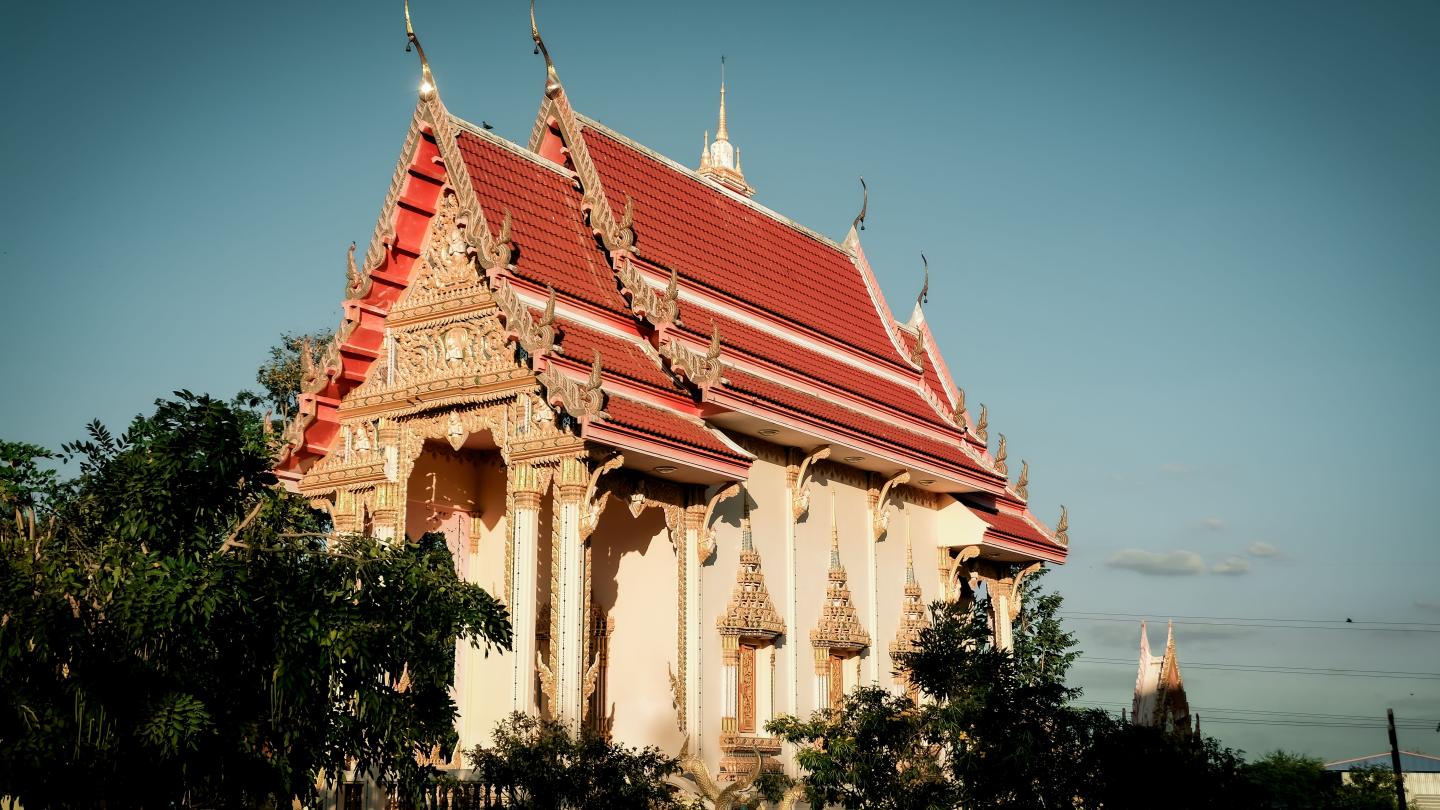
Wat Chalong owes its fame to a 19th-century rebellion its monks helped survive — and it's still a working temple, not a monument.
A temple born from an uprising
Wat Chalong's full name is Wat Chaiyathararam, but almost no one uses it. The temple owes its fame to 1876, when Chinese tin-mine labourers rose up in what became known as the Ang Yi rebellion, attacking mining camps and a nearby town. Two monks then resident at the temple, Luang Pho Chaem and Luang Pho Chuang, organised local villagers to defend Chalong and used their knowledge of herbal medicine to treat the wounded on both sides. Luang Pho Chaem, who lived until 1908, remains the most venerated monk in Phuket's history; his statue, alongside Luang Pho Chuang's, still receives gold leaf and incense from visitors who have never opened a history book on the rebellion.
The chedi that holds a splinter of bone
The temple's dominant structure is a 60-metre chedi, built on three tiered levels that visitors can climb inside. It houses what devotees believe is a fragment of the Buddha's breastbone, displayed behind glass on the upper level alongside murals depicting the Buddha's life. Climbing to the top is less about the relic itself than the view it grants: a wide look over Chalong's low rooftops toward the hills that separate this side of the island from the beach resorts most visitors never leave.
A working temple, not a museum piece
Wat Chalong opens at 7:00 a.m. and closes at 5:00 p.m., with no entry fee — donation boxes are placed discreetly rather than at a ticket counter. Monks live and study on the grounds, ordinations and merit-making ceremonies happen on ordinary weekdays, and the compound routinely hosts far more Thai visitors than foreign ones. That imbalance is worth noticing: this is one of the few major Phuket sites where tourism is a secondary activity layered onto an active religious institution, not the other way around.
What the etiquette actually protects
Cover shoulders and knees before entering any building — sarongs are sometimes available to borrow near the entrance, but arriving already dressed avoids a wait. Remove shoes at chapel doors, keep your head lower than seated monks or Buddha images where practical, and never let the soles of your feet point toward a statue when sitting. These aren't arbitrary rules for visitors; they're the same conduct expected of Thai worshippers, which is part of why the temple still feels lived-in rather than staged.
Getting there and timing the visit
Wat Chalong sits about 8 kilometres from Phuket Town and roughly 20 minutes by car from Patong, reachable by metered taxi, ride-hailing app or the regional songthaew network running along Chao Fah Road. Most visits run 45 minutes to an hour: enough time for the main chedi, the ordination hall with its ceiling murals, and the market stalls that spill from the car park toward the entrance selling amulets, birds released for merit, and the temple's own herbal remedies — a direct, still-functioning echo of 1876.
Verification before travel
This SawaLife guide was researched and reviewed before publication. Opening hours, ceremonies and access conditions can change. Verify current official information before travelling via the Tourism Authority of Thailand — Phuket cultural route.