
Must-See
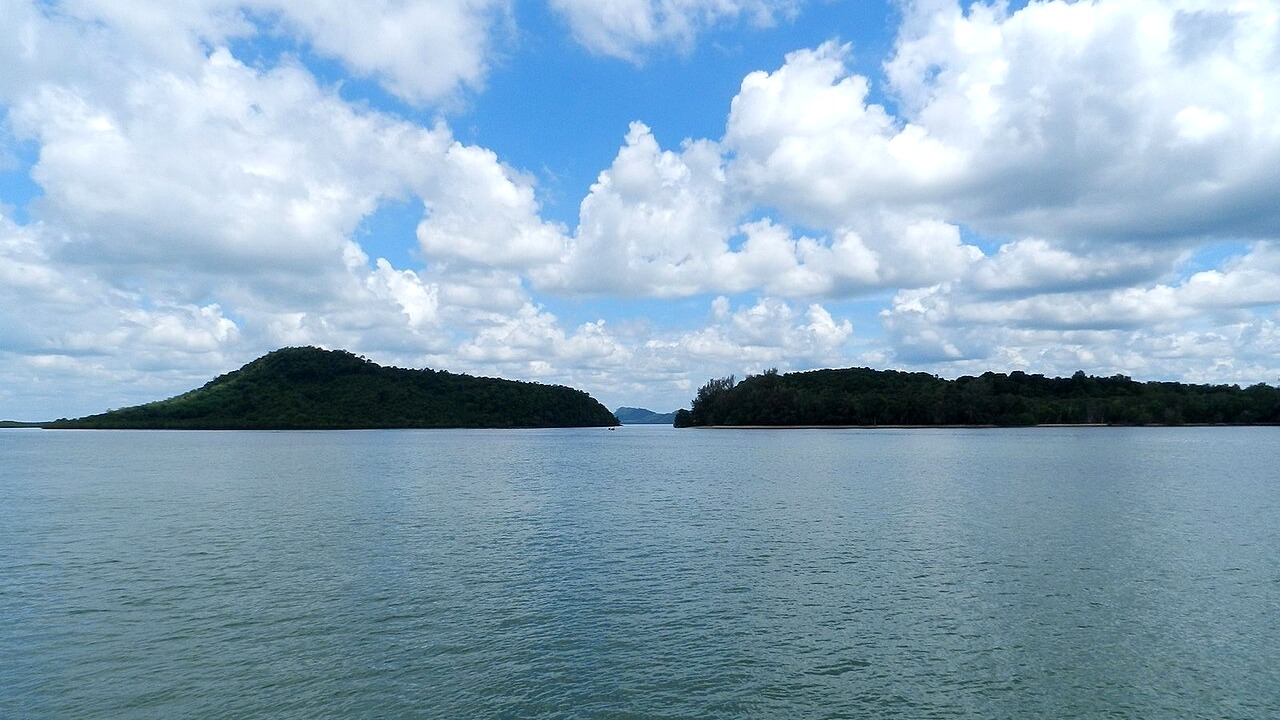
Koh Jum, also known as Koh Pu, sits between Koh Lanta and Koh Phi Phi in Krabi province and has stayed deliberately low-key, with a small local community and modest tourist development. It can work as a genuine slower-paced base for people who want island life without the density of its better-known neighbours, provided expectations about services stay realistic.
Village life and a quiet beach coast
The island combines a small fishing village with a modestly developed beach coastline, and the two offer different daily rhythms — one closer to local shops and community life, the other quieter and more resort-oriented. Spend time in both before choosing where to base yourself.
Ferries link to Lanta and the mainland, with seasonal gaps
Boat services connect Koh Jum to Krabi and Koh Lanta, generally more frequent than on the smaller Trang or Satun islands, but still reduced and less reliable during the monsoon season, when some routes and resorts scale back or close. Confirm current schedules before planning travel-dependent commitments.
Basic healthcare, real local shops
There is no hospital on Koh Jum, so anything beyond minor care means a boat trip to Krabi. Unlike some smaller islands nearby, there is a functioning local village economy with basic shops, which softens some of the isolation compared to islands without any settlement at all.
Moderate cost, calmer than its neighbours
Koh Jum tends to be less expensive than Lanta or Phi Phi for a comparable stay, reflecting its lower-key development, though it still carries an island cost premium over mainland Krabi. Compare a full month of housing, transport and supplies rather than a single night's rate.
Before choosing Koh Jum
- Spend time in both the village and the beach coast before choosing a base.
- Confirm ferry schedules to Krabi and Koh Lanta for your intended season.
- Identify the nearest hospital in Krabi and the realistic travel time to reach it.
- Compare a full monthly budget against Lanta or Phi Phi, not just nightly rates.
Sources and review
This original SawaLife planning guide was reviewed on 14 July 2026. The links below are context sources, not endorsements of a personal decision. Service hours, routes, weather, prices and local conditions can change.
Things to See & Visit
Must-See Places & Recommendations in Koh Jum
Explore iconic landmarks, revered temples, pristine natural wonders, and cultural gems curated by SawaLife.
Local weather
Weather in Koh Jum
Local weather
30 °C
Cloudy · Feels like: 34.6 °C
Provider observation: 2026-09-25T03:00 (Asia/Bangkok)
Source: Open-Meteo
View weather sourceModelled AQI
AQI 35
Good · PM2.5: 9.4 µg/m³
Updated by SawaLife: 2026-09-24 20:00:50 UTC
Modelled source: Open-Meteo / CAMS Global
View air-quality sourceThis is a modelled air-quality estimate, not a local sensor measurement or health alert. Follow official local guidance.
City profile
Source-backed city profile
These nine planning signals are separate, reviewed criteria. They do not produce an overall rank or a personal recommendation.
9 of 9 current criteria are available.
How these city signals are produced
SawaLife city context methodology
- Purpose
- Nine independent planning signals describe relative city context. They are never combined into a total, ranking, winner or personal recommendation.
- Scale interpretation
- Each whole-number value uses a 0–100 contextual scale defined for its own criterion. A higher value means a stronger presence of that named context; it is not a percentage, probability, live measurement or guarantee.
- Source policy
- Every published value keeps its identifiable primary source, supporting source bundle, capture date and staff review. Volatile weather and air-quality readings stay separate. Unsupported commercial indexes and inferred values are excluded.
- Version
- city-score-v2
- Effective from
- 2026-07-14
- Staff reviewed
- 2026-07-15