
Cost of Living
The Real Cost of Living in Thailand in 2026: Detailed Budget Breakdown
Last reviewed: 2026-09-23
Written by Ricardo Dos Santos
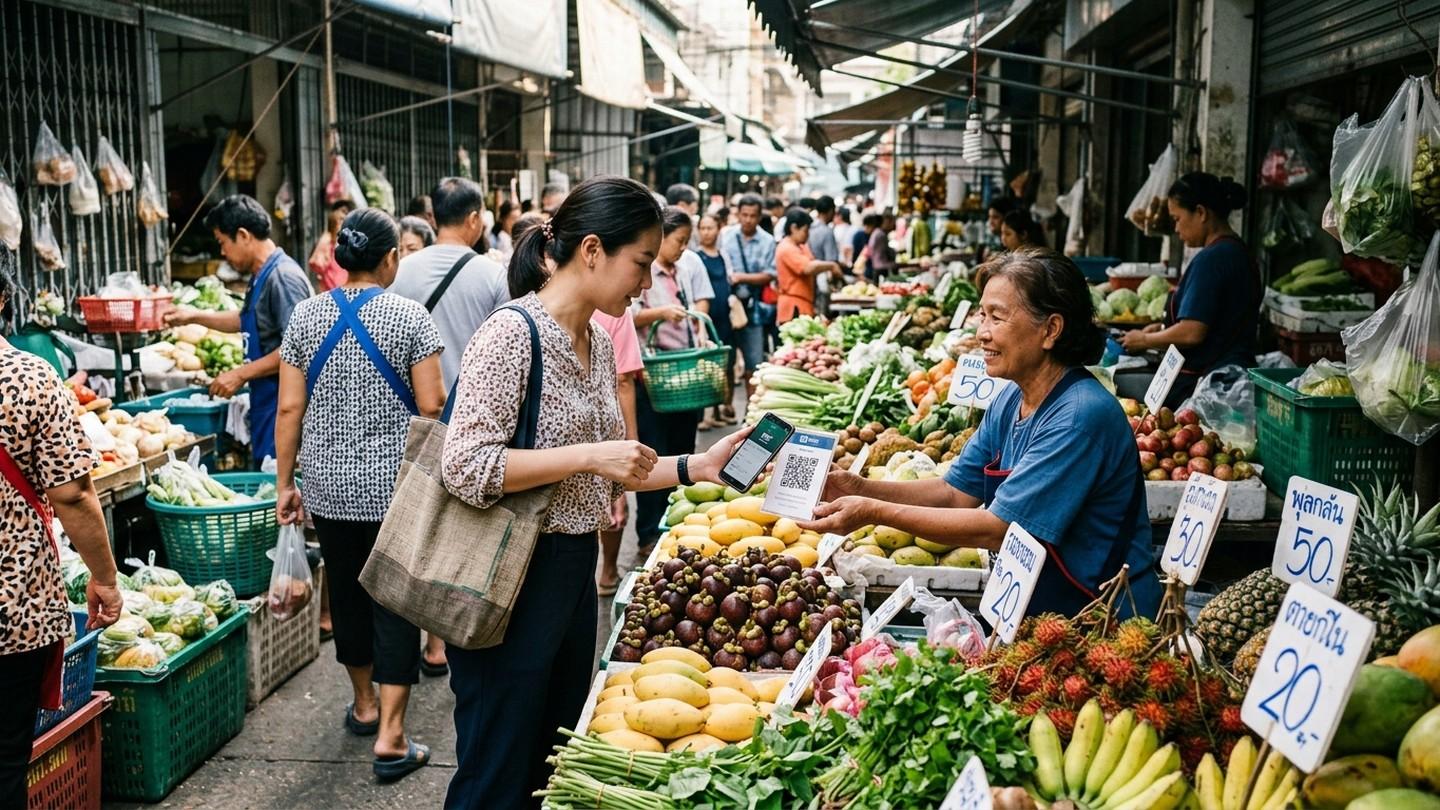
Comprehensive 2026 economic analysis: realistic monthly budgets for singles and families, electricity spikes, private healthcare, and local vs imported groceries.
The myth of living luxuriously in Thailand for $500 a month belongs to 1990s travel lore. In 2026, while Thailand remains remarkably good value compared to North America or Western Europe, the actual cost of long-term residence depends heavily on your housing standards, eating habits, and health coverage requirements.
1. Three Realistic Monthly Budget Models for 2026
Here is a detailed breakdown of monthly living expenses across three typical expat profiles:
| Monthly Expense Category | Frugal Solo (Chiang Mai / Isan) | Comfortable Solo (Bangkok / Hua Hin) | Expat Family (2 Adults + 1 Child in Bangkok/Phuket) |
|---|---|---|---|
| Housing (Modern Condo / Pool Villa) | 9,000 – 14,000 THB | 22,000 – 35,000 THB | 45,000 – 80,000 THB |
| Utilities (MEA/PEA Electric, Water, 1Gbps Fiber) | 2,000 – 3,500 THB | 4,500 – 7,000 THB | 8,000 – 14,000 THB |
| Food & Dining (Local markets vs Western dining) | 10,000 – 15,000 THB | 20,000 – 32,000 THB | 38,000 – 60,000 THB |
| Transportation (Motorbike / Transit / Family SUV) | 2,500 – 4,000 THB | 5,000 – 9,000 THB | 14,000 – 25,000 THB |
| Comprehensive Health Insurance (IPD + OPD) | 3,500 – 5,500 THB | 6,500 – 12,000 THB | 18,000 – 32,000 THB |
| Fitness, Hobbies & Social Life | 4,000 – 8,000 THB | 12,000 – 22,000 THB | 20,000 – 40,000 THB |
| Annual Visa Sinking Fund & Legal Retainers | 1,500 – 2,500 THB | 3,000 – 5,000 THB | 6,000 – 10,000 THB |
| International Schooling (per child) | — | — | 35,000 – 75,000 THB / month |
| TOTAL ESTIMATED MONTHLY | 32,500 – 52,500 THB (~$900 – $1,450) | 73,000 – 122,000 THB (~$2,050 – $3,450) | 184,000 – 336,000 THB (~$5,150 – $9,450) |
2. Unanticipated Costs for Newcomers
Electricity Consumption and Climate Realities
Official utility electricity tariffs (MEA in Bangkok, PEA in the provinces) average 4.20 to 4.80 THB per kWh.
- Running inverter air conditioners for 14 hours daily costs between 3,500 and 5,500 THB per month.
- Older residential buildings lacking insulation and inverter units frequently see monthly electric bills surpassing 8,000 to 11,000 THB.
Sub-metering markups: Ensure your lease contract specifies that utility bills are paid directly at government rates. Landlords charging flat rates of 8 to 10 THB/unit are operating against Consumer Protection Board standards.
Grocery Shopping: Local vs Western Diet
- Local food: Traditional fresh markets (Talat) offer seasonal fruits, vegetables, eggs, and chicken at a fraction of Western supermarket prices.
- Imported goods: Western dairy, European cheese, wine, and Australian steaks at Gourmet Market or Villa Market carry heavy customs duties that can quickly triple your grocery expenses.
3. Geographic Price Disparities Across Thailand
- Bangkok: Higher condo rents in prime central zones (Sukhumvit, Silom, Ari), balanced by inexpensive rapid mass transit (BTS/MRT) and high hospital density.
- Phuket & Samui: Islands command a 20% to 35% premium on transportation, dining out, and residential villa rentals.
- Chiang Mai & Hua Hin: Premier quality-to-cost ratio, offering modern living at rents 35% lower than Bangkok.
- Isan & Provincial Heartland: Ultra-low cost of living for retirees willing to adopt a fully localized Thai lifestyle.
4. Frequently Asked Questions (FAQ)
What is a comfortable monthly income for a single expat in 2026?
A net income of 60,000 to 80,000 THB (approx. $1,700 to $2,250 USD) provides an excellent standard of living, including a modern high-rise condo, private medical insurance, and regular leisure activities.
What is the standard rental deposit in Thailand?
The standard deposit for a 12-month lease is 2 months of security deposit plus 1 month of rent in advance.