
Travel
Plan Thailand’s coasts by season, not by a single “best time” label
Last reviewed: 2026-07-16
Written by Ricardo Dos Santos
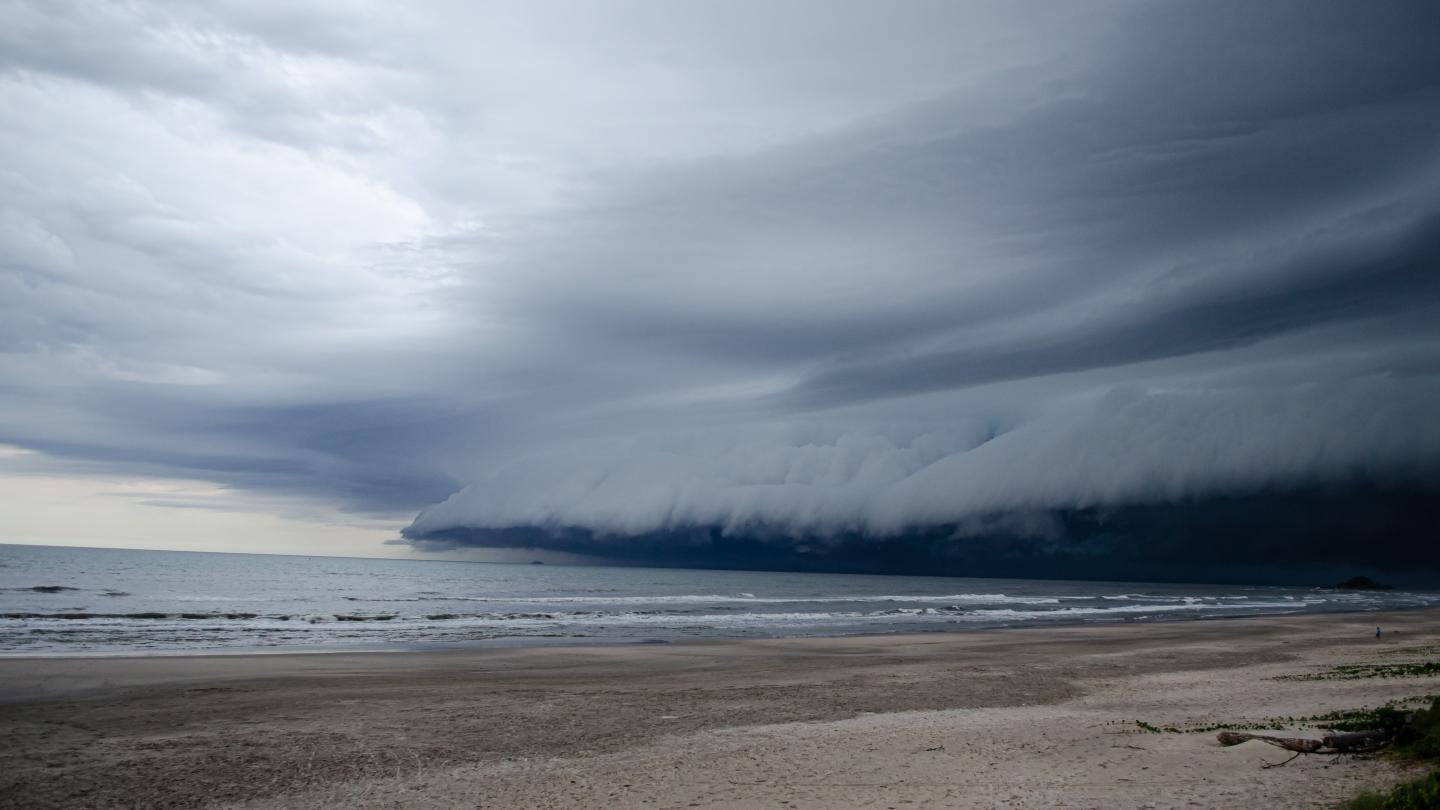
A clear way to compare coastal weather, sea travel and flexible itineraries without assuming that conditions are identical across Thailand.
Why this belongs on a Thailand itinerary
Many travellers make the mistake of searching for a single “best time” to visit Thailand. However, because the country features long coastlines facing different seas, weather patterns are highly localized. A clear way to compare coastal weather and plan sea travel is to build your itinerary around a specific region and include a fallback plan, rather than relying on a country-wide weather slogan.
Understanding regional weather patterns
Thailand’s geography means that rain, wind, and wave conditions vary significantly depending on whether you are on the Gulf or the Andaman coast. Because these conditions are local, an island-hopping plan must be built with regional awareness. What is considered a safe or pleasant season in one part of the country may not apply to another, making it vital to research the specific seasonal outlook for your intended destination.
Practical planning for sea travel
Ferry-dependent itineraries are inherently sensitive to weather. To manage this, keep the first and last night of your trip flexible. If you have an international flight to catch, ensure you leave a significant margin of time before your departure to account for potential delays. Always rely on official weather and transport notices rather than social-media rumours or outdated travel blogs. Remember: a sunny forecast on land is never a guarantee of safe marine conditions.
The importance of official guidance
This information is for planning purposes and does not constitute a marine or safety alert. Always follow official warnings, park closures, and the specific instructions provided by boat operators. Never treat a published itinerary as permission to travel if conditions are unsafe. Your safety depends on your willingness to heed the advice of those who monitor the seas daily.
Building a flexible framework
By accepting that weather is a variable rather than a constant, you can build a more resilient itinerary. If a particular island or route is affected by poor conditions, having a pre-planned alternative or a flexible schedule allows you to adjust without compromising your safety or the quality of your trip. This approach turns potential disruption into a manageable part of the travel experience.
Verification before travel
Operational details, access, weather, and local instructions can change. Always verify the current official information before travelling. For the most reliable seasonal outlooks, consult the Thai Meteorological Department.