Skip to content
BETA
Sign in Start

Menu

Account

Language

Thailand News

Understand what is happening in Thailand.

Daily verified news that matters in Thailand.

Filters

Topics
Clear all

1 866 stories

Health

Page 15 of 104

Sunday 25 October

  1. Health

    Actor James Supamongkol Takes Medical Leave Due to Exhaustion

    Thai actor James Supamongkol has suspended his work schedule from October 24–26, 2026, following medical advice to recover from dizziness and fainting.

    Khaosod Online Thailand One source

  2. Health

    Celebrity Chef Ajarn Ying-sak Admitted to ICU

    Renowned Thai chef and television personality Ajarn Ying-sak has been hospitalized in the intensive care unit following a sudden health decline.

    Khaosod Online Thailand One source

  3. Health

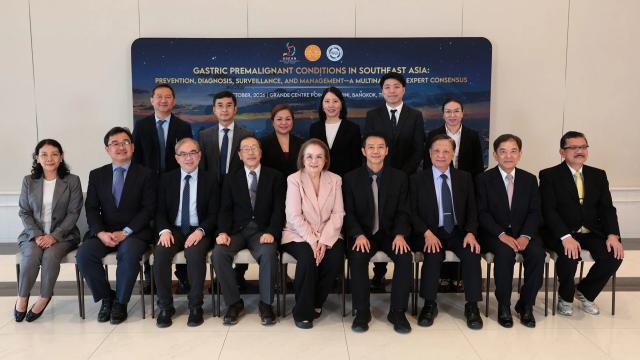
    Thammasat University Collaborates on New Gastric Cancer Prevention Guidelines

    Thammasat University has partnered with international experts to establish new consensus guidelines for the prevention and management of pre-gastric cancer conditions.
    Thai Post One source

  4. Health

    Health Experts Advise on Safe Daily Coffee Consumption

    Khaosod Online reports on the health implications of daily coffee intake, highlighting the benefits of moderate consumption and the risks of exceeding recommended limits.

    Khaosod Online Thailand One source

  5. Health

    Thammasat University Partners with ASMG to Address Pre-Gastric Cancer Conditions

    Thammasat University has collaborated with the Asian-Pacific Society for Digestive Endoscopy (ASMG) and international experts to establish new clinical guidelines for managing pre-gastric cancer conditions in Thailand and Southeast Asia.

    Prachachat Business One source

  6. Health

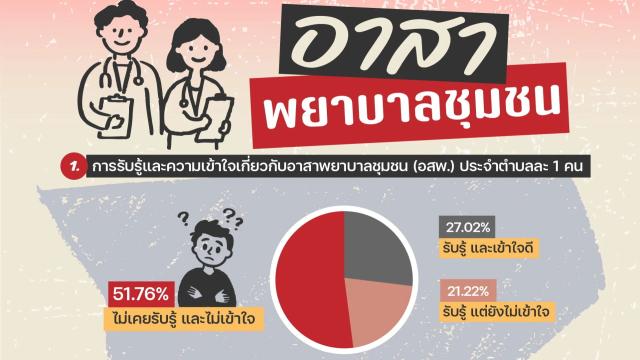
    NIDA Poll Reveals Public Concerns Over Community Nurse Volunteer Selection Criteria

    A recent survey by the National Institute of Development Administration (NIDA) highlights public apprehension regarding the selection process for community nurse volunteers.
    Thai Post One source

  7. Health

    Doctor Warns of Five Daily Habits Linked to Colon Cancer Risk

    Dr. Jessada Bunyawongviroj of Maharat Nakhon Ratchasima Hospital has identified five common daily habits that may increase the risk of developing colon cancer.

    Khaosod Online Thailand One source

  8. Health

    NIDA Poll Reveals Public Lack of Awareness Regarding Community Nurse Volunteers

    A recent survey indicates that over half of the Thai public is unfamiliar with the 'Community Nurse Volunteer' program, with many opposing the current selection process.

    Matichon Online One source

Saturday 24 October

  1. Health

    Neurologist Warns Against Ignoring Memory Lapses

    A Thai neurosurgeon has cautioned that difficulty recalling names of common objects may indicate underlying brain health issues, such as restricted blood flow.

    Khaosod Online Thailand One source

  2. Health

    Tragic Death of 15-Year-Old Student Highlights Bullying Concerns in Buriram

    A 15-year-old student in Buriram has died by suicide, with family reports citing persistent bullying regarding her appearance as a contributing factor.

    Khaosod Online Thailand One source

  3. Health

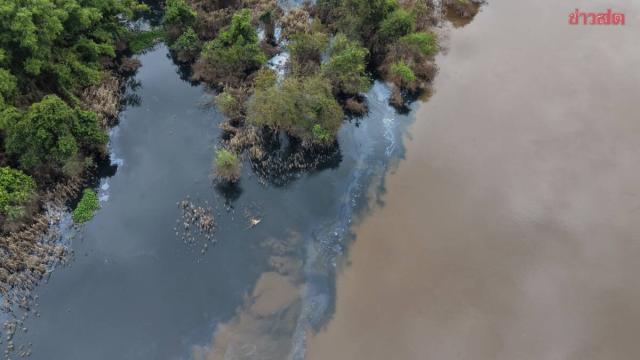
    Pollution Control Department Corrects Water Quality Data Following Prachin Buri Fish Die-off

    Thailand's Pollution Control Department has issued a correction regarding water quality analysis in Prachin Buri following a recent fish die-off, citing previous reporting errors.
    Khaosod Online Thailand One source

  4. Health

    Understanding Food Label Abbreviations: A Guide for Consumers in Thailand

    Khaosod Online provides a guide on interpreting common food label abbreviations like EXP and BBF to ensure consumer safety.

    Khaosod Online Thailand One source

  5. Health

    Pollution Alert: Heavy Metal Contamination Detected in Prachin Buri River

    Thailand's Pollution Control Department has reported high levels of heavy metals in the Prachin Buri River, raising concerns about environmental and health impacts.

    Matichon Online One source

  6. Health

    Debunking the 10,000-Step Daily Goal: Health Insights for Thailand

    Recent reports clarify that the popular 10,000-step daily walking goal lacks medical backing, with health experts suggesting lower targets are sufficient.

    Khaosod Online Thailand One source

  7. Health

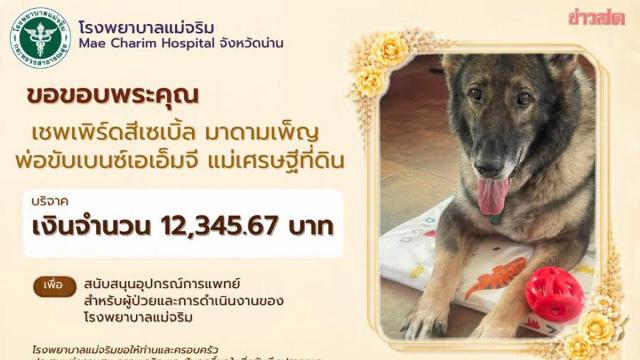
    Viral Pet-Themed Donation Campaign Supports Mae Charim Hospital

    A heartwarming social media campaign has led to a surge in donations for Mae Charim Hospital in Nan province, as pet owners donate in their pets' names.
    Khaosod Online Thailand One source

  8. Health

    Pollution Control Department Corrects Water Quality Data in Prachin Buri

    The Pollution Control Department has issued a correction regarding ammonia and aluminum levels in Prachin Buri's water following reports of fish deaths.
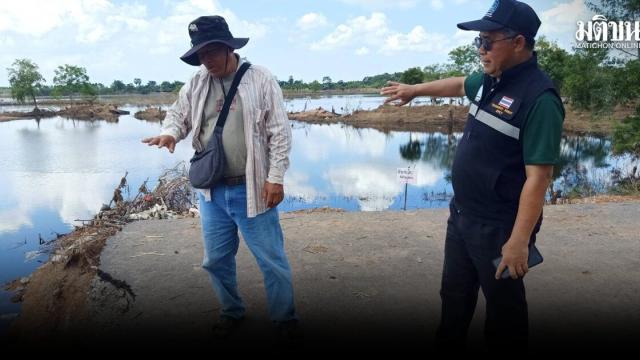
    Matichon Online One source

  9. Health

    Melioidosis Outbreak Reported in Lower Northeastern Thailand

    Health officials in lower northeastern Thailand have reported 570 cases and 45 deaths from melioidosis since the start of 2026, urging caution regarding soil and water contact.

    Khaosod Online Thailand + 1 source(s) Corroborated · 2 sources

  10. Health

    Health Warning: Gallstones Linked to High-Fat Diets in Thailand

    Khaosod Online reports on the risks of gallstone disease, highlighting how frequent consumption of fried and fatty foods can lead to digestive complications.

    Khaosod Online Thailand One source

How this feed works

Every update from an active source is classified, translated into all SawaLife languages and published with its original source, exact timestamp and reliability score. Items confirmed by two independent publisher groups are highlighted.

SawaLife is not a news organisation. We classify and translate source material using automated processing and editorial controls; the original publication remains the authoritative context.

Health

Actor James Supamongkol Takes Medical Leave Due to Exhaustion

Khaosod Online Thailand One source

Thai actor James Supamongkol has suspended his work schedule from October 24–26, 2026, following medical advice to recover from dizziness and fainting.

According to an official announcement from Mandee Work Co., Ltd., the agency representing Thai actor James Supamongkol, the artist has been placed on a temporary medical leave. The agency stated that James experienced symptoms of dizziness and fainting, which are preliminarily attributed to a lack of sufficient rest following a demanding work schedule associated with his recent project, 'Mr. Fanboy.'

In accordance with medical advice, James will be absent from all professional engagements from October 24 to October 26, 2026, to focus on recovery and health restoration. The agency emphasized that they prioritize the well-being of their artists, leading to the cancellation or rescheduling of his commitments during this three-day period.

For residents and fans in Thailand, this news highlights the intense nature of the local entertainment industry and the importance of health management for public figures. While the agency has provided a clear timeline for his recovery, it remains to be confirmed if his schedule will resume fully on October 27 or if further adjustments will be necessary depending on his progress. No further details regarding his specific medical condition or long-term health status have been disclosed at this time.

Original source

One source

This update currently comes from one active source. Follow the original link for context.

Translated from Thai.

SawaLife is not a news organisation. We classify and translate source material using automated processing and editorial controls; the original publication remains the authoritative context.

Processed and checked: 25 October 2026, 07:42 UTC

Health

Celebrity Chef Ajarn Ying-sak Admitted to ICU

Khaosod Online Thailand One source

Renowned Thai chef and television personality Ajarn Ying-sak has been hospitalized in the intensive care unit following a sudden health decline.

According to a report by Khaosod Online, 70-year-old celebrity chef and television host Ajarn Ying-sak Jonglertjesdawong was rushed to the hospital and admitted to the intensive care unit (ICU). The chef shared an update on his personal Instagram account, explaining that his condition deteriorated rapidly after initially experiencing minor symptoms, including body aches and a fever.

In his social media post, the chef reflected on the unpredictability of health in one's later years, noting that a seemingly minor ailment can escalate quickly. He informed his followers that he is currently under the close supervision of medical professionals and has been advised to rest and suspend his usual active lifestyle, which often includes visiting local markets to source ingredients. He humorously remarked that he must refrain from his usual energetic activities to focus on his recovery.

This event has drawn significant attention from fans and colleagues in the entertainment industry, who have flooded his social media with well-wishes for a speedy recovery. As of now, specific details regarding the exact medical diagnosis or the expected duration of his hospital stay have not been disclosed. For residents and visitors, this serves as a reminder of the importance of monitoring health closely, as even mild symptoms in older adults can require urgent medical intervention.

Original source

One source

This update currently comes from one active source. Follow the original link for context.

Translated from Thai.

SawaLife is not a news organisation. We classify and translate source material using automated processing and editorial controls; the original publication remains the authoritative context.

Processed and checked: 25 October 2026, 07:01 UTC

Health

Thammasat University Collaborates on New Gastric Cancer Prevention Guidelines

Thai Post One source

Thammasat University has partnered with international experts to establish new consensus guidelines for the prevention and management of pre-gastric cancer conditions.

New Medical Consensus in Thailand

Thammasat University, in collaboration with the Asian-Pacific Society for Digestive Endoscopy (ASMG) and a group of international medical experts, has officially adopted a new consensus regarding the prevention, diagnosis, and surveillance of pre-gastric cancer conditions. According to a report by Thai Post, this initiative aims to standardize how medical professionals assess patient risk and develop care plans tailored to the specific context of the region.

Why This Matters

For residents and long-term visitors in Thailand, this development represents a significant step toward improving long-term health outcomes. By establishing clearer protocols for early detection and monitoring, the medical community aims to reduce the incidence of gastric cancer and lower mortality rates. Patients with concerns regarding digestive health may find that local healthcare providers are increasingly adopting these standardized, evidence-based approaches to risk assessment.

What Remains to be Confirmed

While the consensus has been reached, the timeline for the full integration of these guidelines into daily clinical practice across all Thai hospitals remains to be seen. Furthermore, specific details regarding how these protocols will be implemented in public versus private healthcare settings have not yet been fully detailed. Patients are encouraged to consult with their primary care physicians to understand how these updated medical standards might influence their personal health screenings or ongoing care plans.

Original source

One source

This update currently comes from one active source. Follow the original link for context.

  • Thai Post
    Source reliability 68/100 · Moderate

Translated from Thai.

SawaLife is not a news organisation. We classify and translate source material using automated processing and editorial controls; the original publication remains the authoritative context.

Processed and checked: 25 October 2026, 06:41 UTC

Health

Health Experts Advise on Safe Daily Coffee Consumption

Khaosod Online Thailand One source

Khaosod Online reports on the health implications of daily coffee intake, highlighting the benefits of moderate consumption and the risks of exceeding recommended limits.

According to a recent report by Khaosod Online, coffee consumption offers both health benefits and potential risks depending on daily intake. While coffee is a staple for many, experts emphasize that moderation is key to avoiding adverse health effects.

Benefits of Moderate Intake

When consumed in appropriate amounts—ideally one to two cups of black coffee without sugar or non-dairy creamer—coffee can provide several advantages:

  • Enhanced Alertness: Caffeine effectively reduces drowsiness and improves focus throughout the day.
  • Metabolic Support: Consuming approximately 300 mg of caffeine daily may assist in burning an additional 79 calories.
  • Disease Prevention: Regular, moderate consumption has been linked to a lower risk of liver disease, liver cancer, and type 2 diabetes.

Risks of Overconsumption

Exceeding recommended caffeine limits can lead to significant health concerns. The report warns that excessive intake may increase the risk of high blood pressure and bone density issues, such as osteoporosis.

What This Means for You

For residents and travelers in Thailand, where coffee culture is prominent, these findings serve as a reminder to monitor caffeine intake. While black coffee is generally recommended for its health profile, individual tolerance varies. It remains to be confirmed how specific brewing methods or local additives might alter these general health outcomes. Always consult with a healthcare professional regarding personal dietary needs.

Original source

One source

This update currently comes from one active source. Follow the original link for context.

Translated from Thai.

SawaLife is not a news organisation. We classify and translate source material using automated processing and editorial controls; the original publication remains the authoritative context.

Processed and checked: 25 October 2026, 05:40 UTC

Health

Thammasat University Partners with ASMG to Address Pre-Gastric Cancer Conditions

Prachachat Business One source

Thammasat University has collaborated with the Asian-Pacific Society for Digestive Endoscopy (ASMG) and international experts to establish new clinical guidelines for managing pre-gastric cancer conditions in Thailand and Southeast Asia.

New Clinical Guidelines for Gastric Health

Thammasat University, in collaboration with the Asian-Pacific Society for Digestive Endoscopy (ASMG) and a panel of international medical experts, has officially adopted a consensus on the prevention, diagnosis, surveillance, and management of pre-gastric cancer conditions. According to a report by Prachachat Business, this initiative aims to provide standardized protocols for medical professionals across Thailand and the broader Southeast Asian region.

Why This Matters

For residents and long-term expatriates in Thailand, this development represents a significant step toward improving early detection and treatment outcomes for gastric health issues. By establishing a unified clinical consensus, the initiative seeks to enhance the quality of care provided by local healthcare facilities, potentially leading to more consistent diagnostic practices and better patient monitoring for those at risk of developing gastric cancer.

Current Status and Future Outlook

While the consensus has been formally adopted by the participating organizations, the practical implementation of these guidelines across various hospitals and clinics remains to be observed. Patients should consult with their primary care physicians or gastroenterologists to understand how these new protocols might influence their specific health screenings or ongoing care plans. Further details regarding the rollout of these guidelines to the general public health system are expected to follow as medical institutions begin to integrate these standards into their daily practice.

Original source

One source

This update currently comes from one active source. Follow the original link for context.

Translated from Thai.

SawaLife is not a news organisation. We classify and translate source material using automated processing and editorial controls; the original publication remains the authoritative context.

Processed and checked: 25 October 2026, 05:01 UTC

Health

NIDA Poll Reveals Public Concerns Over Community Nurse Volunteer Selection Criteria

Thai Post One source

A recent survey by the National Institute of Development Administration (NIDA) highlights public apprehension regarding the selection process for community nurse volunteers.

A survey conducted by the National Institute of Development Administration (NIDA), known as NIDA Poll, has brought to light public concerns regarding the criteria for selecting 'community nurse volunteers.' The poll, which gathered data between October 19 and 21, 2026, indicates that a significant portion of the population is uneasy about the current standards and requirements for these roles.

For residents and expatriates living in Thailand, this development is noteworthy as community nurse volunteers often play a vital role in local health outreach and primary care support. If the selection process is perceived as unclear or inadequate, it may impact the quality of grassroots healthcare services available in various neighborhoods.

While the poll identifies a clear sentiment of concern among the public, it does not provide specific details on which particular criteria are causing the most anxiety, nor does it outline any immediate changes to the recruitment policy. It remains to be confirmed how government health authorities will respond to these findings or if they intend to revise the selection guidelines to address the public's feedback. Those interested in community health services should monitor official announcements from the Ministry of Public Health for any updates regarding volunteer protocols.

Original source

One source

This update currently comes from one active source. Follow the original link for context.

  • Thai Post
    Source reliability 68/100 · Moderate

Translated from Thai.

SawaLife is not a news organisation. We classify and translate source material using automated processing and editorial controls; the original publication remains the authoritative context.

Processed and checked: 25 October 2026, 04:24 UTC

Health

Doctor Warns of Five Daily Habits Linked to Colon Cancer Risk

Khaosod Online Thailand One source

Key points

  • Dr.
  • Jessada Bunyawongviroj of Maharat Nakhon Ratchasima Hospital has identified five common daily habits that may increase the risk of developing colon cancer.

Dr. Jessada Bunyawongviroj, Deputy Director of Primary Care at Maharat Nakhon Ratchasima Hospital, has issued a public health warning regarding lifestyle choices that contribute to the development of colon cancer. According to the report published by Khaosod Online, many individuals mistakenly believe that colon cancer is solely determined by age or family history. However, Dr. Jessada emphasizes that chronic inflammation caused by daily habits can lead to cellular damage and, eventually, cancer.

The primary concern highlighted is the frequent consumption of processed meats and charred foods. Items such as sausages, ham, bacon, and heavily grilled meats contain substances like nitrites, nitrates, and heterocyclic amines (HCA/PAH). These compounds are known to cause inflammation and damage the lining of the colon when consumed regularly, as the organ struggles to repair itself under constant stress.

For residents and travelers in Thailand, this advice serves as a reminder to be mindful of dietary patterns, particularly regarding popular local grilled food culture. While these five habits are identified as significant risk factors, the doctor notes that individual health outcomes depend on a variety of factors. It remains to be confirmed how specific dietary adjustments might mitigate these risks for different demographics, and individuals are encouraged to consult with medical professionals for personalized health guidance rather than relying solely on general lifestyle warnings.

Original source

One source

This update currently comes from one active source. Follow the original link for context.

Translated from Thai.

SawaLife is not a news organisation. We classify and translate source material using automated processing and editorial controls; the original publication remains the authoritative context.

Processed and checked: 25 October 2026, 03:21 UTC

Health

NIDA Poll Reveals Public Lack of Awareness Regarding Community Nurse Volunteers

Matichon Online One source

A recent survey indicates that over half of the Thai public is unfamiliar with the 'Community Nurse Volunteer' program, with many opposing the current selection process.

According to a recent report by Matichon Online, a NIDA Poll has highlighted a significant gap in public awareness regarding the 'Community Nurse Volunteer' initiative. The survey results reveal that more than 50% of respondents stated they have never heard of or do not understand the role and function of these volunteers within their local health systems.

Furthermore, the poll addressed the recruitment process for these positions. Approximately 49% of those surveyed expressed opposition to the current method of selecting volunteers based solely on interviews, suggesting a preference for more rigorous or transparent criteria.

For residents and expatriates in Thailand, this poll underscores a potential disconnect between government health outreach programs and the general population. While these volunteers are intended to support local healthcare delivery, the lack of public recognition may impact the effectiveness of community-based health initiatives.

It remains to be confirmed how the relevant health authorities will respond to these findings. There is currently no official word on whether the Ministry of Public Health intends to adjust the selection criteria or launch a public awareness campaign to better inform citizens about the program's objectives and the role these volunteers play in the national health infrastructure.

Original source

One source

This update currently comes from one active source. Follow the original link for context.

Translated from Thai.

SawaLife is not a news organisation. We classify and translate source material using automated processing and editorial controls; the original publication remains the authoritative context.

Processed and checked: 25 October 2026, 00:45 UTC

Health

Neurologist Warns Against Ignoring Memory Lapses

Khaosod Online Thailand One source

A Thai neurosurgeon has cautioned that difficulty recalling names of common objects may indicate underlying brain health issues, such as restricted blood flow.

On October 24, 2026, Dr. Pracha, a neurosurgeon, issued a public warning via social media regarding the potential medical significance of memory lapses. He highlighted a case involving a patient who struggled to recall names of familiar items and people, despite being able to visualize them clearly. The patient also reported experiencing dizziness and confusion.

According to Dr. Pracha, the brain’s right side is responsible for visual memory, while the left side handles language processing and naming. Diagnostic imaging, including a contrast-enhanced scan, revealed that the patient’s left-side cerebral blood vessels were constricted, leading to reduced blood flow to the language-processing area. While the brain tissue itself appeared intact at the time of the scan, the doctor emphasized that ignoring such symptoms could lead to more severe complications, including potential brain tissue death.

For residents and travelers in Thailand, this serves as a reminder that persistent cognitive difficulties, such as the inability to name common objects, should not be dismissed as simple forgetfulness. It is important to note that this report is based on a specific clinical case shared by a medical professional. Individuals experiencing similar symptoms should consult a qualified healthcare provider for a professional evaluation, as this information is for educational purposes and does not constitute medical advice.

Original source

One source

This update currently comes from one active source. Follow the original link for context.

Translated from Thai.

SawaLife is not a news organisation. We classify and translate source material using automated processing and editorial controls; the original publication remains the authoritative context.

Processed and checked: 24 October 2026, 11:50 UTC

Health

Tragic Death of 15-Year-Old Student Highlights Bullying Concerns in Buriram

Khaosod Online Thailand One source

A 15-year-old student in Buriram has died by suicide, with family reports citing persistent bullying regarding her appearance as a contributing factor.

On October 24, 2026, local authorities in Satuek District, Buriram, responded to a report of a death at a private residence. Police Lieutenant Manit Siriwech of the Satuek Police Station confirmed that a 15-year-old girl, a ninth-grade student, was found deceased in her home. Preliminary examinations by medical personnel from Satuek Hospital indicated no signs of physical assault, estimating the time of death to be approximately three hours prior to the discovery.

According to statements provided by the victim's grandmother, the student had been subjected to frequent bullying by classmates regarding her physical appearance over the past two to three months. The family, consisting of the student, her father, and her younger brother, is currently mourning the loss.

For residents and expatriates in Thailand, this incident underscores the ongoing national conversation regarding mental health support and the impact of bullying within the educational system. While the family has identified peer harassment as a primary stressor, official investigations are ongoing to determine the full circumstances surrounding the tragedy. As this is an active case, further details regarding school intervention or potential legal actions have yet to be confirmed by local authorities.

Original source

One source

This update currently comes from one active source. Follow the original link for context.

Translated from Thai.

SawaLife is not a news organisation. We classify and translate source material using automated processing and editorial controls; the original publication remains the authoritative context.

Processed and checked: 24 October 2026, 09:51 UTC

Health

Pollution Control Department Corrects Water Quality Data Following Prachin Buri Fish Die-off

Khaosod Online Thailand One source

Thailand's Pollution Control Department has issued a correction regarding water quality analysis in Prachin Buri following a recent fish die-off, citing previous reporting errors.

The Pollution Control Department (PCD) under the Ministry of Natural Resources and Environment has officially corrected its previously released water quality data concerning a recent incident where fish died in the Ban Tham, Tha Tum, and Hat Nang Kaeo areas of Prachin Buri province. According to Khaosod Online, the department identified discrepancies in the initial reporting of ammonia and aluminum concentrations.

Following a review of samples collected on October 12 and 16 across nine locations, including tributaries and the main Prachin Buri River, the PCD released updated figures. The revised data indicates that dissolved oxygen (DO) levels in the river range from 2.5 to 7.5 milligrams per liter (mg/L), while ammonia levels are now recorded between 0.22 and 0.48 mg/L. Most heavy metal concentrations were found to be below detectable limits.

For residents and visitors in the area, this correction clarifies the environmental status of the river, though the exact cause of the fish mortality remains a subject of ongoing investigation. The PCD has announced plans to collect additional sediment samples to further analyze the riverbed conditions. While the water quality data has been updated, those living near or utilizing the river for recreational purposes should remain aware of official updates from local authorities as the investigation into the ecological impact continues.

Original source

One source

This update currently comes from one active source. Follow the original link for context.

Translated from Thai.

SawaLife is not a news organisation. We classify and translate source material using automated processing and editorial controls; the original publication remains the authoritative context.

Processed and checked: 24 October 2026, 09:13 UTC

Health

Understanding Food Label Abbreviations: A Guide for Consumers in Thailand

Khaosod Online Thailand One source

Khaosod Online provides a guide on interpreting common food label abbreviations like EXP and BBF to ensure consumer safety.

A recent report from Khaosod Online highlights the importance of understanding various abbreviations found on food, medicine, and cosmetic labels in Thailand. As consumers frequently check expiration dates for safety, the report clarifies that terms such as EXP, MFG, and BBF carry distinct meanings that impact product usage.

According to the report, 'EXP' (Expiration Date) indicates the date after which a product should no longer be consumed due to potential microbiological changes or quality degradation. The article warns that even frozen items are not necessarily safe if consumed past this date. Conversely, 'BB' or 'BBE' (Best Before) refers to quality rather than safety, though the report emphasizes that proper storage is critical, as improper conditions can cause products to spoil before the stated date.

For residents and travelers in Thailand, distinguishing between these labels is essential for maintaining health and avoiding food-borne risks. While the guide clarifies standard industry terminology, it does not address specific regulatory enforcement or individual product variations. Consumers are encouraged to inspect labels carefully before purchase and to be mindful of storage conditions, as the integrity of a product can be compromised regardless of the printed date if it has been handled or stored incorrectly.

Original source

One source

This update currently comes from one active source. Follow the original link for context.

Translated from Thai.

SawaLife is not a news organisation. We classify and translate source material using automated processing and editorial controls; the original publication remains the authoritative context.

Processed and checked: 24 October 2026, 09:14 UTC

Health

Pollution Alert: Heavy Metal Contamination Detected in Prachin Buri River

Matichon Online One source

Thailand's Pollution Control Department has reported high levels of heavy metals in the Prachin Buri River, raising concerns about environmental and health impacts.

According to a report from Matichon Online, the Pollution Control Department (PCD) has identified significantly elevated levels of heavy metals in the Prachin Buri River. The findings indicate that these contaminants are causing damage to the gills of fish populations in the area. Furthermore, the PCD highlighted that these substances are accumulating in the soil and being absorbed by local vegetation, posing a potential long-term environmental risk.

For residents and visitors, this development is significant as it suggests potential risks associated with the local ecosystem and food chain. The presence of heavy metals in the water and soil can have implications for agricultural safety and the quality of local aquatic life.

At this stage, the full extent of the contamination and the specific sources of the heavy metals remain under investigation. Authorities have not yet issued specific restrictions on water usage or consumption, but the findings underscore a serious environmental concern. Residents and those living near the river are advised to monitor official updates from the Pollution Control Department regarding water safety and any potential health advisories that may follow as more data becomes available.

Original source

One source

This update currently comes from one active source. Follow the original link for context.

Translated from Thai.

SawaLife is not a news organisation. We classify and translate source material using automated processing and editorial controls; the original publication remains the authoritative context.

Processed and checked: 24 October 2026, 07:51 UTC

Health

Debunking the 10,000-Step Daily Goal: Health Insights for Thailand

Khaosod Online Thailand One source

Recent reports clarify that the popular 10,000-step daily walking goal lacks medical backing, with health experts suggesting lower targets are sufficient.

A recent report from Khaosod Online has addressed the widespread belief that walking 10,000 steps per day is a medical necessity. According to the publication, this specific figure originated in 1960s Japan as a marketing strategy rather than a clinical recommendation.

For residents and travelers in Thailand, this information is significant as it shifts the focus from rigid targets to sustainable activity. The World Health Organization (WHO) indicates that walking between 5,000 and 7,000 steps daily is sufficient to achieve meaningful health benefits.

Regular walking remains a highly recommended form of exercise, offering several advantages:

  • Cardiovascular health: It improves heart function and blood circulation.
  • Blood sugar management: Physical activity helps the body utilize glucose effectively.
  • Mental well-being: Walking, particularly in green spaces, can reduce stress and improve mood.
  • Weight control: It increases energy expenditure, supporting weight management efforts.

It is important to note that individuals should not feel discouraged if they do not reach the 10,000-step mark. While the benefits of walking are well-documented, the specific '10,000' figure is not a mandatory requirement for maintaining a healthy lifestyle. As with any health-related change, individuals should listen to their bodies and consult with professionals if they have specific concerns regarding their physical activity levels.

Original source

One source

This update currently comes from one active source. Follow the original link for context.

Translated from Thai.

SawaLife is not a news organisation. We classify and translate source material using automated processing and editorial controls; the original publication remains the authoritative context.

Processed and checked: 24 October 2026, 08:05 UTC

Health

Viral Pet-Themed Donation Campaign Supports Mae Charim Hospital

Khaosod Online Thailand One source

A heartwarming social media campaign has led to a surge in donations for Mae Charim Hospital in Nan province, as pet owners donate in their pets' names.

A creative fundraising initiative by Mae Charim Hospital in Nan province has gone viral, resulting in a significant influx of donations for medical equipment. The campaign began when the hospital started issuing personalized thank-you certificates featuring the names and photos of pets—ranging from dogs and cats to birds and beetles—submitted by donors.

This unique approach turned the hospital’s donation page into a community space for pet owners to showcase their animals while contributing to a good cause. The hospital confirmed that donations have far exceeded initial expectations, providing vital support for patient care in this small, mountainous community.

For residents and visitors, this highlights the hospital's ongoing need for medical resources. However, the overwhelming response has created a logistical challenge for the small staff. The hospital has issued a public notice explaining that the issuance of tax-deductible donation receipts may be delayed. Because the facility lacks a dedicated administrative team, medical staff and nurses are processing these documents during their breaks and after their shifts. While the hospital continues to accept contributions, they have asked for patience regarding the administrative paperwork. It remains to be confirmed how long the current surge in donations will sustain the hospital's equipment needs and when the administrative backlog will be fully cleared.

Original source

One source

This update currently comes from one active source. Follow the original link for context.

Translated from Thai.

SawaLife is not a news organisation. We classify and translate source material using automated processing and editorial controls; the original publication remains the authoritative context.

Processed and checked: 24 October 2026, 08:05 UTC

Health

Pollution Control Department Corrects Water Quality Data in Prachin Buri

Matichon Online One source

The Pollution Control Department has issued a correction regarding ammonia and aluminum levels in Prachin Buri's water following reports of fish deaths.

The Pollution Control Department (PCD) of Thailand has officially corrected its recent data concerning water quality in Prachin Buri province. The update follows public concern regarding reports of mass fish deaths in the area. According to Matichon Online, the department acknowledged that previous readings for ammonia and aluminum levels were inaccurate.

To address the discrepancy, the PCD has announced a new round of water testing. This effort will specifically focus on areas in close proximity to industrial factories and agricultural zones, which are suspected of contributing to the water contamination.

For residents and travelers in the region, this development highlights the importance of monitoring local water safety advisories. While the authorities work to verify the actual levels of pollutants, it is advisable to avoid direct contact with water in affected areas where fish mortality has been observed.

At this stage, the exact cause of the fish deaths remains under investigation. The public is awaiting the results of the new, more targeted testing to determine if the water quality poses a significant health risk. Authorities have not yet confirmed whether the contamination is linked to specific industrial discharge or other environmental factors. Residents are encouraged to follow official updates from the PCD for further guidance.

Original source

One source

This update currently comes from one active source. Follow the original link for context.

Translated from Thai.

SawaLife is not a news organisation. We classify and translate source material using automated processing and editorial controls; the original publication remains the authoritative context.

Processed and checked: 24 October 2026, 06:51 UTC

Health

Melioidosis Outbreak Reported in Lower Northeastern Thailand

Khaosod Online Thailand + 1 source(s) Corroborated · 2 sources

Health officials in lower northeastern Thailand have reported 570 cases and 45 deaths from melioidosis since the start of 2026, urging caution regarding soil and water contact.

According to a report from Khaosod Online, the Office of Disease Prevention and Control (ODPC) 9 has issued a health warning following a significant rise in melioidosis cases, commonly known as 'soil disease.' Data collected between January 1 and October 22, 2026, indicates that 570 individuals have been infected across four provinces in the lower northeastern region: Nakhon Ratchasima, Chaiyaphum, Buriram, and Surin. Tragically, 45 of these patients have died.

Dr. Sailak Pimkoh, Director of ODPC 9, highlighted that the infection is primarily linked to prolonged direct contact with moist soil and water. This poses a particular risk to agricultural workers and residents who frequently engage with these elements without adequate protection. The bacteria responsible for the disease can cause severe illness, which, if left untreated or diagnosed late, can be fatal.

For residents and travelers in these areas, health authorities advise minimizing direct skin contact with mud or stagnant water, especially during the rainy season. Those who must work in these environments are encouraged to wear protective gear, such as rubber boots and gloves. While the current figures provide a clear picture of the outbreak's impact, the long-term trajectory of the infection rate remains to be confirmed as the region continues to monitor the situation closely.

Original source

Corroborated · 2 sources

This subject was reported by at least two independent publisher groups.

Translated from Thai.

SawaLife is not a news organisation. We classify and translate source material using automated processing and editorial controls; the original publication remains the authoritative context.

Processed and checked: 22 October 2026, 09:12 UTC

Health

Health Warning: Gallstones Linked to High-Fat Diets in Thailand

Khaosod Online Thailand One source

Khaosod Online reports on the risks of gallstone disease, highlighting how frequent consumption of fried and fatty foods can lead to digestive complications.

According to a recent report by Khaosod Online, health experts are cautioning the public about the rising risks of gallstone disease associated with dietary habits. The report emphasizes that individuals who frequently consume fried foods—such as fried chicken, meatballs, or french fries—may be inadvertently increasing their risk of developing gallstones.

Gallstones occur when cholesterol or other substances in bile solidify into hard masses within the gallbladder. This organ is responsible for storing bile produced by the liver to aid in fat digestion. When these stones cause an obstruction, it impairs the body's ability to digest fats properly, leading to symptoms such as persistent bloating, indigestion, and severe abdominal pain, particularly after consuming high-fat meals.

For residents and travelers in Thailand, where fried street food is ubiquitous, the report serves as a reminder to monitor digestive health. Common warning signs include frequent bloating and sharp, stabbing pain in the upper abdomen or under the right rib cage after eating. While these symptoms are often linked to dietary choices, they may indicate a need for medical evaluation. It remains to be confirmed whether specific local dietary patterns are directly causing a statistical spike in cases, but health authorities suggest that maintaining a balanced diet is essential to preventing these painful complications.

Original source

One source

This update currently comes from one active source. Follow the original link for context.

Translated from Thai.

SawaLife is not a news organisation. We classify and translate source material using automated processing and editorial controls; the original publication remains the authoritative context.

Processed and checked: 24 October 2026, 06:52 UTC