
Travel
Thailand through its places: how to read history without reducing it to a photo stop
Ultima revisione: 2026-07-16
Scritto da Ricardo Dos Santos
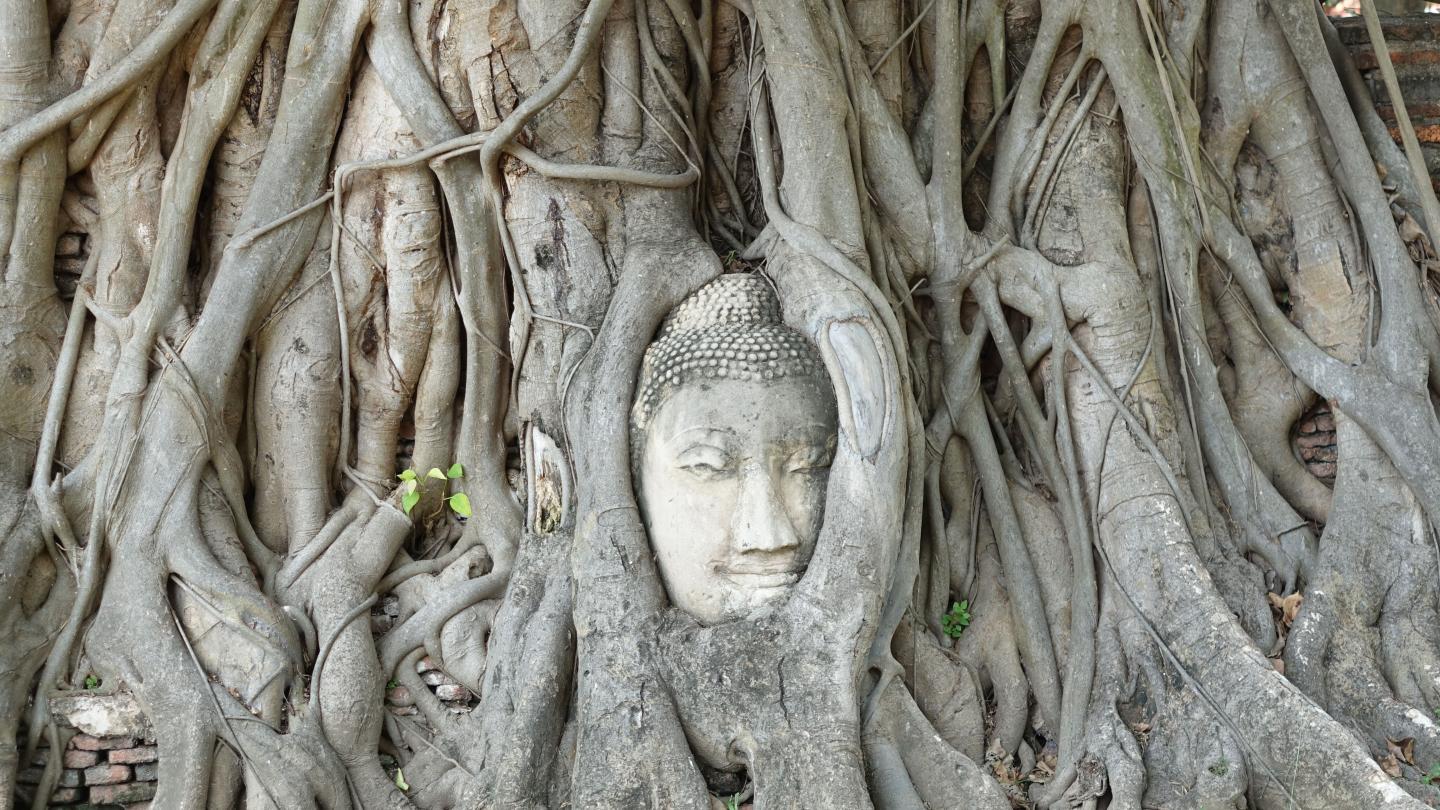
A visitor-friendly approach to temples, old towns, archaeological sites and royal landscapes across Thailand.
Why this belongs on a Thailand itinerary
Thailand’s cultural sites offer a profound look into the nation's past, provided visitors approach them with depth. Moving beyond the surface-level "photo stop" allows for a more meaningful engagement with the country's diverse historical layers. By shifting the focus from capturing an image to understanding the site's narrative, travelers can better appreciate the complexity of the Thai landscape.
Context and history
Thailand’s cultural landscape is not defined by a single period or style. Bangkok serves as a window into the Rattanakosin era, while northern cities preserve the traditions of the Lanna kingdom. Phuket’s old town offers insight into a maritime trading history, and sites like Ban Chiang provide a much deeper archaeological horizon. Understanding these distinctions is key to appreciating the breadth of Thai history, as each location reflects a different facet of the nation's evolution.
How to experience it well
To truly read a site, look for the relationship between the architecture and its setting. Consider how the location—whether it be a river, mountain, old trade street, palace ground, or settlement landscape—shaped the site's purpose. Utilize museum interpretation and official site notices to distinguish between documented historical facts and local storytelling. This analytical approach helps in separating the physical reality of the site from modern interpretations.
Respecting the past
Archaeological remains and active religious sites are not mere props for photography. Respecting these spaces means adhering to all barriers, conservation work, and photography rules. Do not climb on structures, touch fragile surfaces, or treat restricted areas as optional. Your conduct directly impacts the preservation of these sites for future visitors, ensuring that the physical integrity of these historical markers remains intact.
A framework for engagement
When visiting, prioritize the context of the site over the speed of your itinerary. By taking the time to understand the significance of the murals, the layout of the courtyards, and the history of the settlement, you transform a simple visit into an educational experience. Treat every site as a living piece of history that requires care and attention, rather than a static backdrop for travel documentation.
Verification before travel
Operational details, access, weather, conservation rules, ceremonies, and local instructions can change. Verify the current official information before travelling. For further information on significant sites, consult the UNESCO World Heritage Centre — Ban Chiang Archaeological Site.